Get your free personalized podcast brief
We scan new podcasts and send you the top 5 insights daily.
Modern society turns normal behaviors like eating or gaming into potent drugs by manipulating four factors: making them infinitely available (quantity/access), more intense (potency), and constantly new (novelty). This framework explains how behavioral addictions are engineered, hijacking the brain’s reward pathways just like chemical substances.
Related Insights
To encourage better choices, emphasize immediate, tangible rewards over long-term, abstract goals. A Stanford study found diners chose more vegetables when labeled with delicious descriptions ("sizzling Szechuan green beans") versus health-focused ones ("nutritious green beans"). This works with the brain's value system, which prioritizes immediate gratification.

Making high-stakes products (finance, health) easy and engaging risks encouraging overuse or uninformed decisions. The solution isn't restricting access but embedding education into the user journey to empower informed choices without being paternalistic.

Boys addicted to devices are being rewired for constant action-reaction dopamine hits. In a low-stimulus environment like a classroom, they may subconsciously create conflict or act out simply to generate a reaction, fulfilling their brain's conditioned need for immediate feedback, making them incredibly difficult to manage.
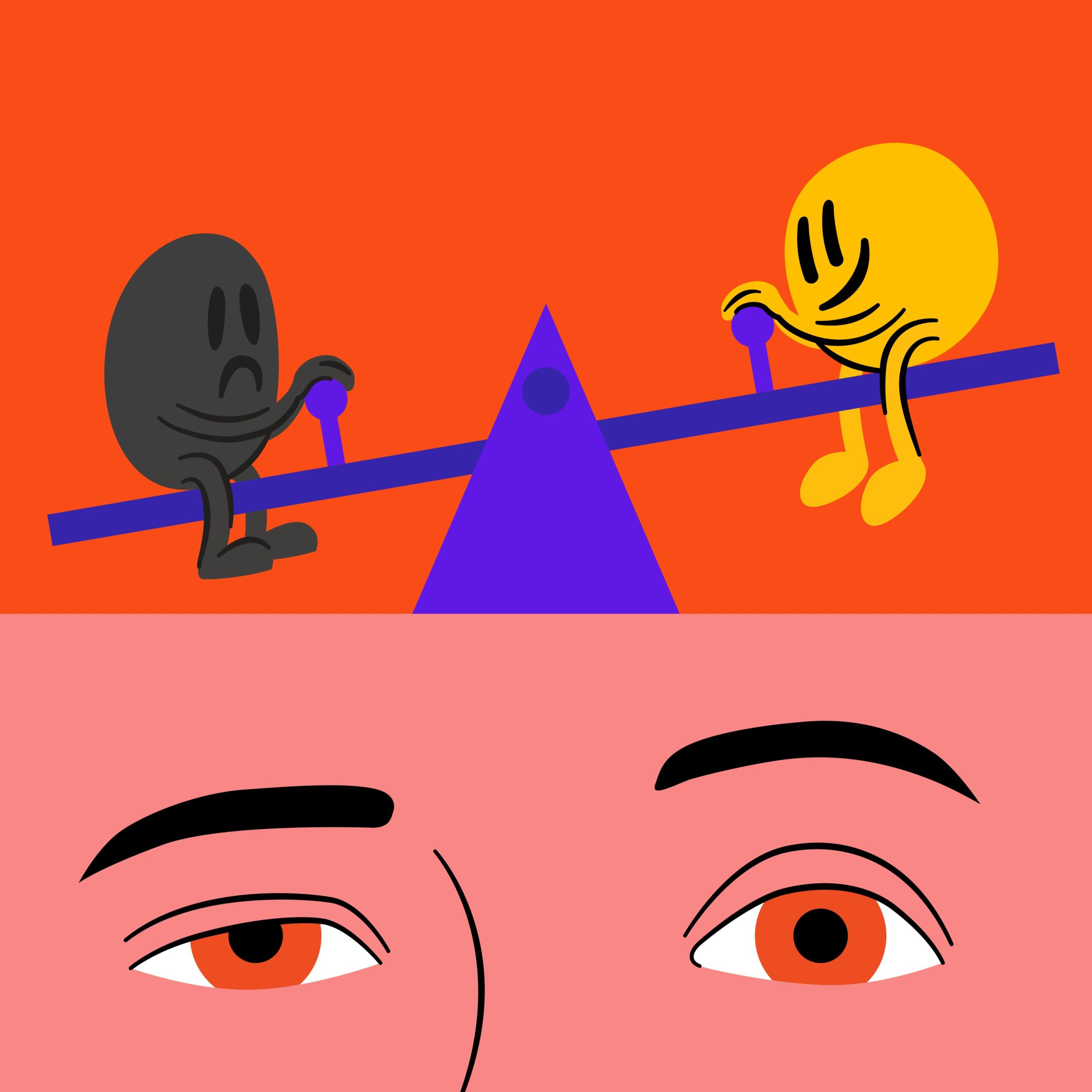
Neuroscience shows pleasure and pain are co-located in the brain and work like a seesaw. When we experience pleasure, the brain immediately compensates by tilting towards pain to restore balance. This neurological 'come down' is why constant pleasure-seeking eventually leads to a state of chronic pain and craving.
Dopamine is often misunderstood as a 'pleasure molecule.' Its more crucial role is in motivation—the drive to seek a reward. Experiments show rats without dopamine receptors enjoy food but won't move to get it, starving to death. This seeking behavior is often triggered by the brain's craving to escape a dopamine deficit state.
Psychiatrist Anna Lemke links rising rates of depression and anxiety in the world's richest nations to the overstimulation of our dopamine pathways. Constant access to high-pleasure foods, entertainment, and products creates a chronic dopamine deficit state, leaving people unhappier, more irritable, and unable to enjoy simple pleasures.
Addiction isn't defined by the pursuit of pleasure. It's the point at which a behavior, which may have started for rational reasons, hijacks the brain’s reward pathway and becomes compulsive. The defining characteristic is the inability to stop even when the behavior no longer provides pleasure and begins causing negative consequences.
Psychiatrist Anna Lemke details her own obsession with romance novels, which began innocently but escalated to needing more graphic content, hiding her reading, and losing interest in family and work. Her story shows how any highly reinforcing behavior, not just illicit drugs, can become a true addiction.
The business model of prediction markets and online gambling disproportionately exploits the neurobiology of young men. These platforms are designed to tap into a less-developed prefrontal cortex, which governs risk assessment and impulse control. This is the core monetization strategy, turning a developmental vulnerability into a massive market opportunity.

Constantly bombarding our reward pathways causes the brain to permanently weigh down the 'pain' side of its pleasure-pain balance. This alters our baseline mood, or 'hedonic set point,' meaning we eventually need our substance or behavior not to get high, but simply to escape a state of withdrawal and feel normal.