Get your free personalized podcast brief
We scan new podcasts and send you the top 5 insights daily.
Therapists now compare compulsive online shopping to gambling, where the addiction is to the action of purchasing, not the items. Symptoms include hiding parcels, not knowing what you've ordered, or immediately discarding items upon arrival because the product itself was never the goal, only the thrill of the transaction.

Related Insights
Technology exposes us to limitless possibilities—from parenting styles to body modifications. This creates a pervasive insecurity and a 'rabid delusion of endless craving.' The constant awareness of what others are doing or have drives a pathological need to keep up, leading to profound consumerism and dissatisfaction.

Modern society turns normal behaviors like eating or gaming into potent drugs by manipulating four factors: making them infinitely available (quantity/access), more intense (potency), and constantly new (novelty). This framework explains how behavioral addictions are engineered, hijacking the brain’s reward pathways just like chemical substances.
Neuroscience research using fMRI shows that the brain makes a choice—like pressing a button—up to six seconds before the person is consciously aware of it. This highlights how profoundly hardwired our shopping behaviors are, often operating on an evolutionary autopilot completely outside our conscious control.

The antidote to the destructive, isolating risk of online gambling is not risk aversion, but the redirection of that appetite toward constructive, real-world challenges. This involves encouraging social risks like approaching strangers, asking someone out, and investing in relationships—actions that build character and connection rather than draining finances.

The primary driver for returns is no longer defective items. Instead, factors like inflation and impulsive 'buy now, pay later' habits are increasing 'regret-driven' returns due to uncertainty and expectation mismatch. This psychological shift means the return experience must now solve for customer anxiety, not just logistical or product issues.
People who grew up poor often display wealth extravagantly to "scratch an emotional itch" from their past. This behavior is less about the item itself and more about signaling that they have overcome past struggles. This makes spending a deeply personal and psychological act, not merely a financial one.
Addiction isn't defined by the pursuit of pleasure. It's the point at which a behavior, which may have started for rational reasons, hijacks the brain’s reward pathway and becomes compulsive. The defining characteristic is the inability to stop even when the behavior no longer provides pleasure and begins causing negative consequences.
A guest with a decades-long gambling problem consistently rejects the 'addict' label. He instead refers to his compulsion as his 'action' or 'entertainment.' This psychological reframing allows him to perceive the destructive habit as a chosen lifestyle rather than a sickness he can't control.

The addictiveness of live-stream shopping stems not just from convenience but from "atmospheric cues" that trigger dopamine hits. Features like a charismatic host and interactive live chats transform retail into entertainment, making the experience itself, rather than the product, the addictive element that users chase.
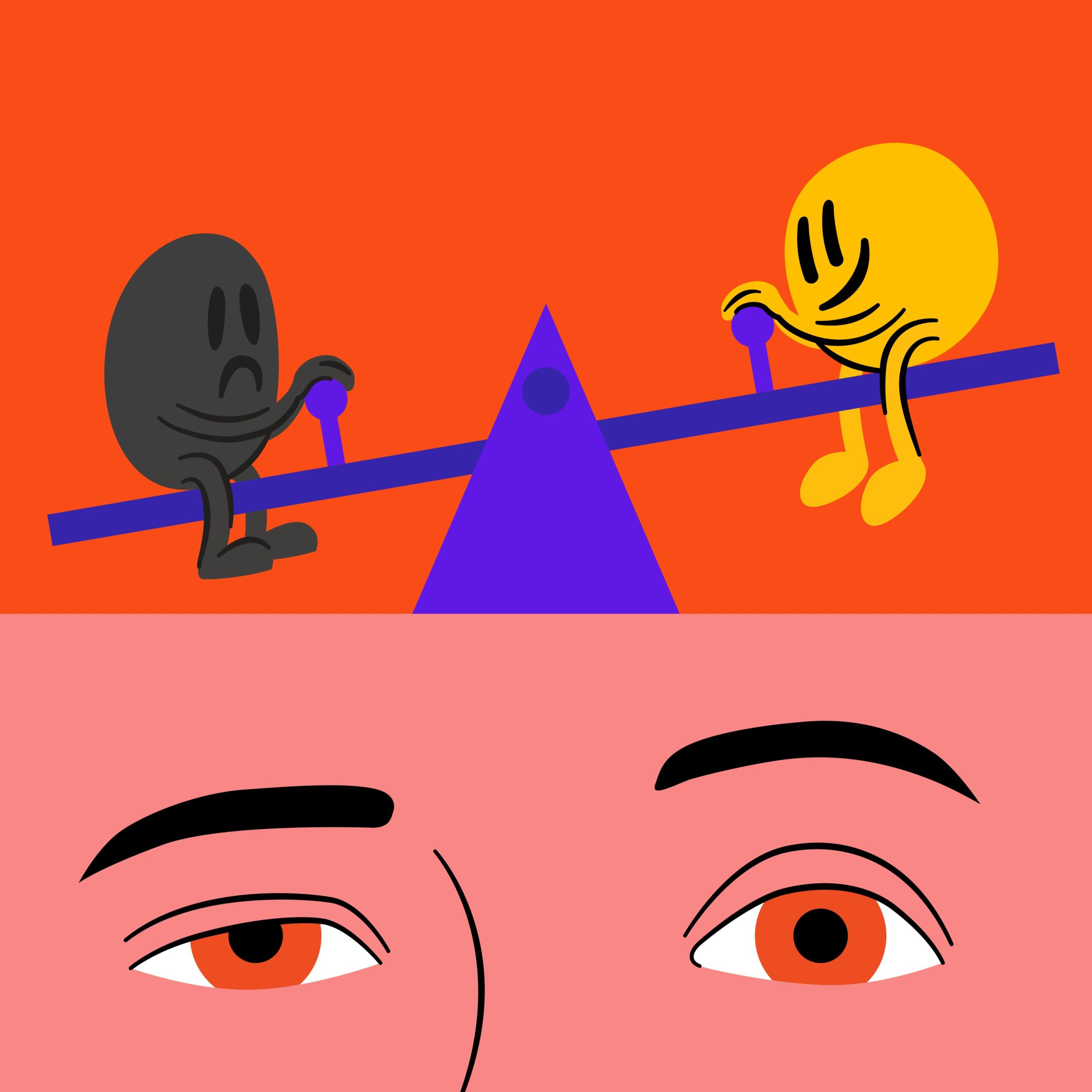
Constantly bombarding our reward pathways causes the brain to permanently weigh down the 'pain' side of its pleasure-pain balance. This alters our baseline mood, or 'hedonic set point,' meaning we eventually need our substance or behavior not to get high, but simply to escape a state of withdrawal and feel normal.