Get your free personalized podcast brief
We scan new podcasts and send you the top 5 insights daily.
Emotional spending follows a destructive pattern: an impulsive purchase provides a dopamine hit, followed by guilt. To cope with the guilt, the person seeks another dopamine hit through more spending (e.g., ordering expensive food), creating a self-perpetuating cycle of debt and negative emotions.

Related Insights
When blood glucose drops, the brain's prefrontal cortex—responsible for willpower—dims its activity to save energy. This 'energy crisis' makes it nearly impossible to resist dopamine hits from activities like social media, creating a cycle of compulsive behavior.

Shopping decisions are often a battle between brain systems. The primal limbic system, governing emotion, reacts instantly to sensory cues like a sugary display. This happens long before the rational cerebral cortex can process thoughts like 'budget' or 'health,' explaining why willpower often fails against our own biology in the aisles.

People stuck earning just enough to pay bills use expensive "reprieve purchases" to escape their misery. This short-term gratification provides just enough emotional relief to get back on the hamster wheel, preventing the long-term sacrifice needed for real financial progress.

Therapists now compare compulsive online shopping to gambling, where the addiction is to the action of purchasing, not the items. Symptoms include hiding parcels, not knowing what you've ordered, or immediately discarding items upon arrival because the product itself was never the goal, only the thrill of the transaction.
People who grew up poor often display wealth extravagantly to "scratch an emotional itch" from their past. This behavior is less about the item itself and more about signaling that they have overcome past struggles. This makes spending a deeply personal and psychological act, not merely a financial one.
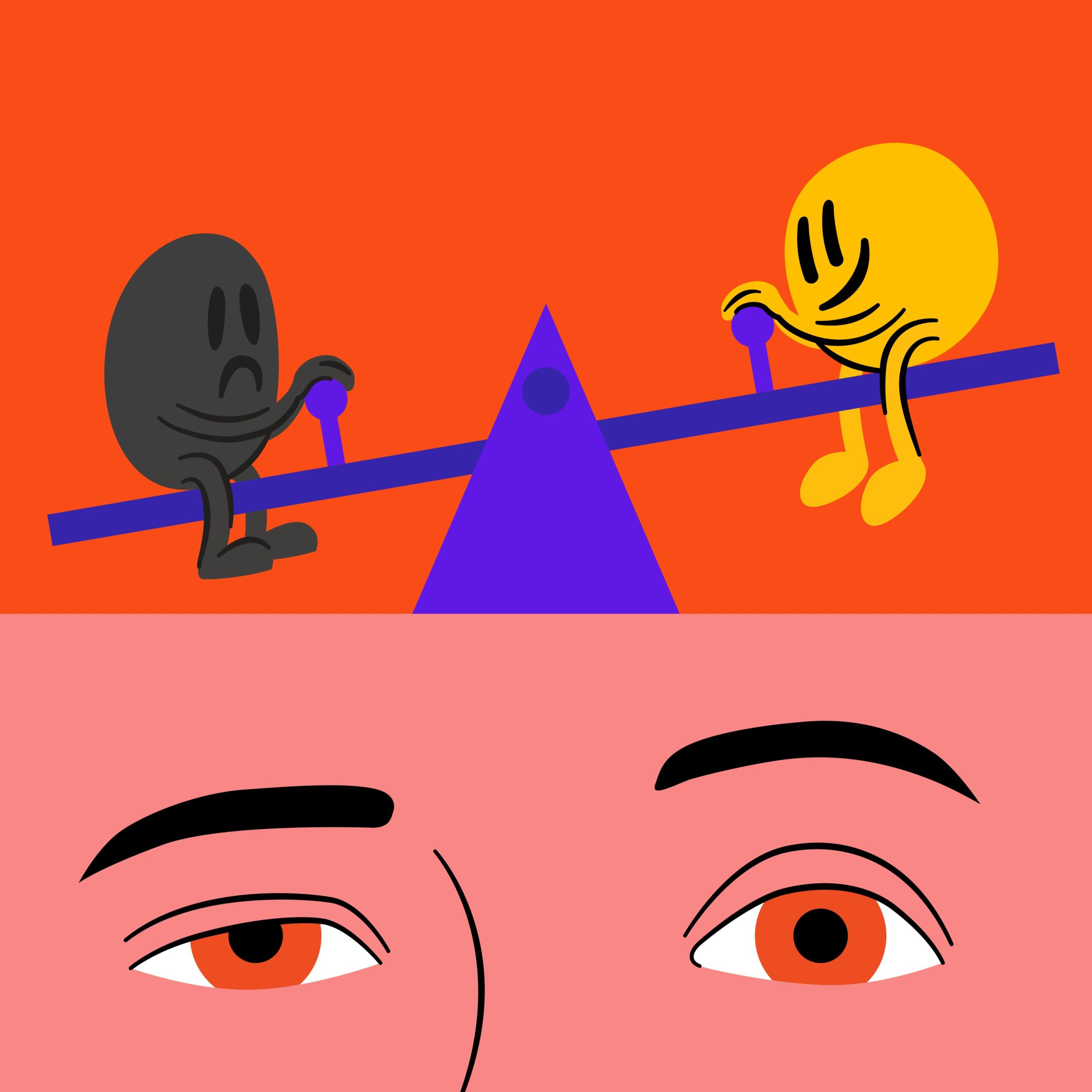
Constantly bombarding our reward pathways causes the brain to permanently weigh down the 'pain' side of its pleasure-pain balance. This alters our baseline mood, or 'hedonic set point,' meaning we eventually need our substance or behavior not to get high, but simply to escape a state of withdrawal and feel normal.
Our constant access to luxury goods, leisure time, and reinforcing substances is a new type of stress. Our brains, which evolved for a world of scarcity, are not equipped to handle this overabundance, leading to compulsive overconsumption and addiction.

When people feel major goals like homeownership are out of reach, they engage in "dopamine spending" on small items like coffee or lipstick. These provide a temporary emotional lift but don't lead to long-term happiness, derailing financial progress.

The brain maintains a pain-pleasure balance. Constantly triggering pleasure (dopamine) causes the brain to overcompensate by activating pain pathways, leading to a chronic dopamine-deficient state that manifests as anxiety, irritability, and depression.

Neurologically, anger and frustration activate a powerful dopamine circuit. Unlike pleasure from food or sex, this circuit never satiates. The arousal itself is the reward, creating a potentially endless and depleting loop that social media algorithms often exploit for engagement.
