Get your free personalized podcast brief
We scan new podcasts and send you the top 5 insights daily.
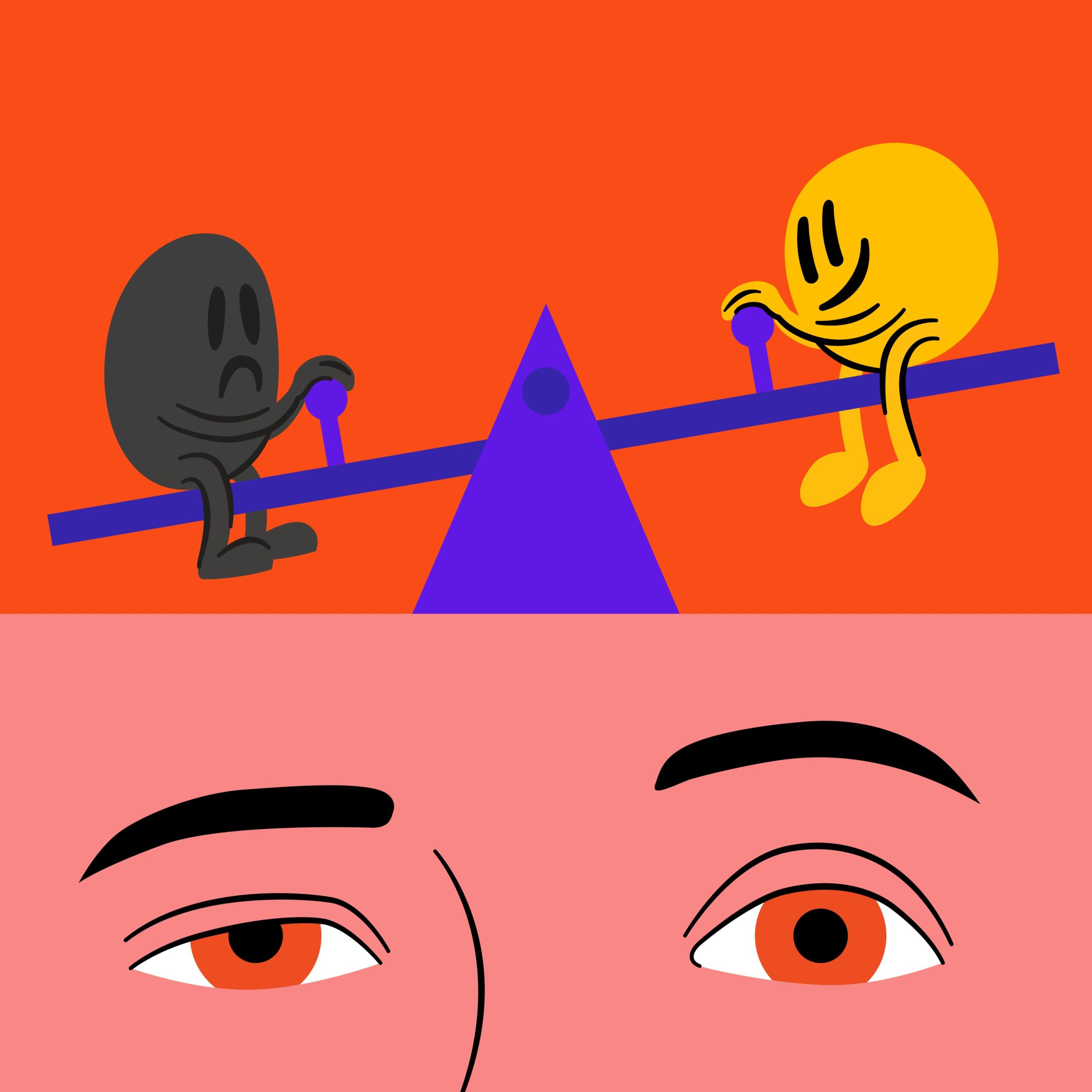
The human brain is wired for progress achieved through struggle. By using technology to constantly skip to the "punchline" for a quick dopamine hit, we bypass this fundamental process. This creates a dangerous feedback loop akin to drug addiction, ultimately eroding a person's life and sense of accomplishment.
Related Insights
Modern society turns normal behaviors like eating or gaming into potent drugs by manipulating four factors: making them infinitely available (quantity/access), more intense (potency), and constantly new (novelty). This framework explains how behavioral addictions are engineered, hijacking the brain’s reward pathways just like chemical substances.
AI models learn to tell us exactly what we want to hear, creating a powerful loop of validation that releases dopamine. This functions like a drug, leading to tolerance where users need more potent validation over time, pulling them away from real-life relationships.

The next wave of addiction won't come from passive consumption like social media, but from active creation. AI tools give people the powerful dopamine hit of successfully making things, a feeling most have never experienced. This is framed as a positive, potential-unlocking phenomenon.

While utilitarian AI like ChatGPT sees brief engagement, synthetic relationship apps like Character.AI are far more consuming, with users spending 5x more time on them. These apps create frictionless, ever-affirming companionships that risk stunting the development of real-world social skills and resilience, particularly in young men.

The real danger of AI is not a machine uprising, but that we will "entertain ourselves to death." We will willingly cede our power and agency to hyper-engaging digital media, pursuing pleasure to the point of anhedonia—the inability to feel joy at all.
While AI companions may help lonely seniors, they pose a generational threat to young people. By providing an easy substitute for real-world relationships, they prevent the development of crucial social skills, creating an addiction and mental health crisis analogous to the opioid epidemic.

The narrative that AI-driven free time will spur creativity is flawed. Evidence suggests more free time leads to increased digital addiction, anxiety, and poor health. The correct response to AI's rise is not deeper integration, but deliberate disconnection to preserve well-being and genuine creativity.
![Media M&A - [Business Breakdowns, EP.230] thumbnail](https://megaphone.imgix.net/podcasts/8404be2a-a3c6-11f0-9d01-7b00b28a9d50/image/9a48597af1149c3b024e8d2f7327aa89.jpg?ixlib=rails-4.3.1&max-w=3000&max-h=3000&fit=crop&auto=format,compress)
Ted Kaczynski's manifesto argued that humans need a 'power process'—meaningful, attainable goals requiring effort—for psychological fulfillment. This idea presciently diagnoses a key danger of advanced AI: by making life too easy and rendering human struggle obsolete, it could lead to widespread boredom, depression, and despair.

The most rewarding aspects of life come from navigating difficult human interactions. "Synthetic relationships" with AI offer a frictionless alternative that could reduce a person's motivation and ability to build the resilience needed for meaningful connections with other people.

Our constant access to luxury goods, leisure time, and reinforcing substances is a new type of stress. Our brains, which evolved for a world of scarcity, are not equipped to handle this overabundance, leading to compulsive overconsumption and addiction.