Get your free personalized podcast brief
We scan new podcasts and send you the top 5 insights daily.
The new Syrian government is fast-tracking high-profile trials not just for international legitimacy but to quell rising street-level vengeance. Without official state action, reprisal killings and sectarian attacks threaten to destabilize the country, making the trials a critical tool for national security.
Related Insights
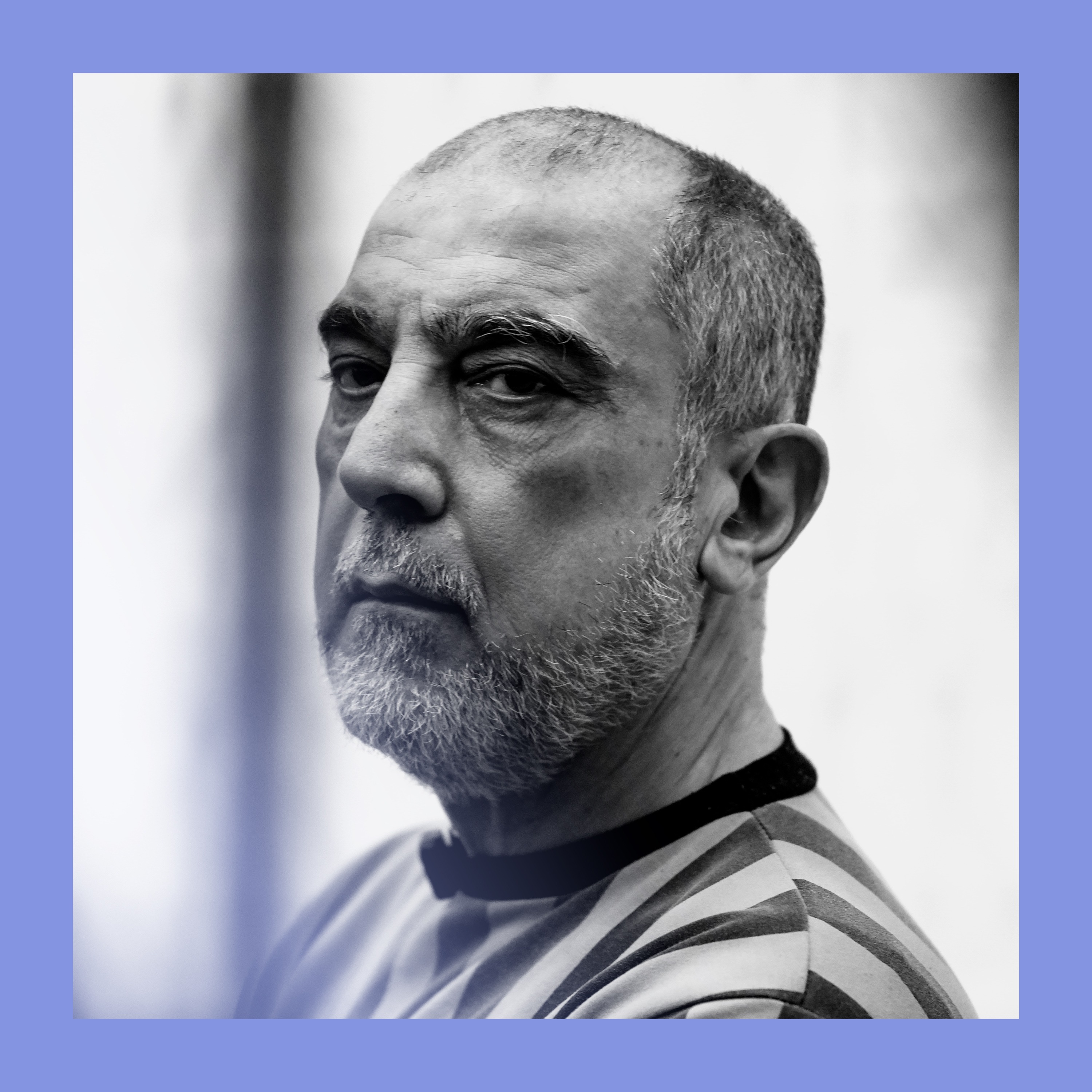
Regardless of intent, military actions like bombings create personal tragedies that radicalize individuals. This blowback is an unavoidable consequence of war, leading to revenge attacks and perpetuating the conflict, a factor often underestimated in strategic planning.

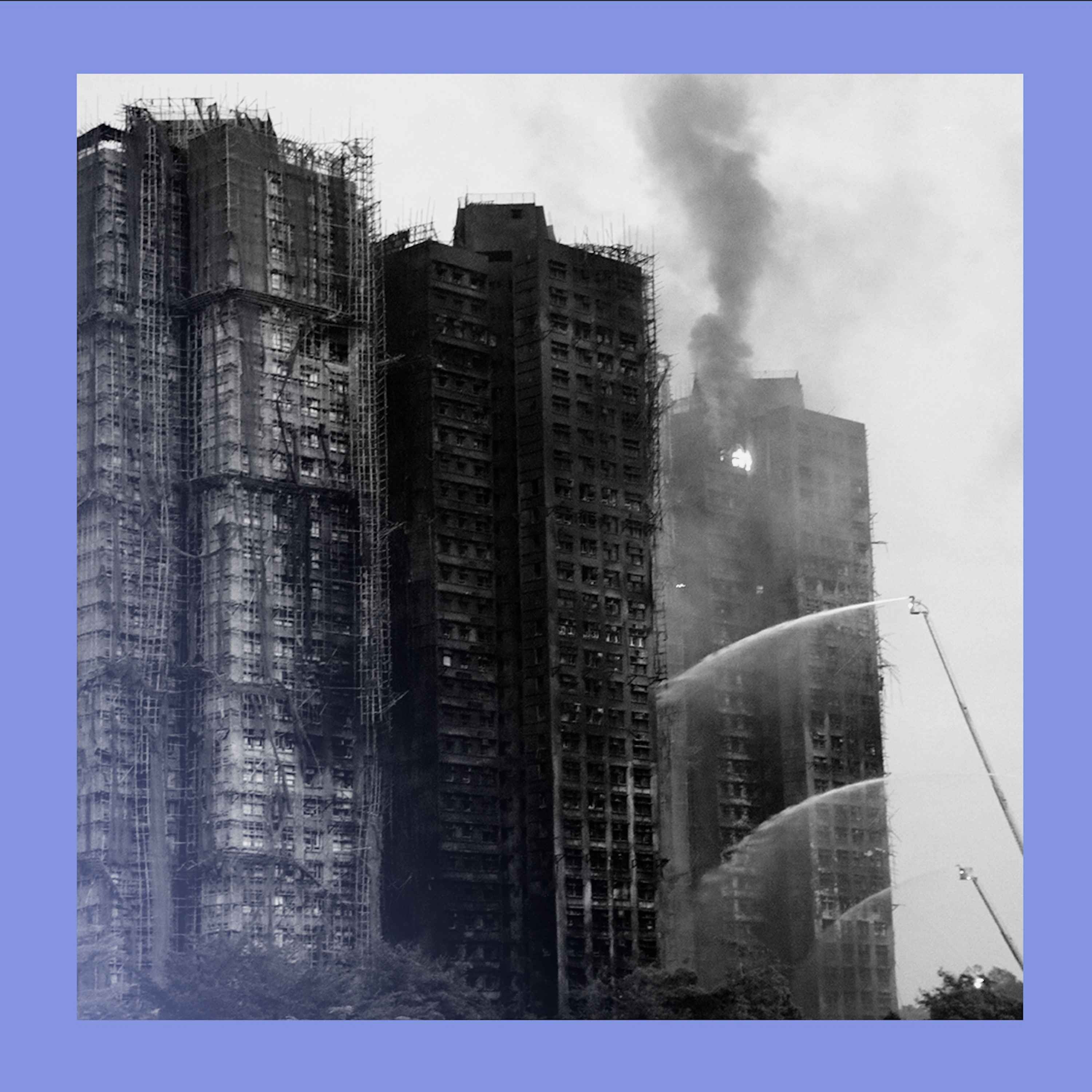
After initial violent crackdowns backfired by inflaming crowds, the Georgian government adopted a strategy of covert repression. It now uses the legal system—banning face coverings, imposing huge fines, and making targeted arrests—to methodically dismantle the year-long protest movement without the international backlash caused by overt street violence.
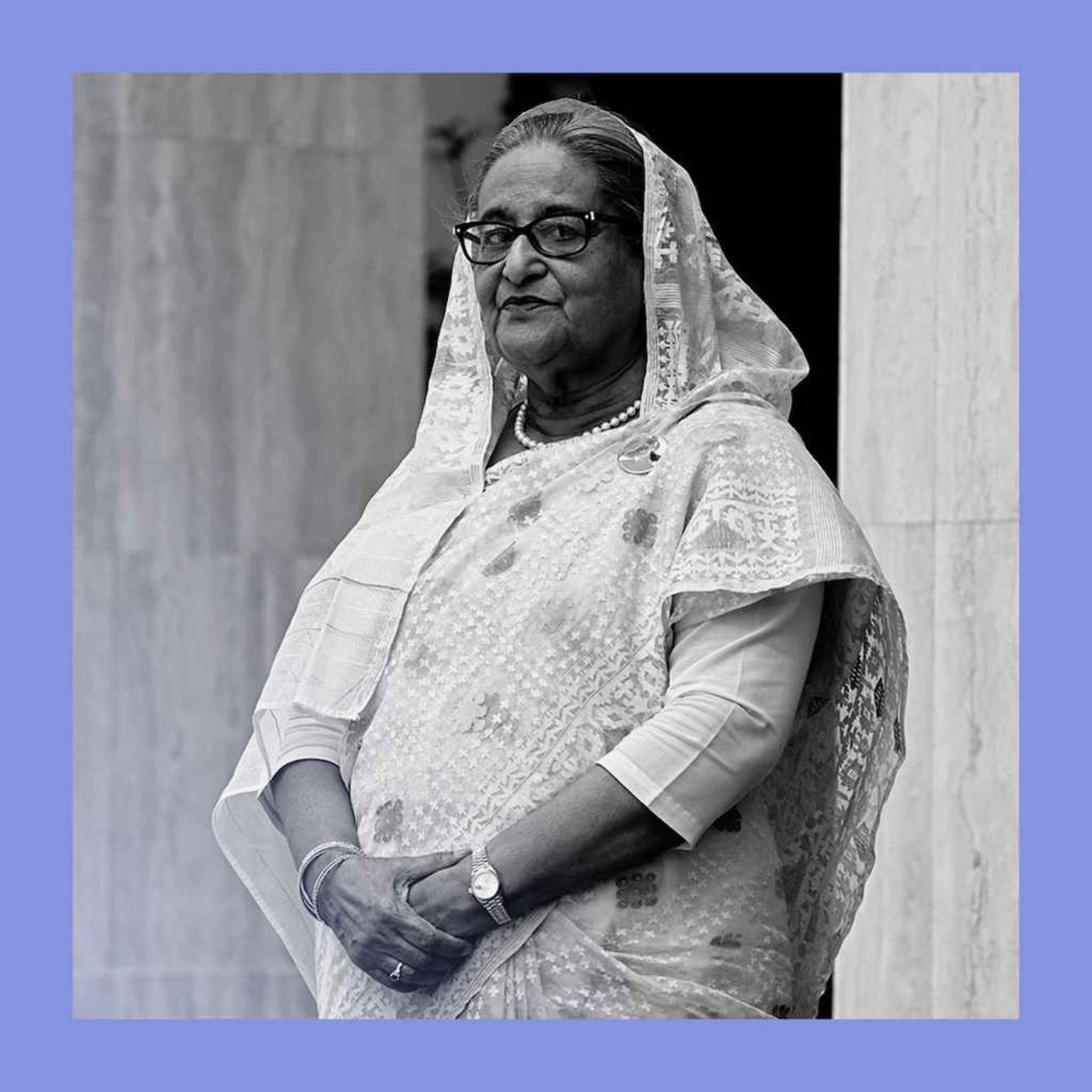
In a significant political irony, former Prime Minister Sheikh Hasina was tried by the International Crimes Tribunal. This was a court her own government set up in 2009, originally intended to prosecute war criminals from the 1971 war, not political leaders like herself.
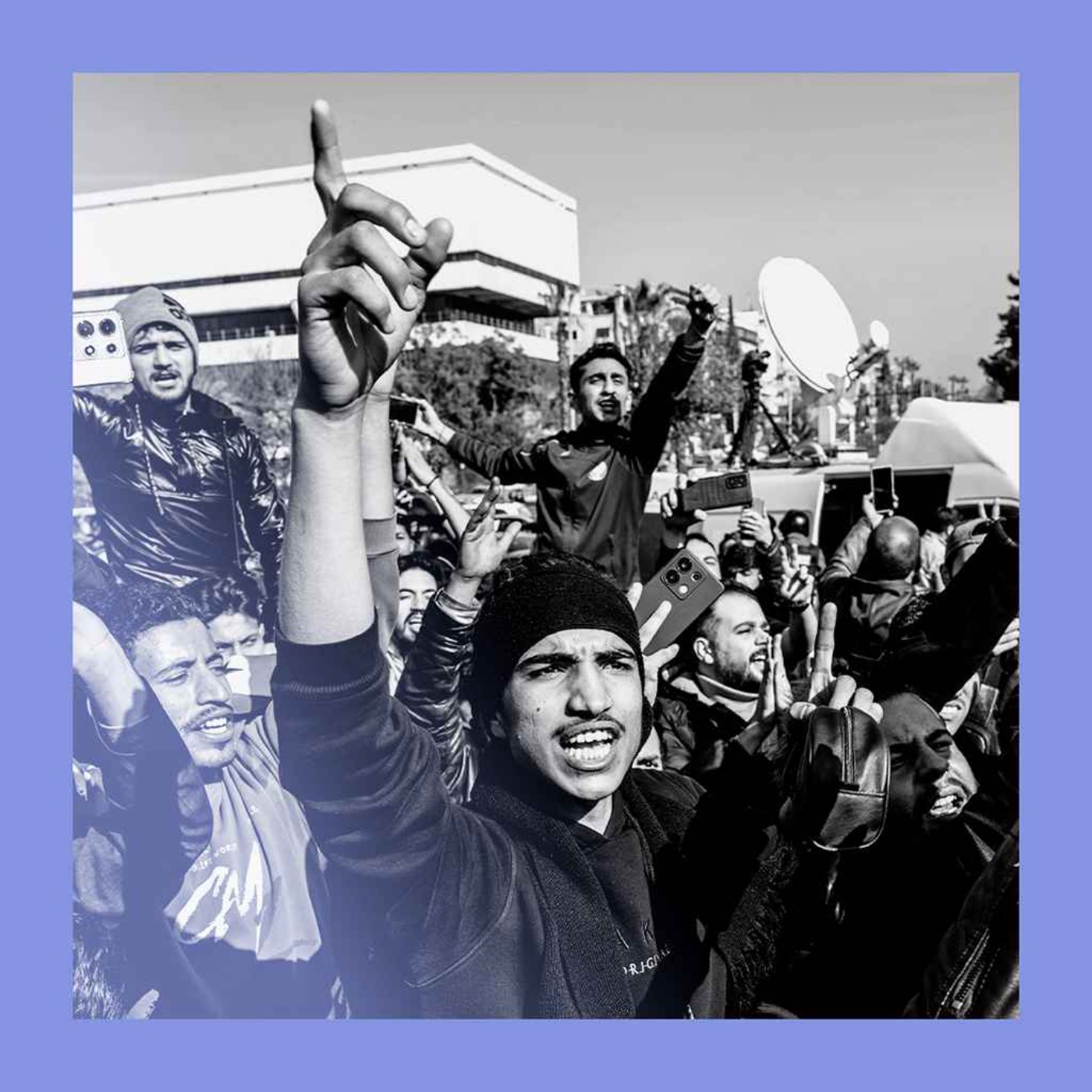
The new Syrian government's lack of transitional justice is a primary driver of ongoing violence. By allowing former regime figures to live in exile and even recruiting some, it has created a culture of impunity. This has led to widespread frustration, revenge killings, and sectarian attacks, showing peace requires accountability, not just regime change.
Rebuilding a nation after decades of repressive rule is a monumental task, often taking a decade or more. In the modern era, social media exacerbates the challenge by amplifying divisive voices and making the national consensus required for a stable transition nearly impossible to achieve.

Lacking laws for war crimes, Syria's new government is using the prior regime's criminal code to try its officials. Judges are creatively plugging legal gaps with international law, a pragmatic but legally complex approach to transitional justice that avoids building a new system from scratch.
Contrary to the Western view of the Kurdish SDF as allies, many Arab-majority cities in Northern Syria perceived their rule as a foreign occupation. The advance of Syrian government troops was met with public celebrations, revealing deep local resentments and a complex internal dynamic often missed by international observers.
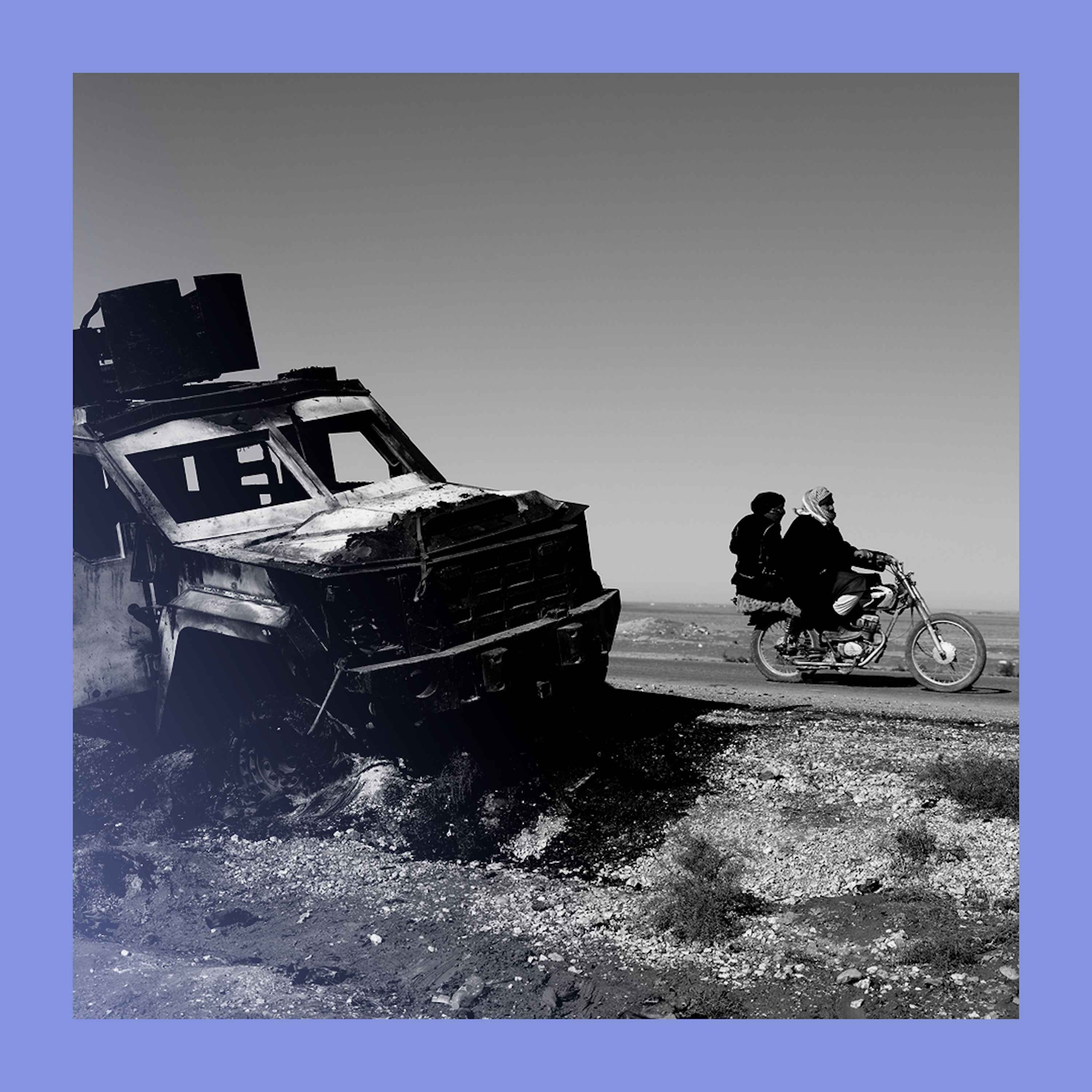
Contrary to expectations of post-liberation prosperity, the new Syrian government has worsened the economic situation for many citizens. By firing hundreds of thousands of state employees and cutting subsidies, the regime has plunged some of the country's poorest into greater financial distress, demonstrating that political freedom doesn't guarantee economic stability.
Despite promoting freedom of speech, Syria's new leader is centralizing power by establishing parallel institutions loyal only to him. Bodies like a new 'Office of Political Affairs' operate without oversight and usurp the authority of formal ministries, creating what one analyst calls 'the embryo of a new authoritarian structure of control.'
When a leader faces severe legal and personal consequences upon leaving office, the rational choice becomes prolonging a crisis. War provides a pretext for emergency powers and suspending elections, a dynamic observed in Ukraine.