Get your free personalized podcast brief
We scan new podcasts and send you the top 5 insights daily.
When a leader faces severe legal and personal consequences upon leaving office, the rational choice becomes prolonging a crisis. War provides a pretext for emergency powers and suspending elections, a dynamic observed in Ukraine.

Related Insights
An act of aggression can become so popular domestically that leaders feel compelled to see it through, even if initially intended as a negotiating tactic. The Argentine junta found the Falklands invasion was "the most popular thing they'd ever done," trapping them in a conflict they couldn't easily abandon.

A population can be habituated to war through gradual escalation. By starting with seemingly small, contained "lightning strikes," each subsequent step feels less shocking. This incremental approach can lead a nation into a major conflict without a single decisive moment of public debate or consent.

A swift peace deal in Ukraine might not be the preferred outcome for all its European partners. Some may see a longer conflict as a strategic opportunity to bolster their own military capabilities while Russia is occupied.
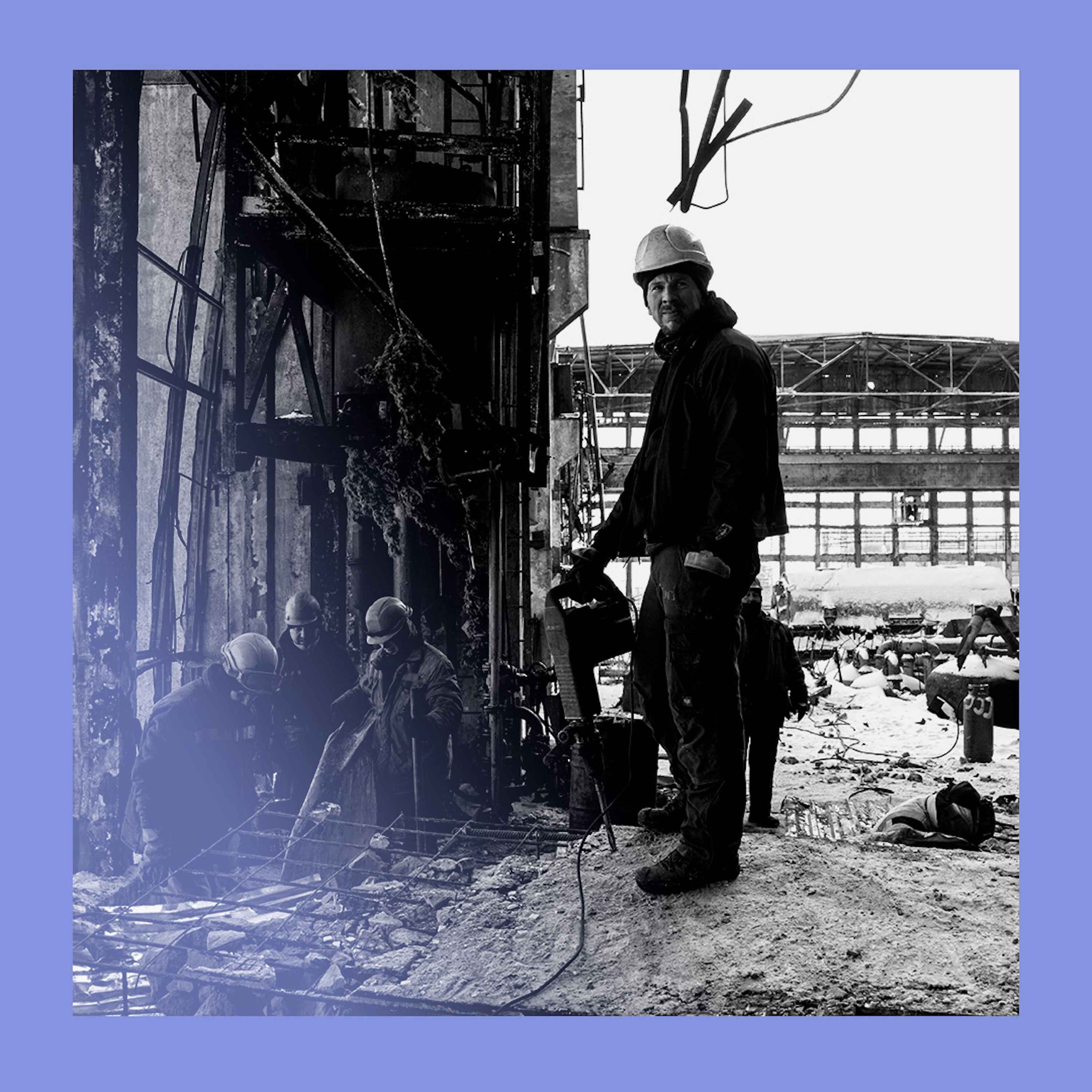
Officials in Ukraine's state nuclear energy company were recorded planning to skimp on protecting the energy grid from Russian missile strikes. They prioritized pocketing millions in kickbacks over national security, leading to devastating consequences when unprotected locations were later hit.
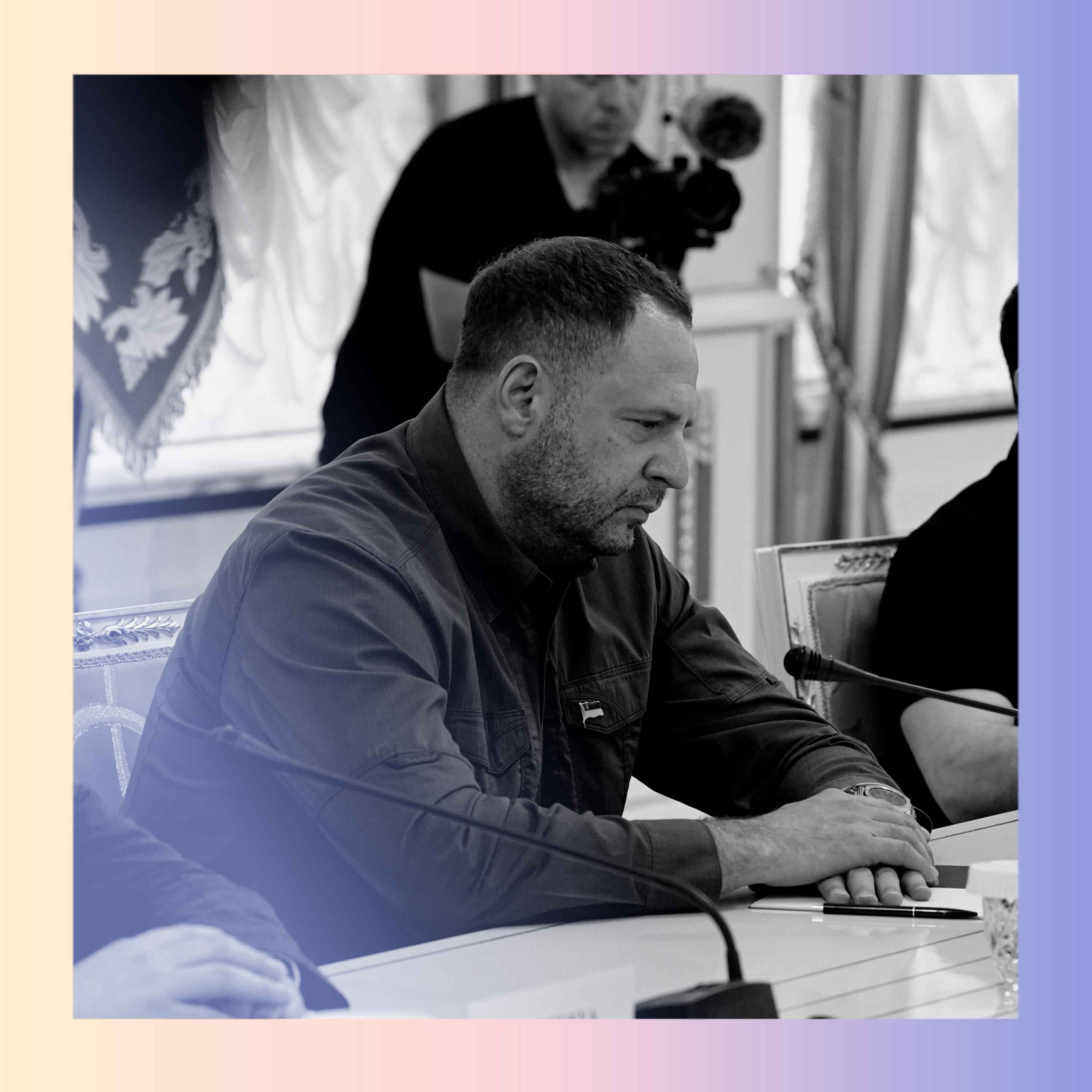
Treating political opposition as a criminal enterprise creates an existential battle akin to nuclear MAD (Mutually Assured Destruction). It forces each side to escalate when in power, fearing they'll be jailed if they lose, which guarantees the destruction of the political system itself.

The goal of modern populist movements has shifted from winning elections to establishing permanent dominance. This is achieved by creating a mandate to prosecute and imprison political opponents, dismantling the norm of peaceful power transitions in favor of winner-take-all retribution.

Soviet leaders who lived through WWII understood the unpredictability of direct conflict and preferred proxy wars. Vladimir Putin, in contrast, has consistently used direct "hot wars"—from Chechnya to Georgia to Ukraine—as a primary tool to consolidate power and boost his domestic popularity.

Putin's desire to continue the war outweighs any potential benefits offered in negotiations. This persistence is not based on a reasonable assessment of the situation but on sunk costs, personal legacy, and a belief that Russia's sheer will can outlast Western support.

Nations like the US and USSR prolong involvement in failed conflicts like Afghanistan primarily due to "reputational risk." The goal shifts from achieving the original mission to avoiding the perception of failure, creating an endless commitment where objectives continually morph.

Restoring global trust may require holding a prior administration legally accountable for breaking laws. However, this creates a dangerous paradox: the threat of future prosecution gives incumbents a powerful incentive to subvert democratic processes to remain in power, worsening domestic political instability.