Get your free personalized podcast brief
We scan new podcasts and send you the top 5 insights daily.
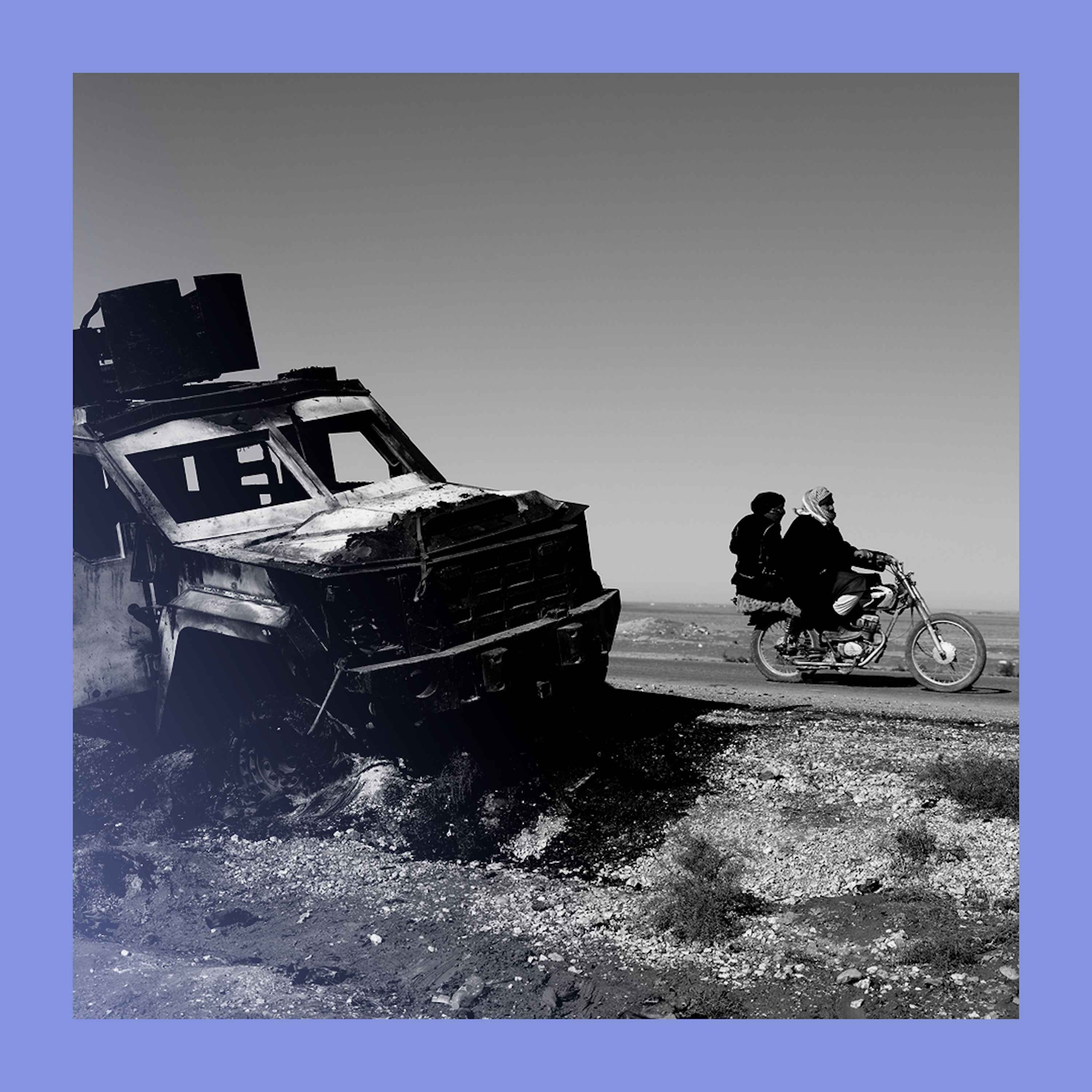
Contrary to the Western view of the Kurdish SDF as allies, many Arab-majority cities in Northern Syria perceived their rule as a foreign occupation. The advance of Syrian government troops was met with public celebrations, revealing deep local resentments and a complex internal dynamic often missed by international observers.
Related Insights
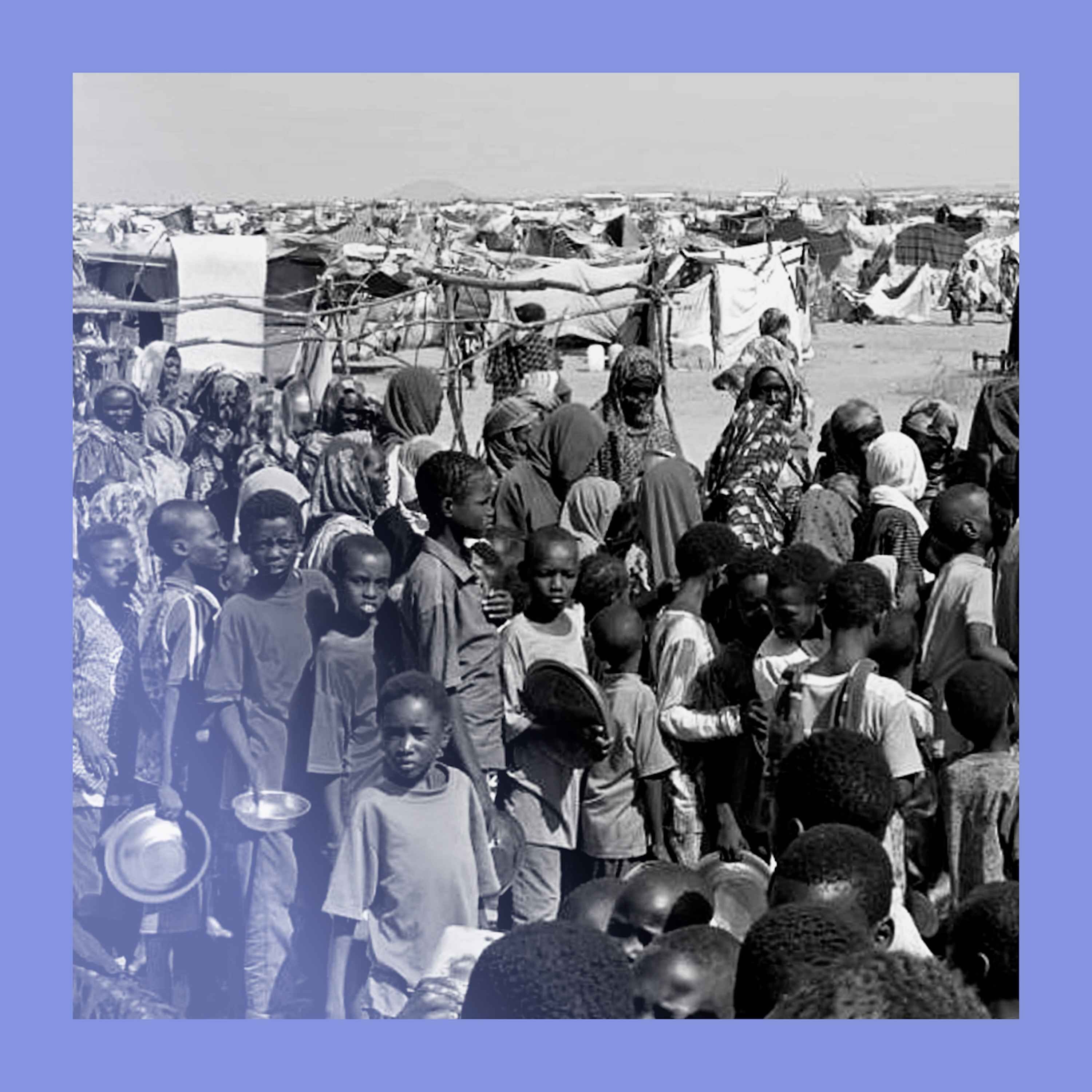
The paramilitary group's control over Darfur and the west effectively splits Sudan into two territories: one run by the RSF and the other by the conventional army in the east. This simplifies the conflict map but may be used as a negotiating tactic rather than an endpoint.
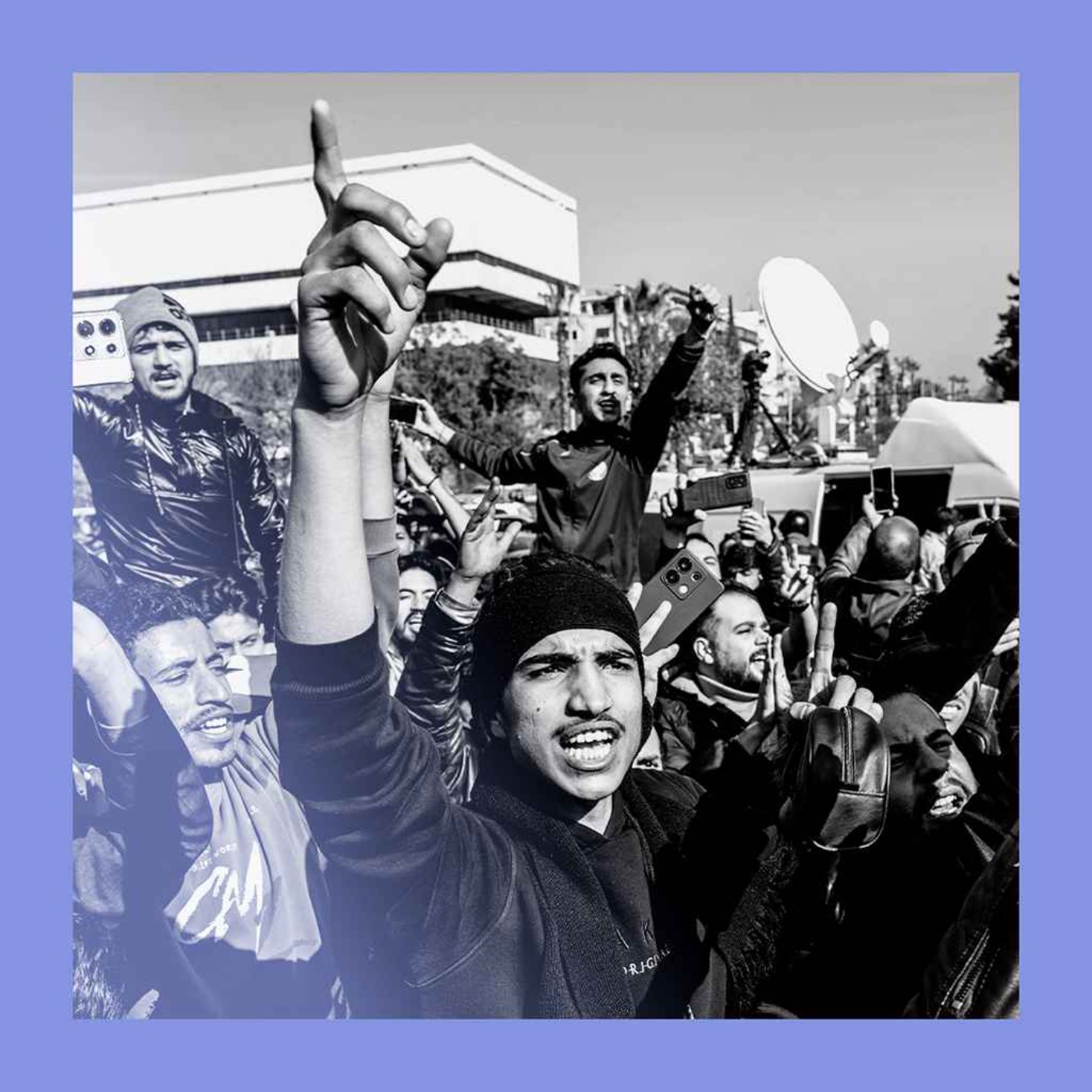
Shia tradition dictates memorial services 40 days after a death. This created a repeating protest cycle: state violence created martyrs, whose memorials 40 days later sparked new demonstrations, leading to more deaths and more memorials, thereby escalating the conflict.

The massive, peaceful 'No Kings' protests were framed not as anti-American, but as a pro-democracy movement. They represent a significant portion of the population actively pushing back against perceived threats to democratic norms and institutions, motivated by a desire to defend the country.

In populist moments, leaders often abandon the idea of compromise and instead treat the opposing side as an enemy to be defeated. Language describing American cities as "war zones" or "training grounds" reveals this divisive mindset, which prioritizes conflict over unity.

What appear as organic 'color revolutions' are often the result of a highly developed, academic playbook. This field, known as 'democratization studies' or 'civil resistance,' is taught at major universities and provides a systematic, step-by-step guide for orchestrating political change from the bottom up.

The new Syrian government's lack of transitional justice is a primary driver of ongoing violence. By allowing former regime figures to live in exile and even recruiting some, it has created a culture of impunity. This has led to widespread frustration, revenge killings, and sectarian attacks, showing peace requires accountability, not just regime change.
Rebuilding a nation after decades of repressive rule is a monumental task, often taking a decade or more. In the modern era, social media exacerbates the challenge by amplifying divisive voices and making the national consensus required for a stable transition nearly impossible to achieve.

A faction of the American far-left, disillusioned with the revolutionary potential of the domestic working class, has begun to romanticize Islam as a powerful global force. They view it as a potential ally capable of challenging and defeating Western structures like colonialism and capitalism.
Contrary to expectations of post-liberation prosperity, the new Syrian government has worsened the economic situation for many citizens. By firing hundreds of thousands of state employees and cutting subsidies, the regime has plunged some of the country's poorest into greater financial distress, demonstrating that political freedom doesn't guarantee economic stability.
Despite promoting freedom of speech, Syria's new leader is centralizing power by establishing parallel institutions loyal only to him. Bodies like a new 'Office of Political Affairs' operate without oversight and usurp the authority of formal ministries, creating what one analyst calls 'the embryo of a new authoritarian structure of control.'