Get your free personalized podcast brief
We scan new podcasts and send you the top 5 insights daily.
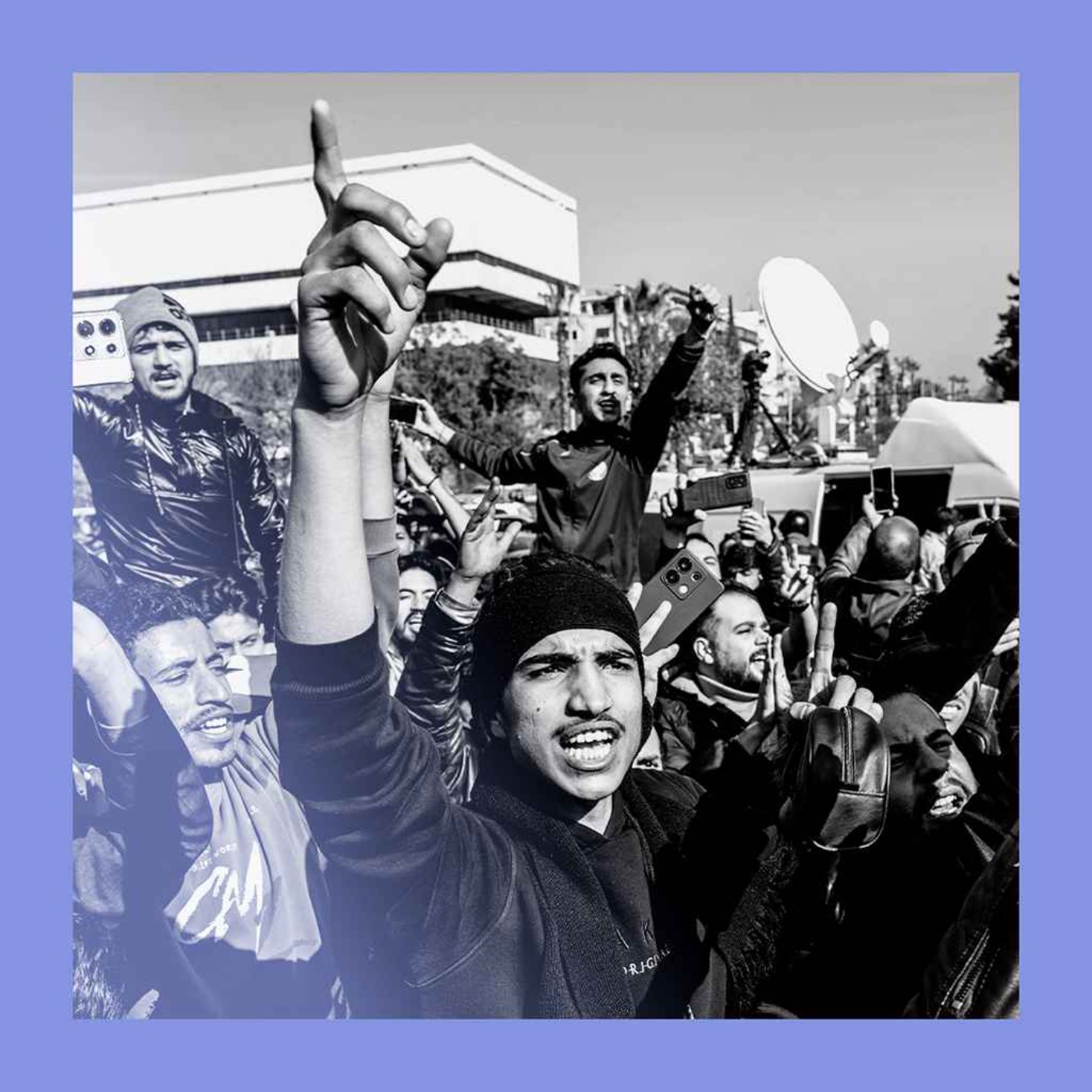
Despite promoting freedom of speech, Syria's new leader is centralizing power by establishing parallel institutions loyal only to him. Bodies like a new 'Office of Political Affairs' operate without oversight and usurp the authority of formal ministries, creating what one analyst calls 'the embryo of a new authoritarian structure of control.'
Related Insights
The Trump administration's strategy for control isn't writing new authoritarian laws, but aggressively using latent executive authority that past administrations ignored. This demonstrates how a democracy's own structures can be turned against it without passing a single new piece of legislation, as seen with the FCC.

AI provides a structural advantage to those in power by automating government systems. This allows leaders to bypass the traditional unwieldiness of human bureaucracy, making it trivial for an executive to change AI parameters and instantly exert their will across all levels of government, thereby concentrating power.

Authoritarian leaders like Hugo Chavez systematically dismantle democracy from within after winning elections. They replace competent individuals in the military and government with those who are absolutely loyal, destroying meritocracy to ensure the state apparatus serves the regime, not the people.

The U.S. political landscape is increasingly adopting authoritarian rhetoric and tendencies. However, this shift comes without any of the supposed upsides of authoritarianism, such as hyper-efficient infrastructure or public order. The result is a dysfunctional "authoritarianism without the good stuff."

The Trump administration's influence over who leads the massive Fannie Mae/Freddie Mac IPO is a classic autocratic move. While punishing enemies is well-understood, just as crucial is over-rewarding allies, which consolidates power and creates an ecosystem of cronyism.

To control Eastern Europe after WWII, the Soviets used a replicable playbook. They seized control of defense, interior, and justice ministries to monopolize coercion and information, while using land reform to eliminate old elites and create dependency, all under the fiction of democracy.

The new Syrian government's lack of transitional justice is a primary driver of ongoing violence. By allowing former regime figures to live in exile and even recruiting some, it has created a culture of impunity. This has led to widespread frustration, revenge killings, and sectarian attacks, showing peace requires accountability, not just regime change.
The rise of peer-to-peer communication and transparency is dissolving the credibility of centralized institutions (governments, media). These institutions can no longer maintain a facade of perfection as their flaws are constantly exposed, leading to a crisis of authority in society.

Contrary to expectations of post-liberation prosperity, the new Syrian government has worsened the economic situation for many citizens. By firing hundreds of thousands of state employees and cutting subsidies, the regime has plunged some of the country's poorest into greater financial distress, demonstrating that political freedom doesn't guarantee economic stability.
While both the Biden administration's pressure on YouTube and Trump's threats against ABC are anti-free speech, the former is more insidious. Surreptitious, behind-the-scenes censorship is harder to identify and fight publicly, making it a greater threat to open discourse than loud, transparent attacks that can be openly condemned.
