Get your free personalized podcast brief
We scan new podcasts and send you the top 5 insights daily.
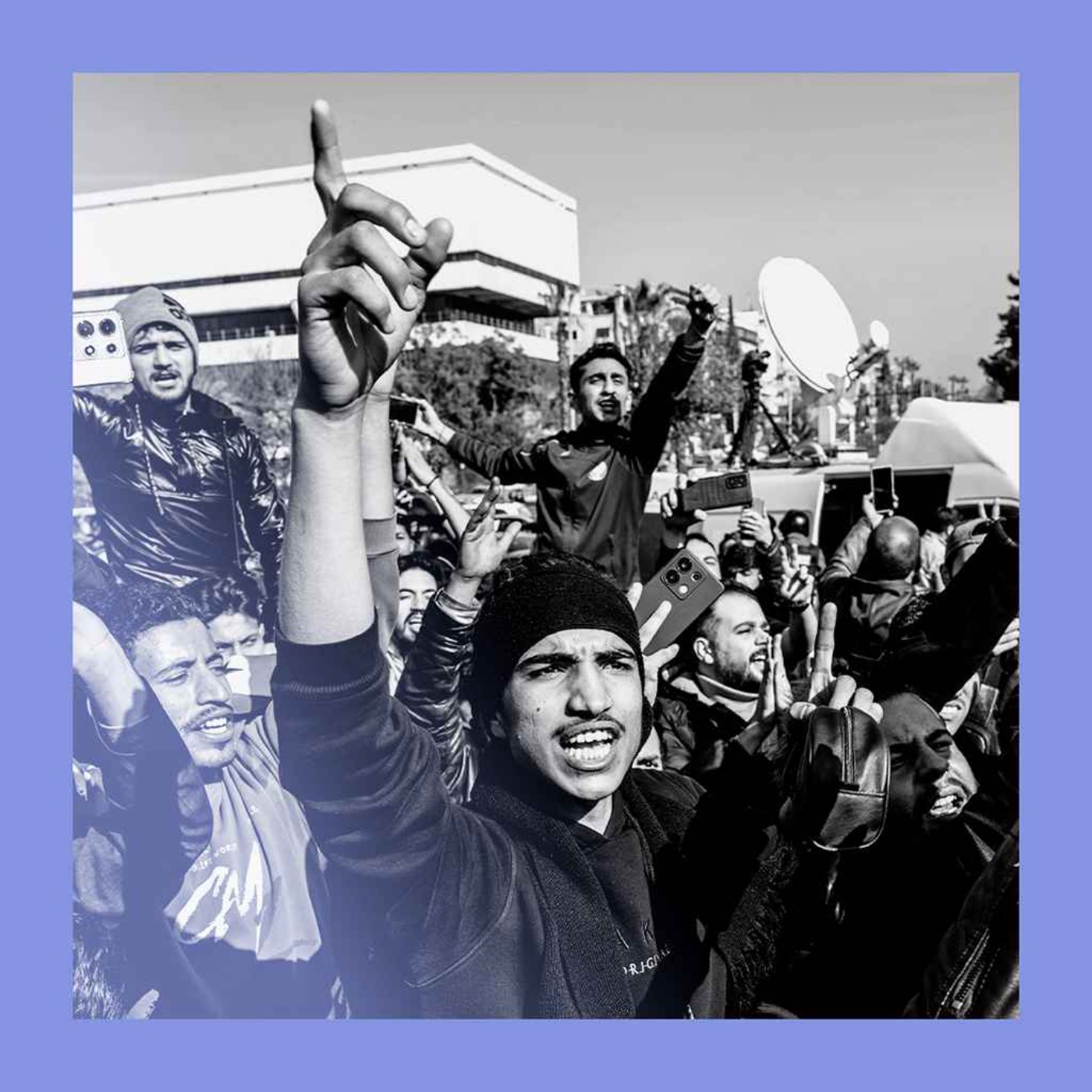
The new Syrian government's lack of transitional justice is a primary driver of ongoing violence. By allowing former regime figures to live in exile and even recruiting some, it has created a culture of impunity. This has led to widespread frustration, revenge killings, and sectarian attacks, showing peace requires accountability, not just regime change.
Related Insights
Political violence and extreme polarization are symptoms of deeper economic anxieties. When people feel economically insecure, they retreat into tribal identities and become susceptible to narratives of anger, which can escalate into violence.

Claiming you will only 'turn down the temperature' after your opponents do is not a strategy for de-escalation; it is a justification for retaliation. This 'counter-punching' approach ensures conflict continues. A genuine desire to reduce societal tension requires leading by example, not waiting for the other side to act first.

History’s most shocking atrocities are defined less by their authoritarian leaders and more by the 'giant blob of enablers' who facilitate them. The current political climate demonstrates this, where professionals and politicians abdicate their expertise and principles to avoid conflict, becoming complicit in the process and allowing destructive ideologies to gain power.
Rather than taking a "holier than thou" stance and refusing to engage with governments that have committed atrocities, it is more effective to build bridges. Cooperation invites them into the 21st century and aligns them with your values, whereas isolationism is counterproductive.

Major political realignments are not always triggered by specific crimes but by a pervasive 'vibe' of elite entitlement and impunity. Revelations that expose a culture of being above the law can act as a societal 'let them eat cake moment,' sparking a revolutionary shift in public sentiment and policy priorities.

Beyond headline-grabbing scandals, the most insidious impact of a kleptocratic administration is its refusal to enforce existing laws, from financial regulations to anti-corruption acts. This quiet dismantling of the legal framework fosters a culture of impunity where bad actors thrive, ultimately harming ordinary people and destabilizing the entire system.

In the aftermath of political violence, the targeted group often mirrors the very dehumanizing tactics they condemn. While correctly identifying an attacker's ideology, they risk escalating the conflict by applying labels like 'evil' to the entire opposing side, thus perpetuating the cycle of radicalization that fuels violence.
In times of extreme polarization, the political middle is not a safe haven but a kill zone. Moderates are targeted by both sides because they have no tribe to defend them. The escalating cost of neutrality forces everyone to pick a side, eliminating compromise and accelerating conflict.

Contrary to expectations of post-liberation prosperity, the new Syrian government has worsened the economic situation for many citizens. By firing hundreds of thousands of state employees and cutting subsidies, the regime has plunged some of the country's poorest into greater financial distress, demonstrating that political freedom doesn't guarantee economic stability.
Despite promoting freedom of speech, Syria's new leader is centralizing power by establishing parallel institutions loyal only to him. Bodies like a new 'Office of Political Affairs' operate without oversight and usurp the authority of formal ministries, creating what one analyst calls 'the embryo of a new authoritarian structure of control.'