Get your free personalized podcast brief
We scan new podcasts and send you the top 5 insights daily.
In a significant political irony, former Prime Minister Sheikh Hasina was tried by the International Crimes Tribunal. This was a court her own government set up in 2009, originally intended to prosecute war criminals from the 1971 war, not political leaders like herself.

Related Insights
History’s most shocking atrocities are defined less by their authoritarian leaders and more by the 'giant blob of enablers' who facilitate them. The current political climate demonstrates this, where professionals and politicians abdicate their expertise and principles to avoid conflict, becoming complicit in the process and allowing destructive ideologies to gain power.
The presidential pardon system, intended as a tool for justice and clemency, has been perverted into a transactional mechanism. It now primarily serves the wealthy and politically connected, diverting resources and attention from its core mission of correcting injustices for ordinary people caught in a flawed system.

The process of presidential clemency has devolved into a monetized system where freedom is potentially for sale. The speaker claims that for a price between $500,000 and $3 million, one could navigate the right channels to secure a presidential pardon, effectively turning a tool of justice into a corrupt commodity.

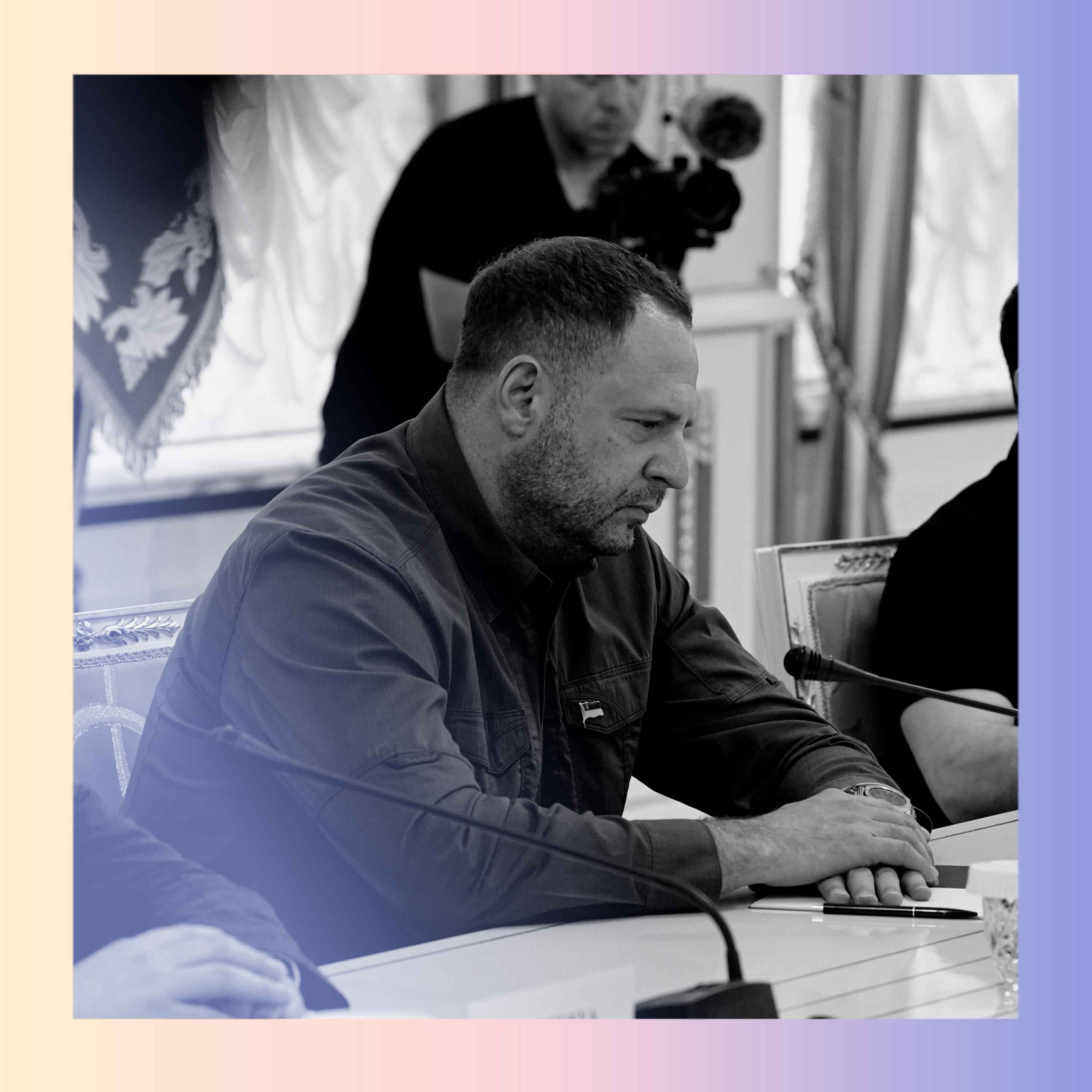
When the investigation reached the President's inner circle, the government machine mobilized against the anti-corruption bodies. Ukraine's security services arrested several detectives involved in the probe, accusing them of collaborating with Russia. This tactic attempts to reframe a legitimate investigation as a threat to national security.
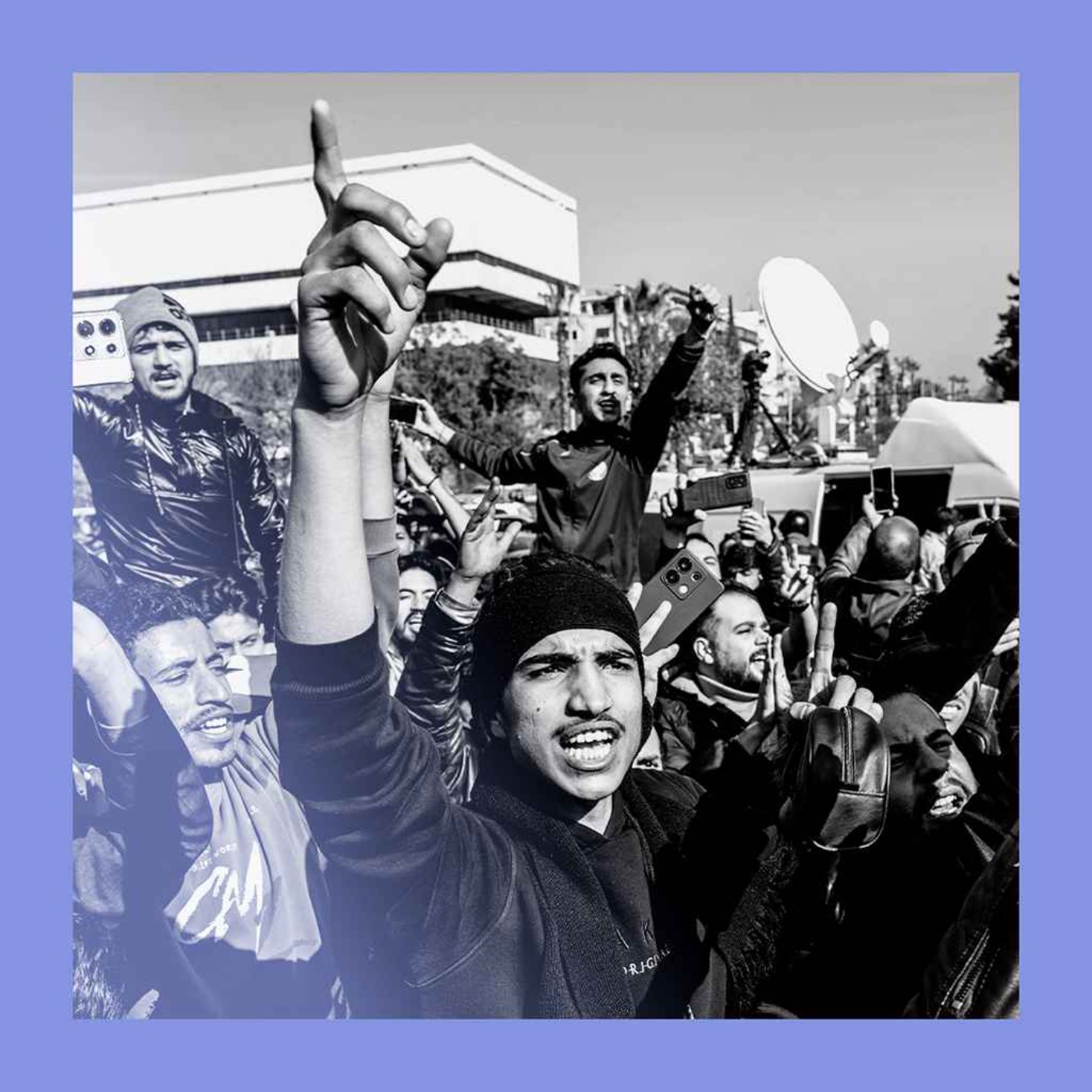
Widespread unrest against Sheikh Hasina's authoritarian rule was not triggered by general discontent alone. The catalyst was a specific Supreme Court decision implementing a 30% government job quota for the children of 1971 freedom fighters, who were largely supporters of her party.
The new Syrian government's lack of transitional justice is a primary driver of ongoing violence. By allowing former regime figures to live in exile and even recruiting some, it has created a culture of impunity. This has led to widespread frustration, revenge killings, and sectarian attacks, showing peace requires accountability, not just regime change.
Beyond headline-grabbing scandals, the most insidious impact of a kleptocratic administration is its refusal to enforce existing laws, from financial regulations to anti-corruption acts. This quiet dismantling of the legal framework fosters a culture of impunity where bad actors thrive, ultimately harming ordinary people and destabilizing the entire system.

Using legal attacks against political opponents ("lawfare") is a societal gangrene. It forces the targeted party to retaliate, turning elections into existential battles for survival rather than policy contests. This high-stakes environment creates a powerful incentive to win at any cost, undermining democratic norms.

The indictment of former FBI Director James Comey highlights a strategy where the legal process itself is the punishment. The goal is not to win in court but to intimidate opponents by forcing them into expensive, time-consuming legal battles, creating a chilling effect on dissent regardless of the case's merits.

The focus on pardoning political allies diverts legal resources and attention away from tens of thousands of ordinary inmates with legitimate clemency cases. This creates a two-tiered justice system where political loyalty is prioritized over rectifying potential miscarriages of justice for the general population.