Get your free personalized podcast brief
We scan new podcasts and send you the top 5 insights daily.
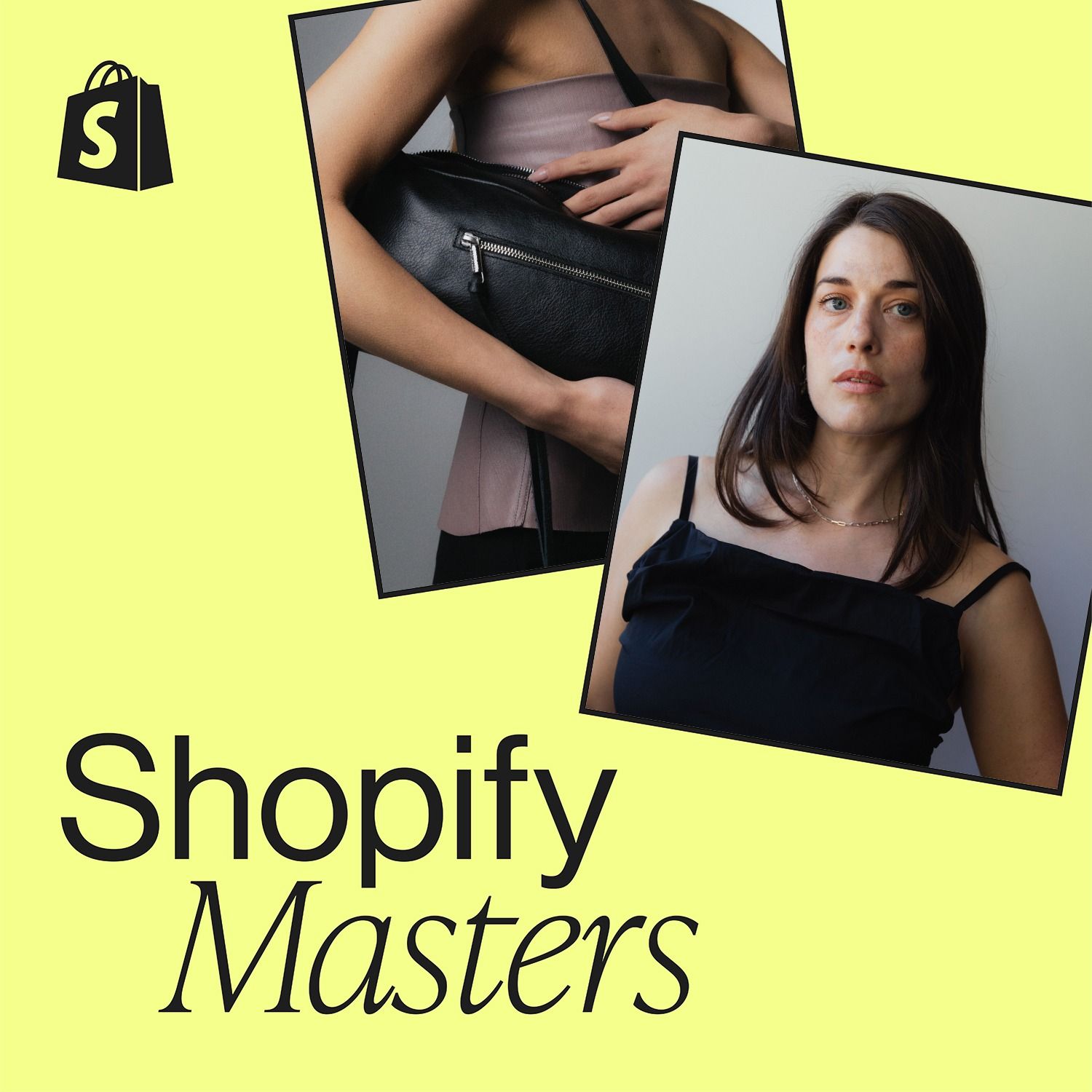
Sonya Lee targets educated consumers skeptical of traditional luxury markups. By sourcing directly from a certified tannery, the brand can prove its leather's origin—from a specific farm to the final product. This radical transparency builds trust, justifies its price point, and differentiates it from competitors who obscure their supply chains.
Related Insights
Founder Catherine Lockhart isn't afraid of copycats. She shares her manufacturing process openly, believing the sheer difficulty of execution is a sufficient barrier to entry. This radical transparency builds customer trust and turns potential trade secrets into a powerful marketing asset.
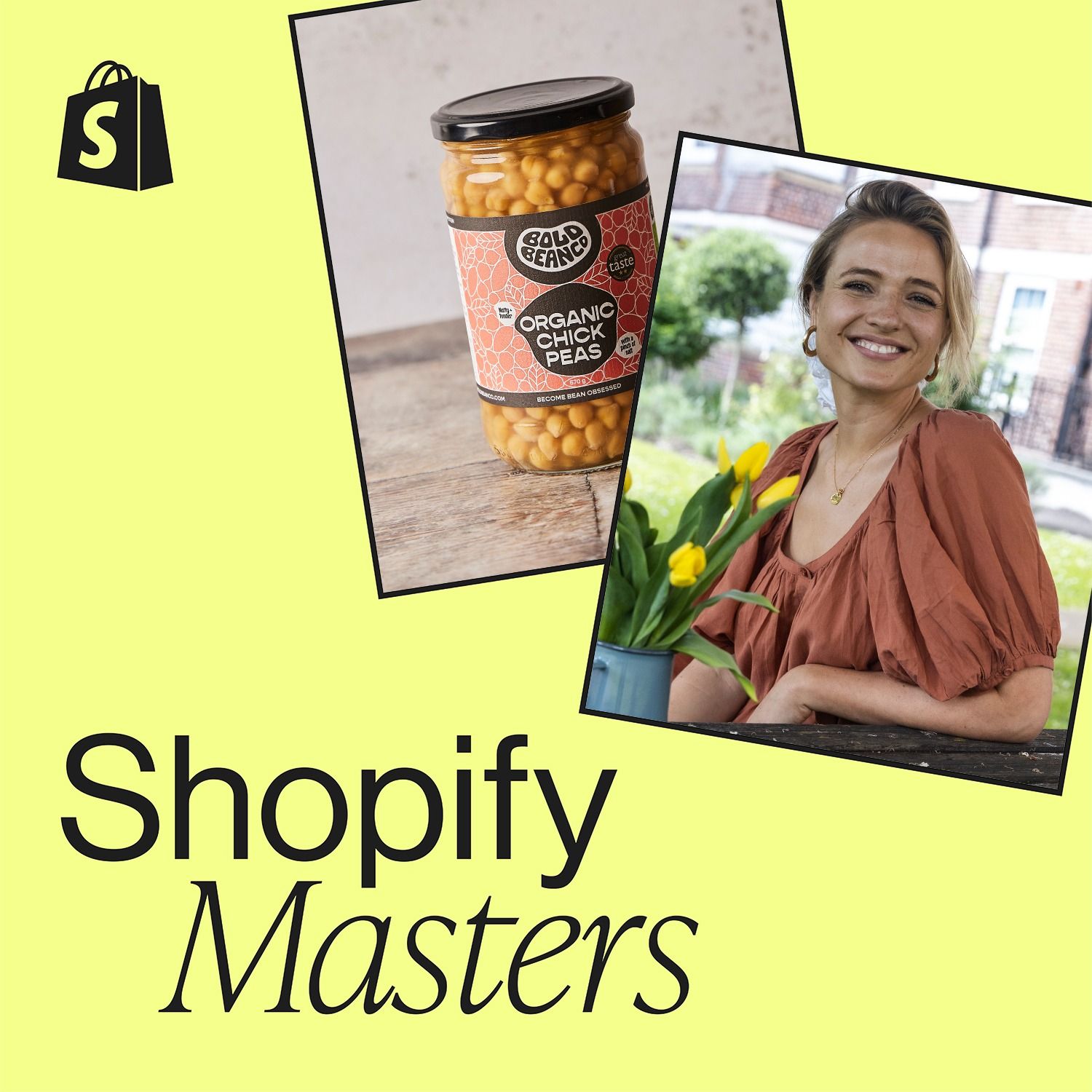
The brand used clear glass jars, initially a byproduct of a superior cooking method, to showcase the beans' quality. This transparency shifted consumer perception from a hidden pantry staple to a premium, display-worthy ingredient, justifying a higher price point.
Persisting with a difficult, authentic, and more expensive production process, like using fresh ingredients instead of flavorings, is not a liability. It is the very thing that builds a long-term competitive advantage and a defensible brand story that copycats cannot easily replicate.

By eliminating seasonal colors to focus only on her bestseller—black—handbag brand Sonya Lee could place larger bulk leather orders. This allowed her to bypass wholesalers and source directly from a premium tannery, dramatically improving margins, ensuring material traceability, and making capital more efficient.
In environments plagued by counterfeits, like Nigeria's pharmaceutical market, product value isn't just about price or convenience. A core, defensible feature is guaranteeing authenticity. This requires solving complex supply chain and tracking problems, which in turn builds a critical moat against competitors.

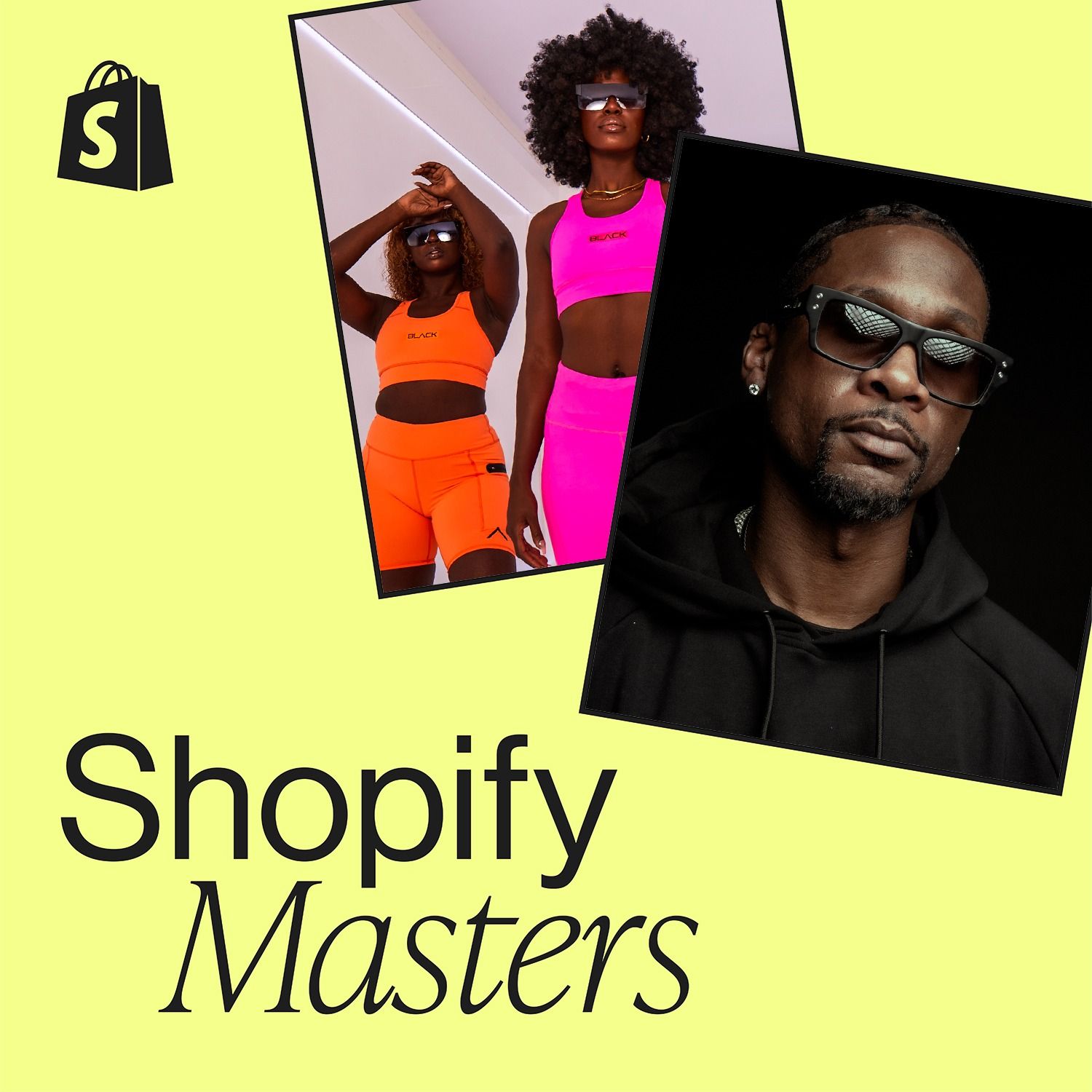
Instead of just reshoring manufacturing, Actively Black partnered with Black-owned cotton farms, transforming a logistical decision into a powerful brand narrative of "reclamation." This turned a product collection into one of their best-sellers, proving that supply chain choices can be a potent marketing tool.
For sophisticated consumers, branding based on unsubstantiated luxury materials can create skepticism. A marketing message focused on scientific proof, tangible benefits, and performance can be more compelling and build greater trust, especially for a high-price-point product.
In a crowded market, brand is defined by the product experience, not marketing campaigns. Every interaction must evoke the intended brand feeling (e.g., "lovable"). This transforms brand into a core product responsibility and creates a powerful, defensible moat that activates word-of-mouth and differentiates you from competitors.

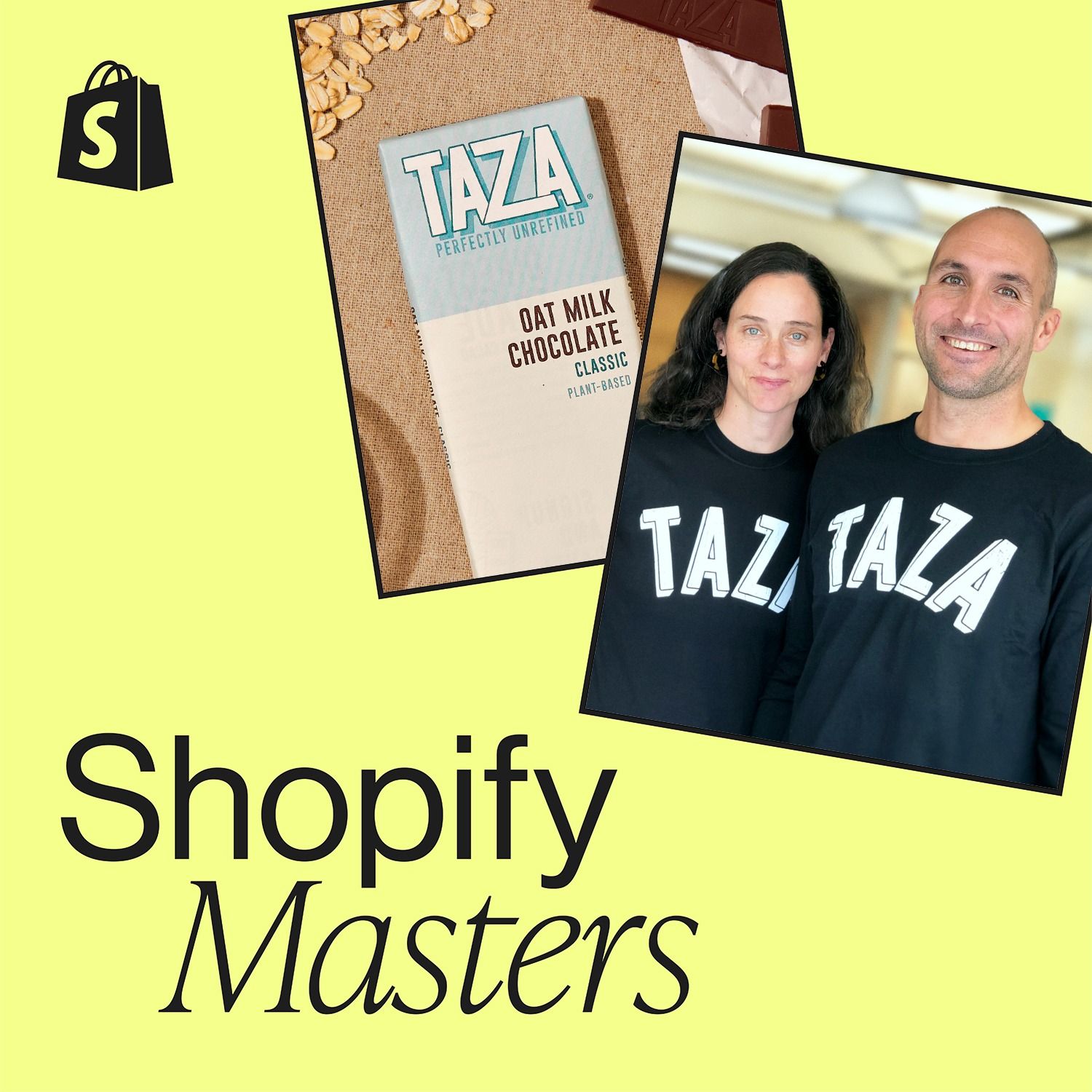
Taza pioneered "Direct Trade Cacao" but instead of guarding it as a trade secret, they openly shared the model. This encouraged competitors to adopt similar ethical sourcing practices, which helped build consumer trust and grow the entire premium chocolate market, benefiting Taza as a market leader.
Actively Black created a powerful brand narrative by building a 'Black owned supply chain,' using cotton from Black farmers for a 'Made in America' collection. This story of economic reclamation resonated so strongly with customers that it became a top-selling product line, proving a meaningful supply chain can be a brand's most compelling feature.
