Get your free personalized podcast brief
We scan new podcasts and send you the top 5 insights daily.
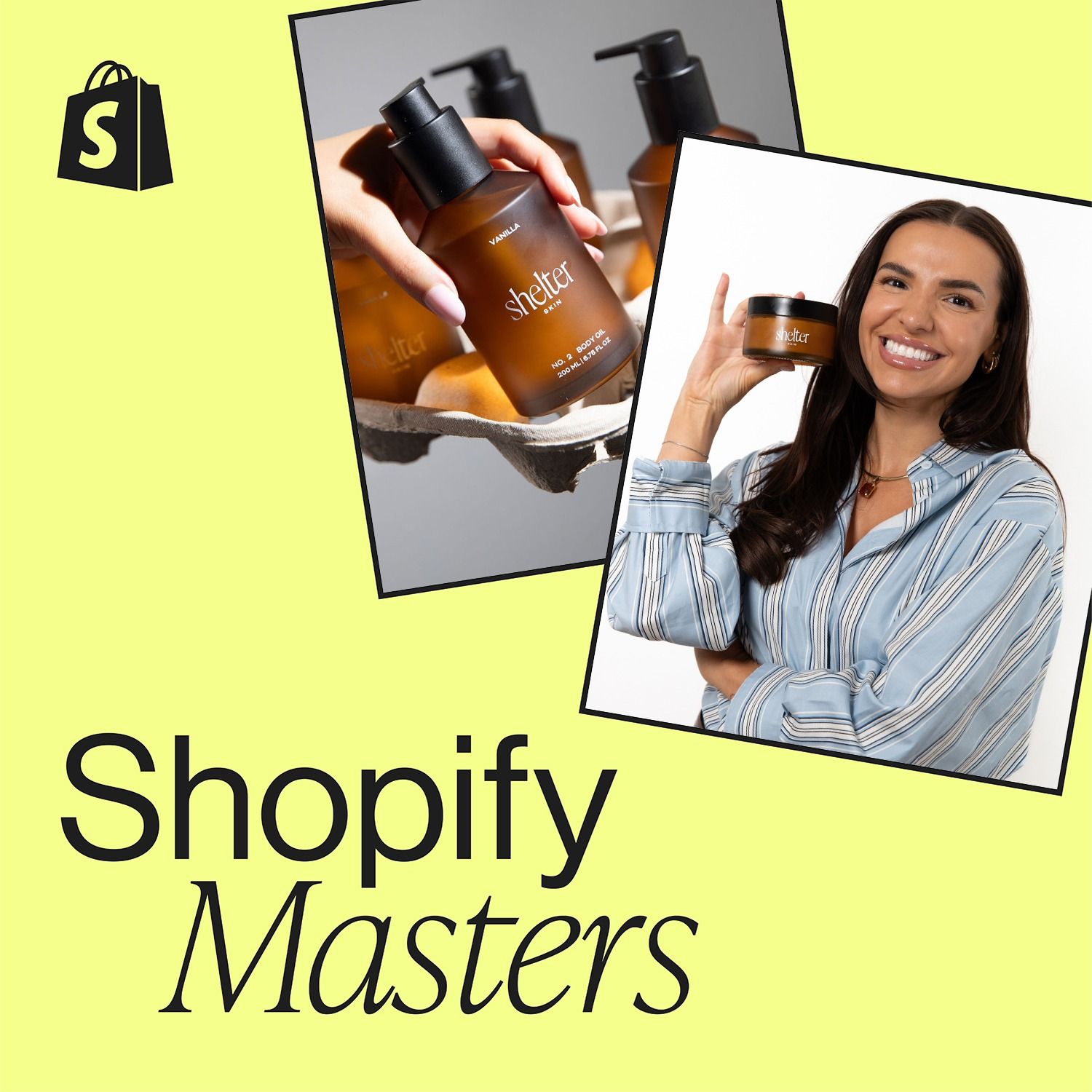
Founder Catherine Lockhart isn't afraid of copycats. She shares her manufacturing process openly, believing the sheer difficulty of execution is a sufficient barrier to entry. This radical transparency builds customer trust and turns potential trade secrets into a powerful marketing asset.
Related Insights
Copycats are inevitable for successful CPG products. The best defense isn't intellectual property, but rapid execution by a team that has 'done it before.' Building a diverse distribution footprint and a strong brand quickly makes it harder for competitors to catch up.

Despite running a company with a near $2 billion valuation, Olipop's CEO Ben Goodwin personally formulates every flavor. He views this hands-on work not as a hobby, but as his most direct and unfiltered expression to customers, ensuring the product quality that underpins the brand's success.

Instead of patenting its sauce recipe—which requires public disclosure and expires in 20 years—Raising Cane's uses costly operational secrecy. This protects the formula indefinitely and, more importantly, transforms the sauce from a simple condiment into a valuable, unifying brand myth.

Rather than selling single products, Novonesis designs custom blends or "cocktails" of different enzymes and microbes. This tailor-made approach solves specific customer problems so effectively that it makes the solution highly unique and difficult for competitors to replicate.
Persisting with a difficult, authentic, and more expensive production process, like using fresh ingredients instead of flavorings, is not a liability. It is the very thing that builds a long-term competitive advantage and a defensible brand story that copycats cannot easily replicate.

Founder Catherine Lockhart couldn't find a lab willing to work with her core ingredient (tallow) or meet her budget. She opted for the harder path of in-house manufacturing, which gave her full control over formulas and the ability to pivot quickly after launch issues.
To avoid the operational chaos of viral success, Shelter Skin deliberately caps production to match what they can manufacture and ship themselves. This prevents them from overselling and allows for sustainable, bootstrapped growth, even if it means frustrating some customers with temporary stockouts.
Aspiring founders often obsess over creating unique intellectual property (IP) as a moat. In reality, for most bootstrapped SaaS companies, competitive advantage comes from superior marketing, sales, and positioning—not patents or secret algorithms. Customers choose the best tool that solves their problem, not the one with the most patents.
