Get your free personalized podcast brief
We scan new podcasts and send you the top 5 insights daily.
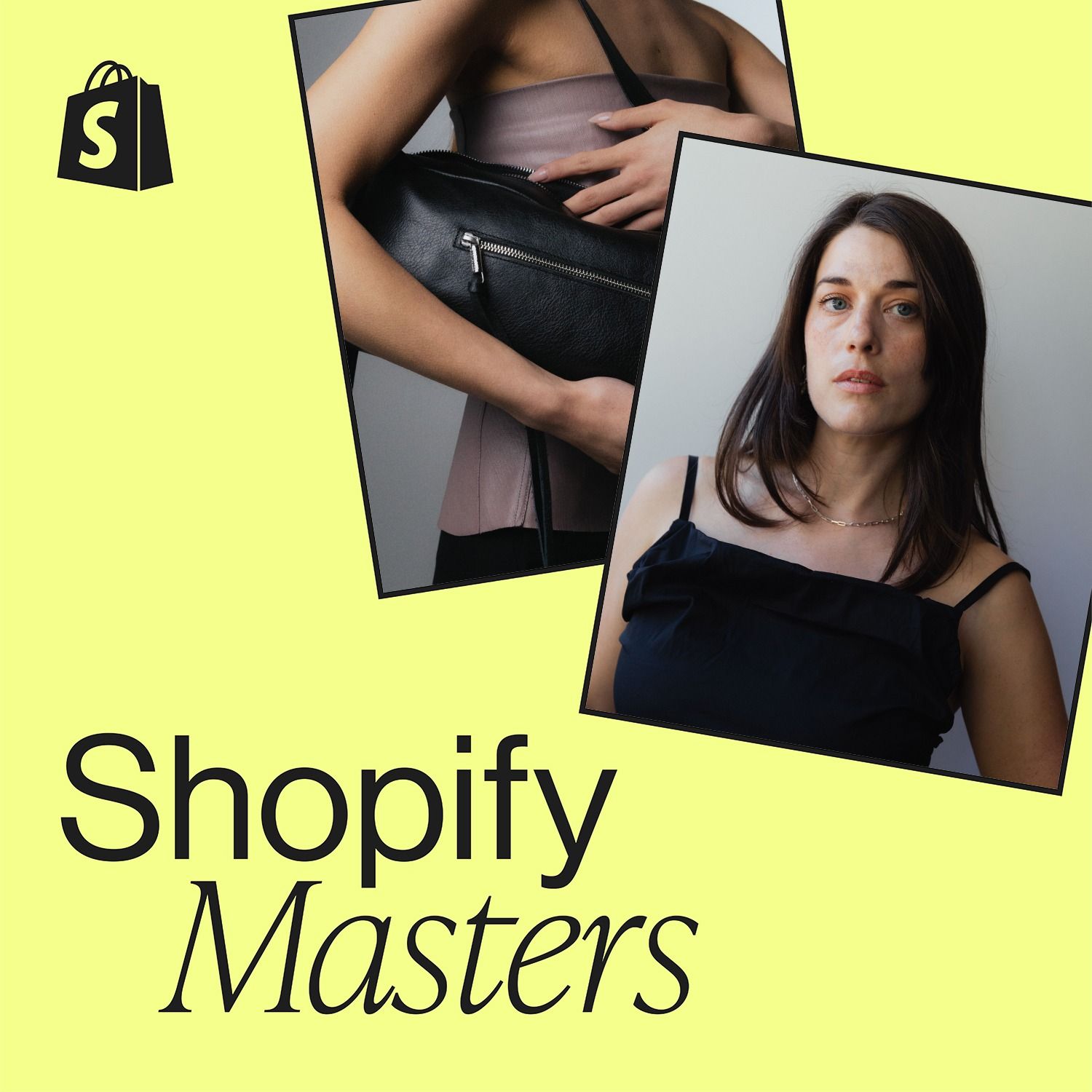
By eliminating seasonal colors to focus only on her bestseller—black—handbag brand Sonya Lee could place larger bulk leather orders. This allowed her to bypass wholesalers and source directly from a premium tannery, dramatically improving margins, ensuring material traceability, and making capital more efficient.
Related Insights
To scale production while maintaining quality, Sonya Lee uses millimeter-level sewing tolerances and precise guides, removing all guesswork. This operational rigidity creates product consistency. Paradoxically, this frees up staff's mental energy, allowing the founder to delegate creative tasks like styling and new product design, which fosters team ownership.
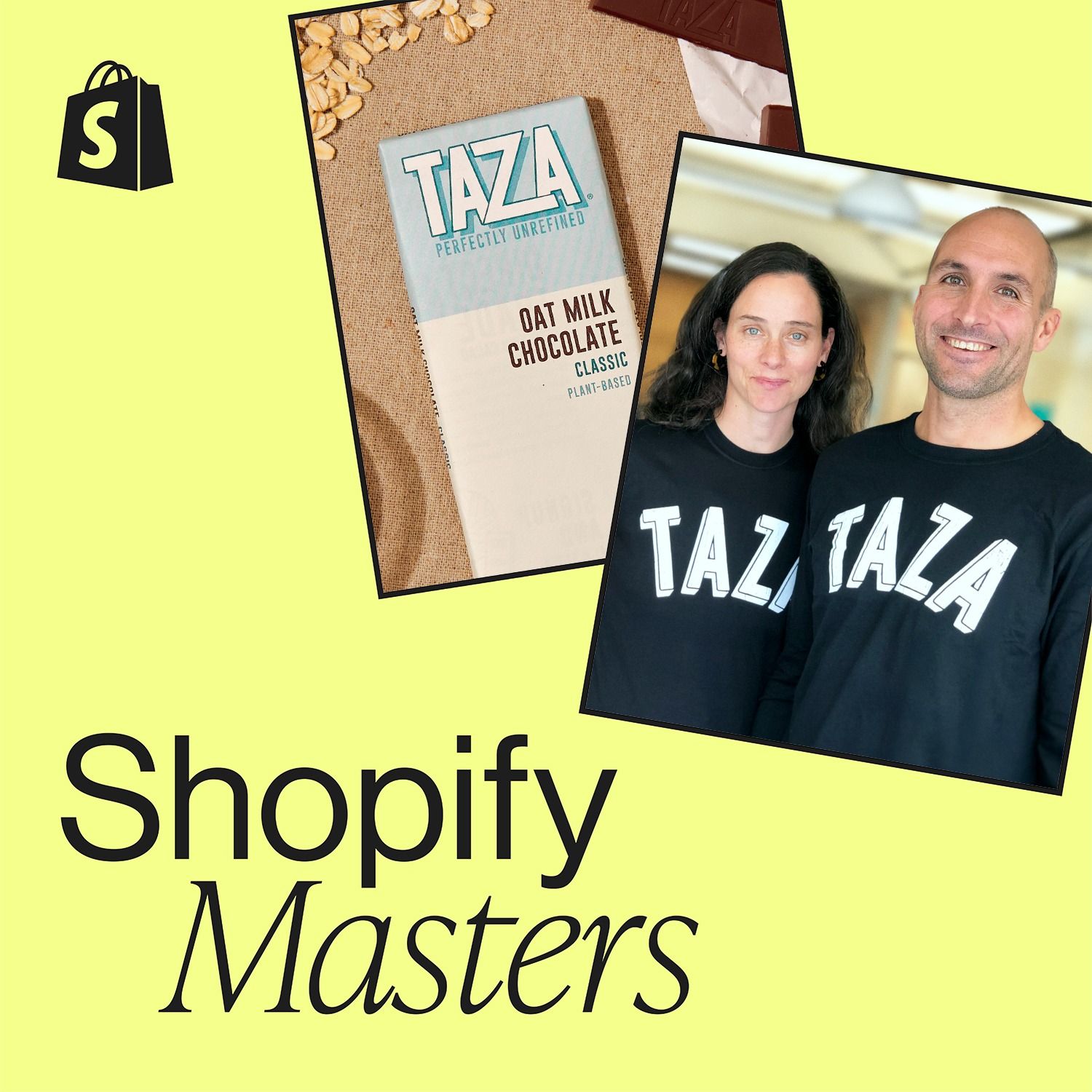
Taza's attempts to go mass-market with lower prices or "fun flavors" failed. They found success by listening to their core customers who wanted intense cacao flavor. Their #1 selling product, a 95% dark bar, proved the value of doubling down on their super-niche identity.
Sonya Lee targets educated consumers skeptical of traditional luxury markups. By sourcing directly from a certified tannery, the brand can prove its leather's origin—from a specific farm to the final product. This radical transparency builds trust, justifies its price point, and differentiates it from competitors who obscure their supply chains.
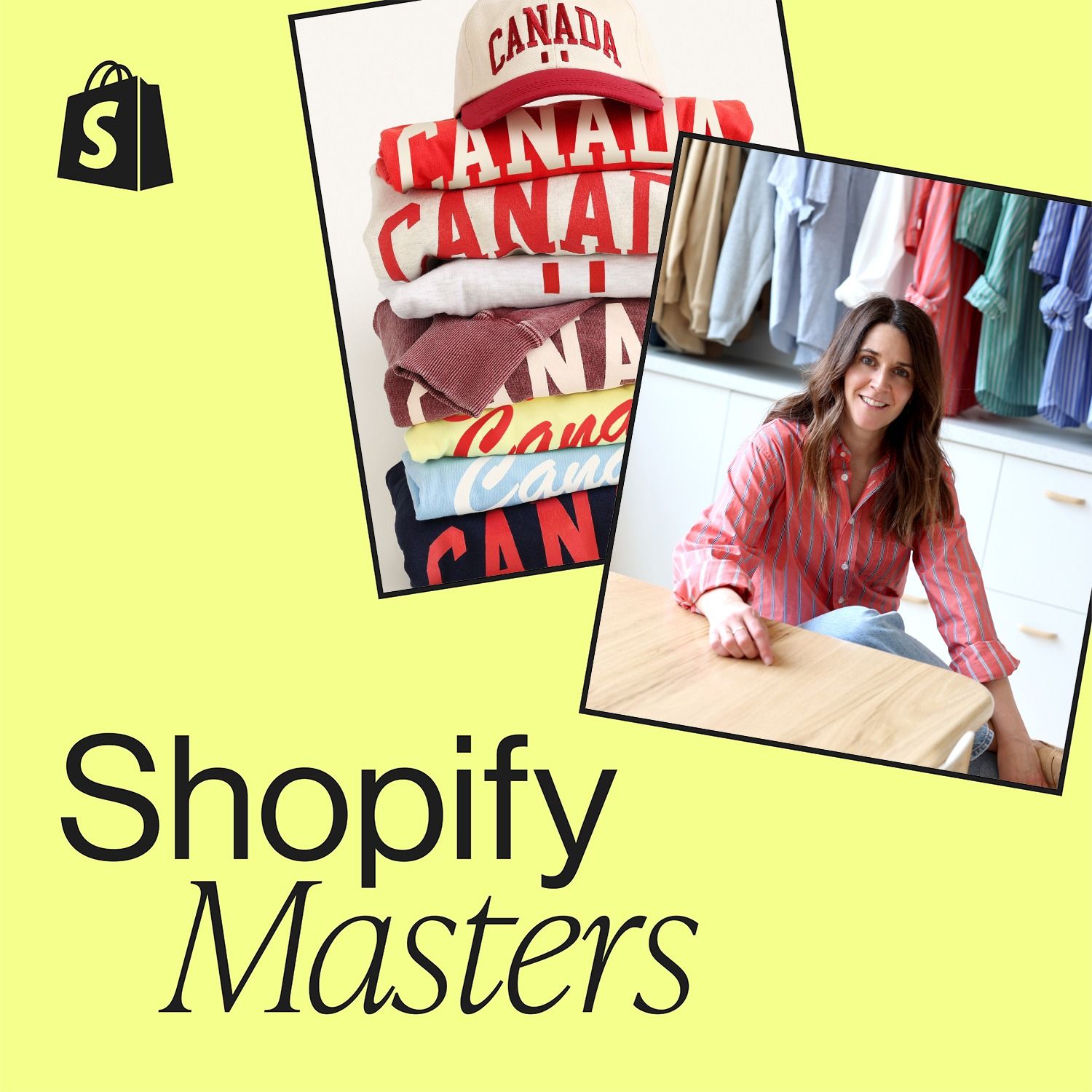
Province of Canada intentionally built an 'anti-fashion' brand by focusing on timeless basics rather than seasonal collections. This simplifies inventory, creates dependable products for customers, and allowed them to avoid the high-pressure, discount-driven wholesale cycle, leading to a more stable business.
After eight years of stagnation, Sonya Lee's founder created her first business plan. This exercise forced her to confront that her margins were completely unsustainable for growth. The plan became the key to securing a bank loan and redesigning her business model around profitability, leading to exponential year-over-year growth.
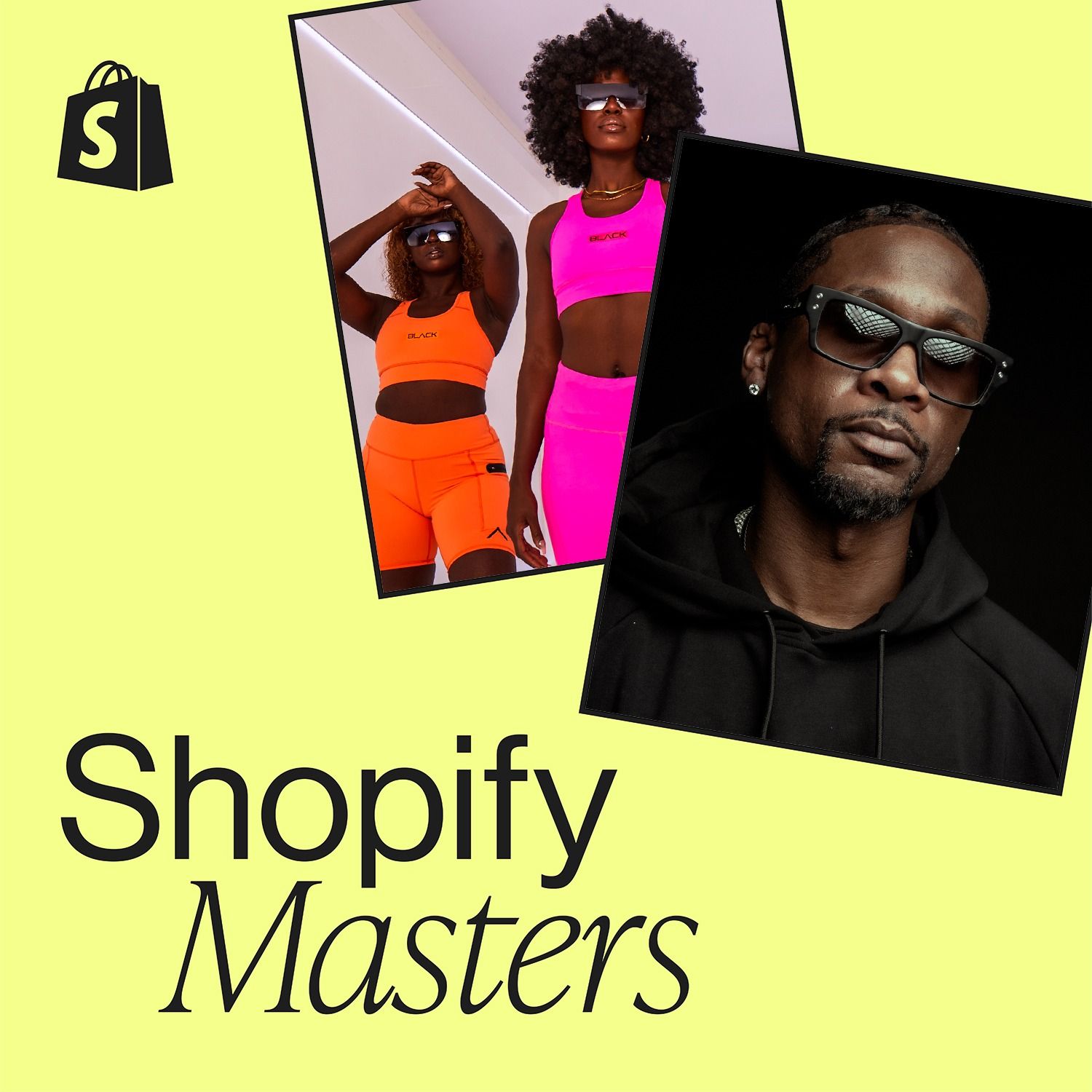
Instead of just reshoring manufacturing, Actively Black partnered with Black-owned cotton farms, transforming a logistical decision into a powerful brand narrative of "reclamation." This turned a product collection into one of their best-sellers, proving that supply chain choices can be a potent marketing tool.
Counterintuitively, focusing on a single, powerful SKU can be more effective for initial growth than launching a full product line. It simplifies your message, makes you attractive to distributors who value efficiency, and builds a strong customer base before you introduce new offerings.

Eliminating a popular and profitable product line can be a wise long-term strategy. If a product, even a bestseller, creates brand confusion or pulls focus from your core vision, cutting it can strengthen your primary brand's identity and lead to more dedicated growth.
Starting with drop shipping proved the concept but offered unsustainable margins. The pivot to in-house apparel manufacturing unlocked significantly higher profits (from a £2 margin to £15). This allowed them to reinvest capital back into the business, fueling actual growth.
Actively Black created a powerful brand narrative by building a 'Black owned supply chain,' using cotton from Black farmers for a 'Made in America' collection. This story of economic reclamation resonated so strongly with customers that it became a top-selling product line, proving a meaningful supply chain can be a brand's most compelling feature.
