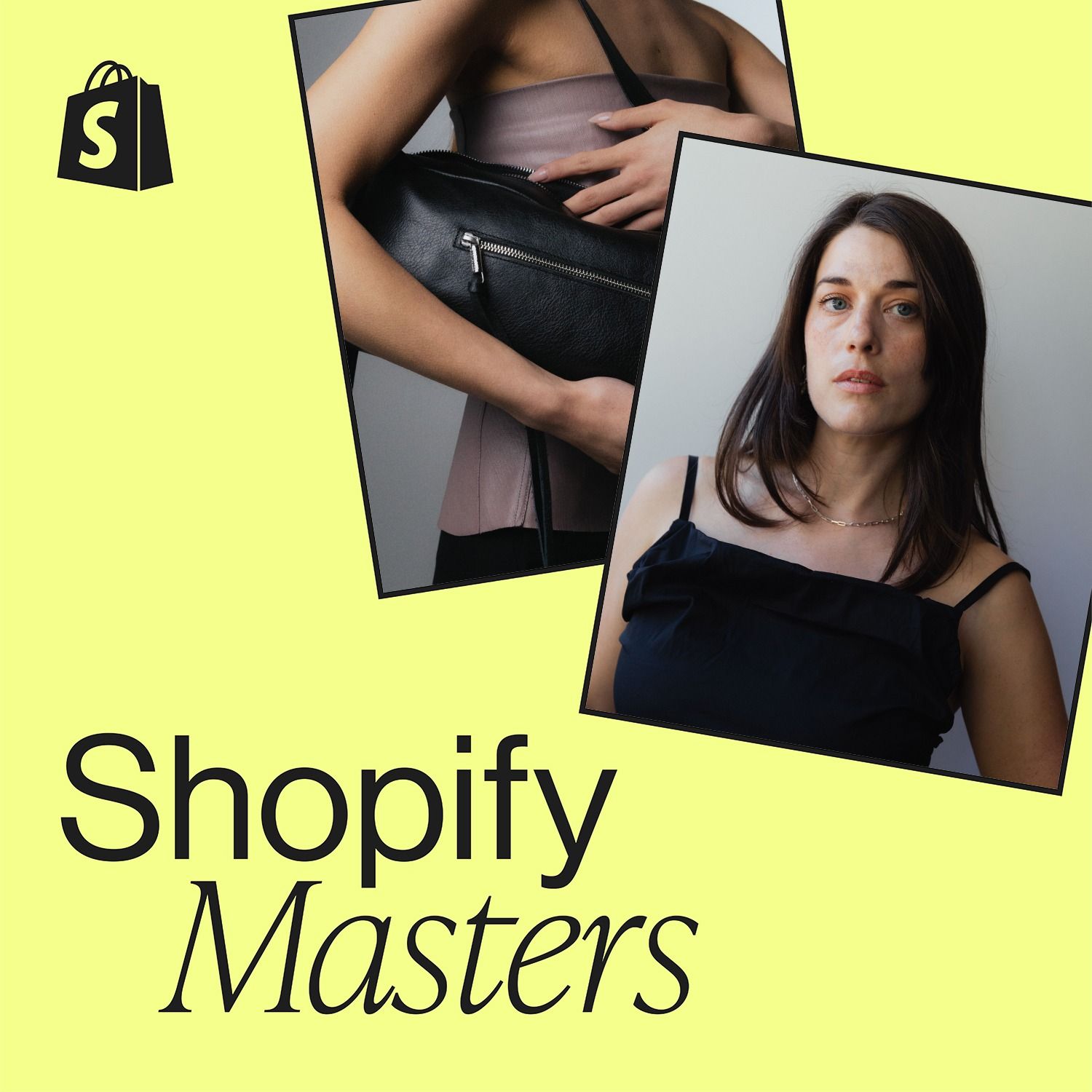
After eight years of stagnation, Sonya Lee's founder created her first business plan. This exercise forced her to confront that her margins were completely unsustainable for growth. The plan became the key to securing a bank loan and redesigning her business model around profitability, leading to exponential year-over-year growth.
By eliminating seasonal colors to focus only on her bestseller—black—handbag brand Sonya Lee could place larger bulk leather orders. This allowed her to bypass wholesalers and source directly from a premium tannery, dramatically improving margins, ensuring material traceability, and making capital more efficient.
To scale production while maintaining quality, Sonya Lee uses millimeter-level sewing tolerances and precise guides, removing all guesswork. This operational rigidity creates product consistency. Paradoxically, this frees up staff's mental energy, allowing the founder to delegate creative tasks like styling and new product design, which fosters team ownership.
Handbag founder Stephanie Ippesen found that products designed from customer aesthetic suggestions failed, while those from her own intuition were bestsellers. She learned to filter feedback, implementing functional requests like strap length or zipper closures, while retaining full creative control over the brand's style and design.
For years, Sonya Lee's founder was financially supported by her husband, stuck on a "hamster wheel" of just sustaining her studio. The emotional and financial strain became untenable, creating a one-year "pressure cooker" ultimatum. This crisis forced a complete business re-evaluation that she had avoided for years, ultimately leading to success.
Sonya Lee targets educated consumers skeptical of traditional luxury markups. By sourcing directly from a certified tannery, the brand can prove its leather's origin—from a specific farm to the final product. This radical transparency builds trust, justifies its price point, and differentiates it from competitors who obscure their supply chains.