Get your free personalized podcast brief
We scan new podcasts and send you the top 5 insights daily.
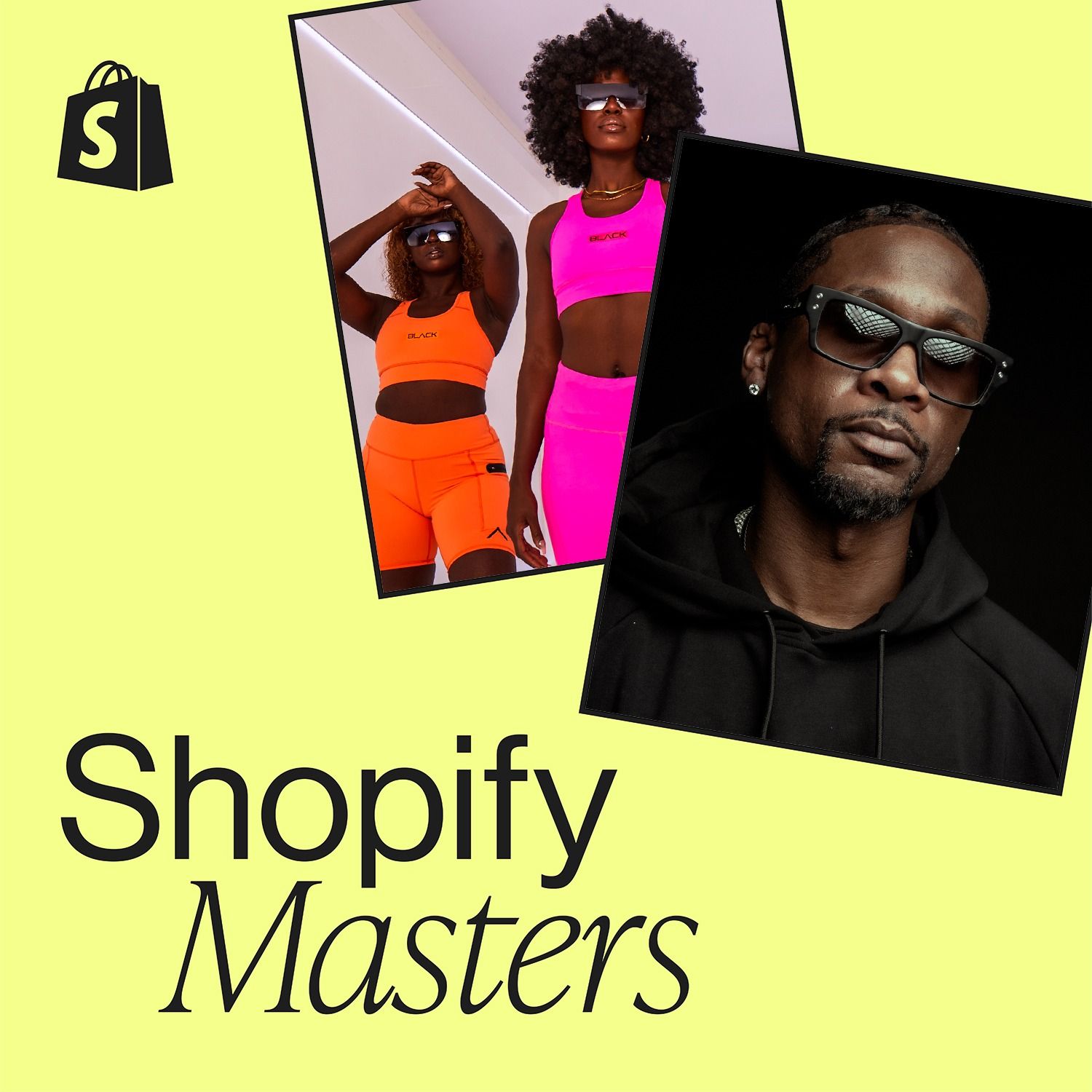
Instead of just reshoring manufacturing, Actively Black partnered with Black-owned cotton farms, transforming a logistical decision into a powerful brand narrative of "reclamation." This turned a product collection into one of their best-sellers, proving that supply chain choices can be a potent marketing tool.
Related Insights
To truly change a brand's narrative, marketing's 'talking the talk' is insufficient. The product experience itself must embody the desired story. This 'walking the walk' through the product is the most powerful way to shape core brand perception and make the narrative shareable.

Lanny Smith was initially uncomfortable being the public face of Actively Black. He found, however, that sharing his personal story and motivations created a deeper customer connection than any marketing campaign could, making his authentic narrative the brand's most powerful growth tool.
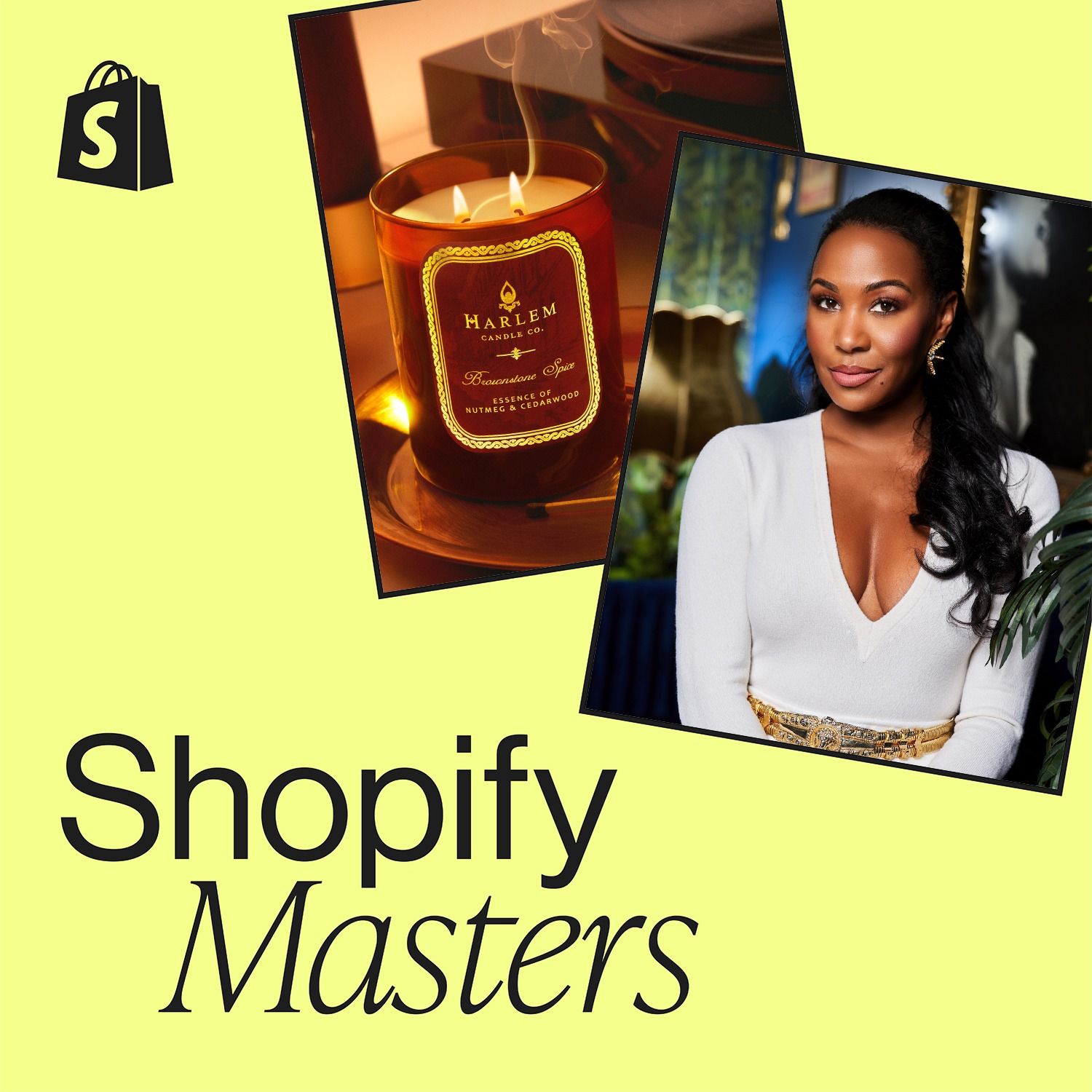
To stand out in the saturated candle market, founder Terry Johnson drew from her personal passion for the Harlem Renaissance, inspired by her time studying in Paris. This authentic connection to a specific cultural history gave the brand a unique “soul” that resonated deeply with customers.
Mainstream fashion labels were popular in the hip-hop community but remained aloof and even disrespectful towards how their products were being used. FUBU's success was rooted in its authentic mission to create a brand that genuinely valued, supported, and was made "For Us, By Us," filling a void of respect left by incumbent players.

For premium brands like Coterie, the choice of retail partner is a branding decision. A retailer's reputation for quality reinforces the product's own values, while a poor retail environment like a messy shelf can actively dilute brand equity.

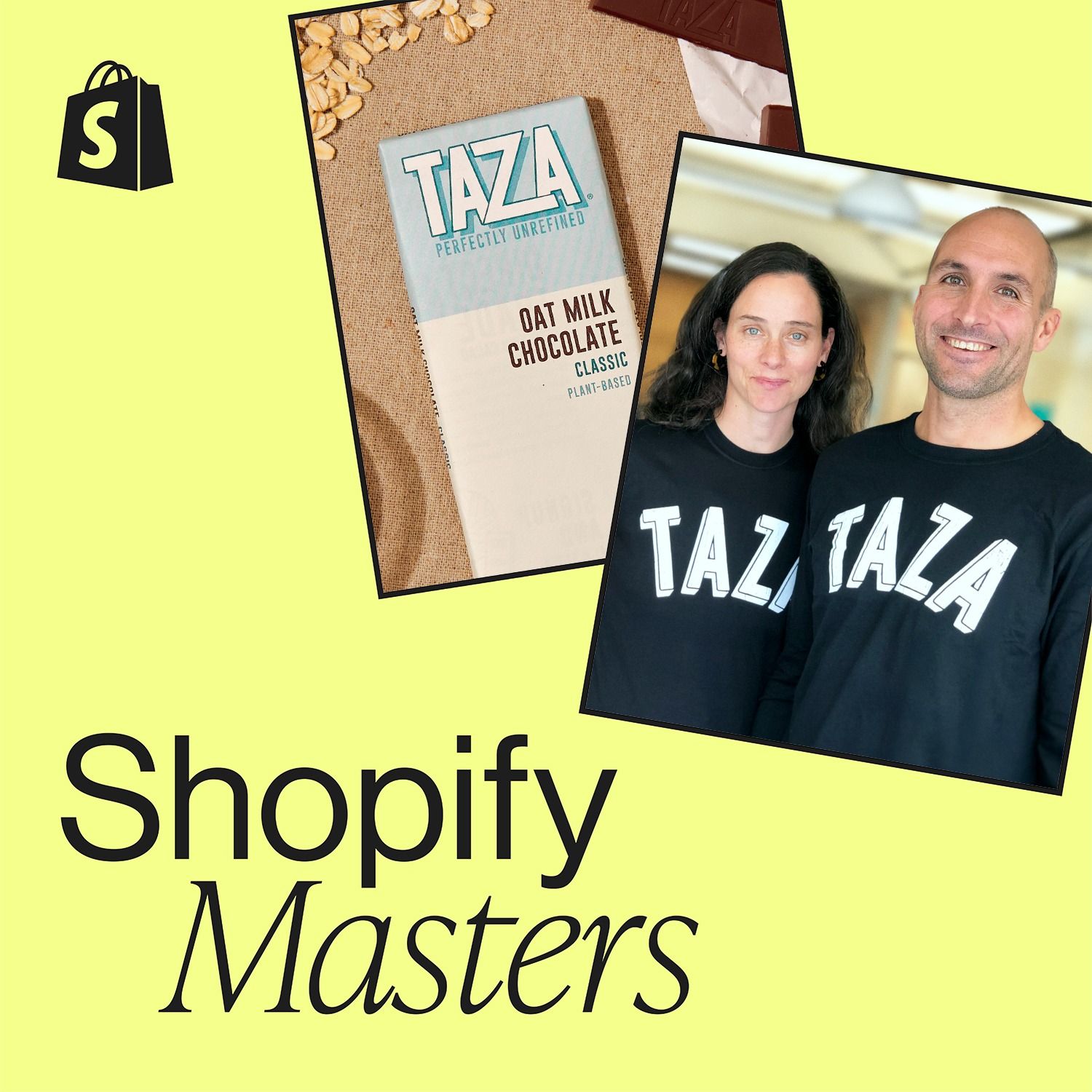
Taza pioneered "Direct Trade Cacao" but instead of guarding it as a trade secret, they openly shared the model. This encouraged competitors to adopt similar ethical sourcing practices, which helped build consumer trust and grow the entire premium chocolate market, benefiting Taza as a market leader.
Founder Lanny Smith was so inspired by the first Black Panther movie that he created a detailed collaboration deck long before any connection to Disney. When an opportunity arose via Daymond John, he was immediately ready, showing how proactive vision turns aspirational partnerships into reality.
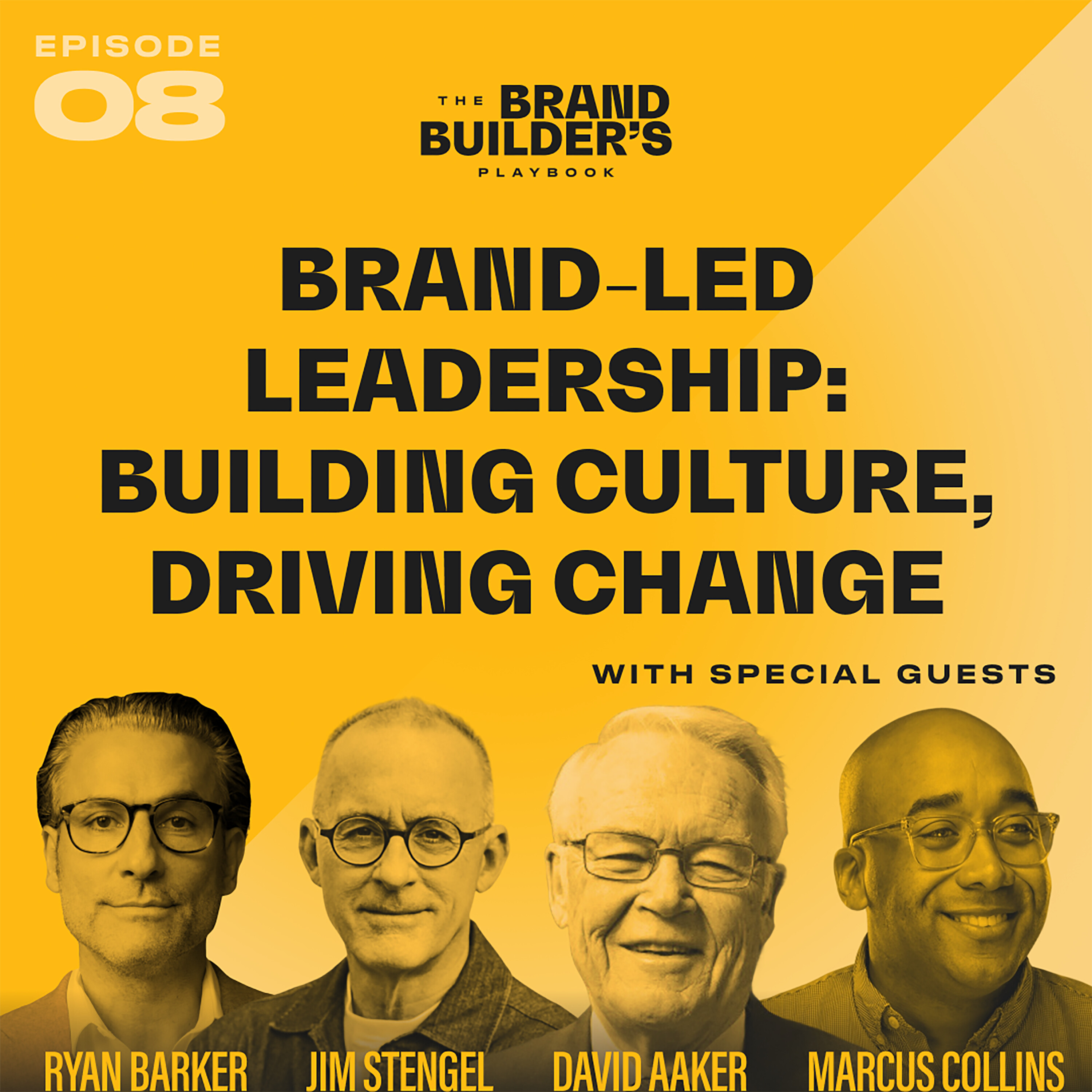
David Aaker reframes social purpose not just as philanthropy but as a strategic tool to inject energy into low-interest product categories. He cites Dove's "Real Beauty" campaign, which attached the brand to an energizing social program and grew the business from $2.6B to $6.5B as a result.
Actively Black created a powerful brand narrative by building a 'Black owned supply chain,' using cotton from Black farmers for a 'Made in America' collection. This story of economic reclamation resonated so strongly with customers that it became a top-selling product line, proving a meaningful supply chain can be a brand's most compelling feature.

LoveSack operated successfully for years based on product instinct alone. However, transformational growth occurred only after the company intentionally defined its core brand philosophy—'Designed for Life'—and then amplified that clear message with advertising. This shows that a well-defined brand story is a powerful, distinct growth lever, separate from initial product-market fit.