Get your free personalized podcast brief
We scan new podcasts and send you the top 5 insights daily.
For brands targeting customers with past negative experiences (e.g., fragrance for the allergy-prone), convincing them a product is safe is a slow process. A better strategy is to create a brand that appeals to everyone, which happens to also serve the niche.

Related Insights
Numi's undershirts are used by nurses, flight attendants, and menopausal women, but their marketing focuses narrowly on the "professional woman." This avoids diluting the message. Trying to speak to everyone results in speaking to no one; a narrow focus creates a stronger brand identity and more effective campaigns.
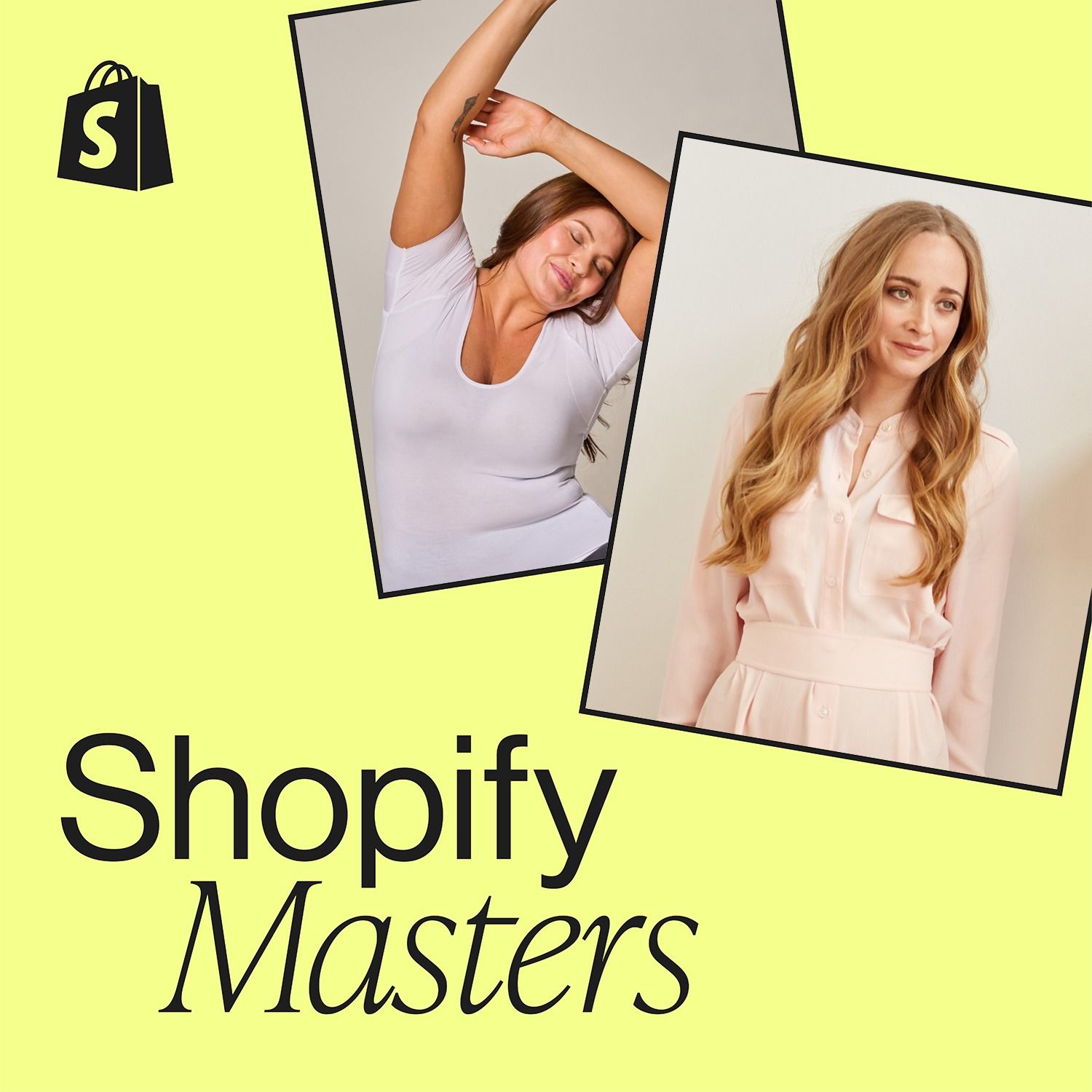
Despite concerns they were alienating male customers, the founders followed key advice to "double down on being niche." Focusing intently on a specific female persona allowed them to build a stronger, more intentional brand identity that ultimately created a cult following.

Stuckey's, a nostalgic snack brand, wants to appeal to a new generation. The counterintuitive advice is to first double down on its existing, older customer base that already has brand recognition. Tapping out this core market is a more efficient first step than building awareness from scratch with a new demographic.
A perceived product flaw can be a primary value proposition for a different type of customer. For example, a diffuse global audience, useless to local venues, becomes a powerful asset for organizations aiming for international reach, unlocking a new market.

Instead of diluting messaging to appeal to everyone, embrace what makes your product unique—even a polarizing ingredient. Targeting the passionate niche who loves that ingredient creates powerful evangelists and a strong initial base, which is more effective than achieving a broad, lukewarm reception.
When marketing a product for a sensitive issue like incontinence, the founder's personal journey is the most authentic asset. Alida's founder, with her engineering background and direct experience, is urged to be the central influencer for her brand to overcome stigma and build customer trust.
When introducing an unfamiliar concept (like 'Sumo Yoga'), don't make it the primary marketing message. Instead, lead with the compelling, easily understood story of the core product (a natural, superior yoga mat). This reduces customer friction and creates an entry point, allowing you to introduce the broader brand concept later.
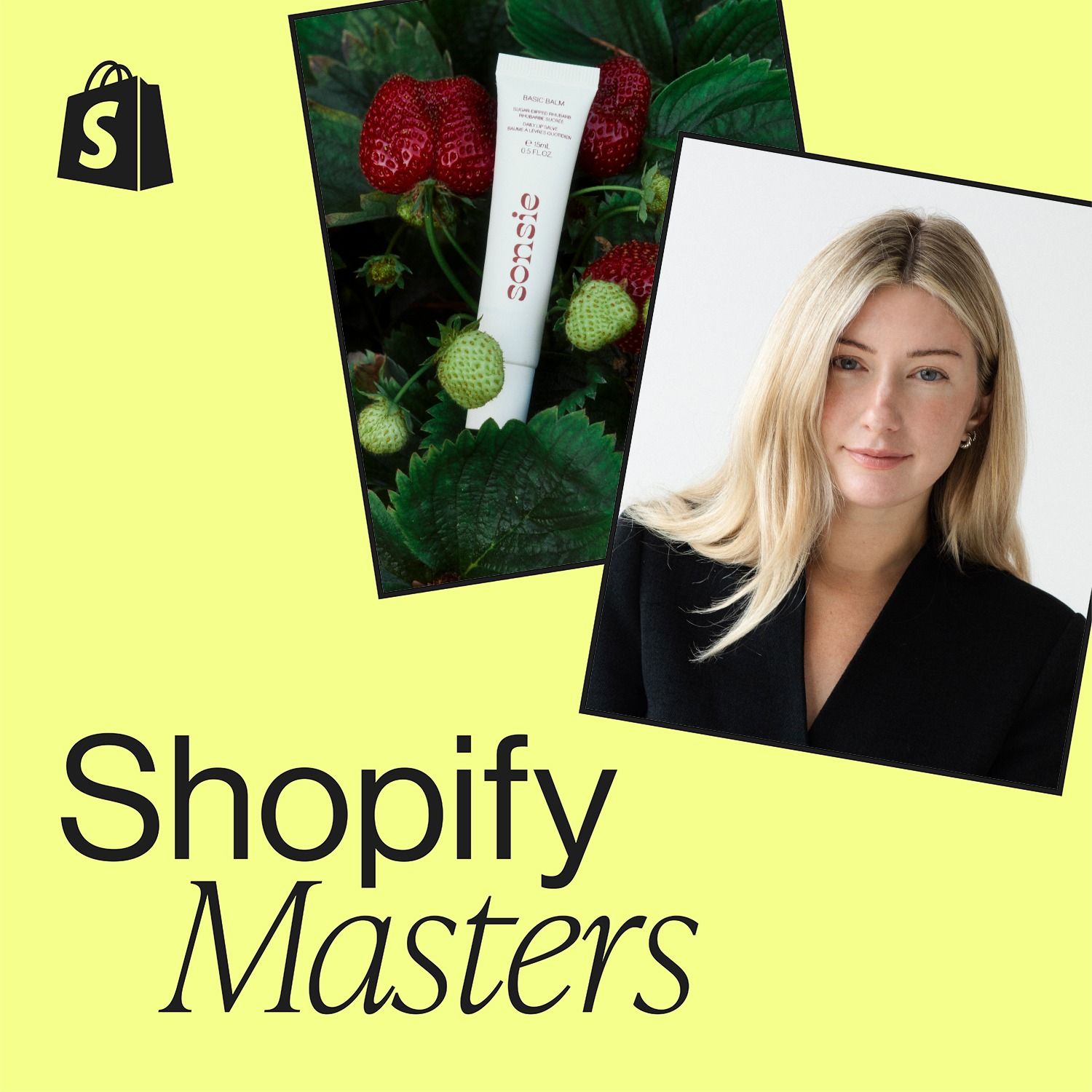
The 'clean beauty' movement has unfairly demonized all fragrances. In reality, many natural essential oils contain high levels of allergens. Sonsie Skin educates its customers that safe synthetic ingredients can be less irritating and still provide a luxury experience, challenging industry dogma.
Changing ingrained consumer behavior is incredibly difficult. A more effective strategy is to understand the customer's current world—how they shop and where they look for products—and insert your brand into those existing patterns rather than attempting to create entirely new behaviors from scratch.
For a niche product like non-fluoride toothpaste, the strategy is not to change everyone's habits at once. Instead, hyper-focus on a pre-existing community—a 'tribe' that already shares strong beliefs and will act as natural evangelists, amplifying the product's message organically within their network.