Get your free personalized podcast brief
We scan new podcasts and send you the top 5 insights daily.
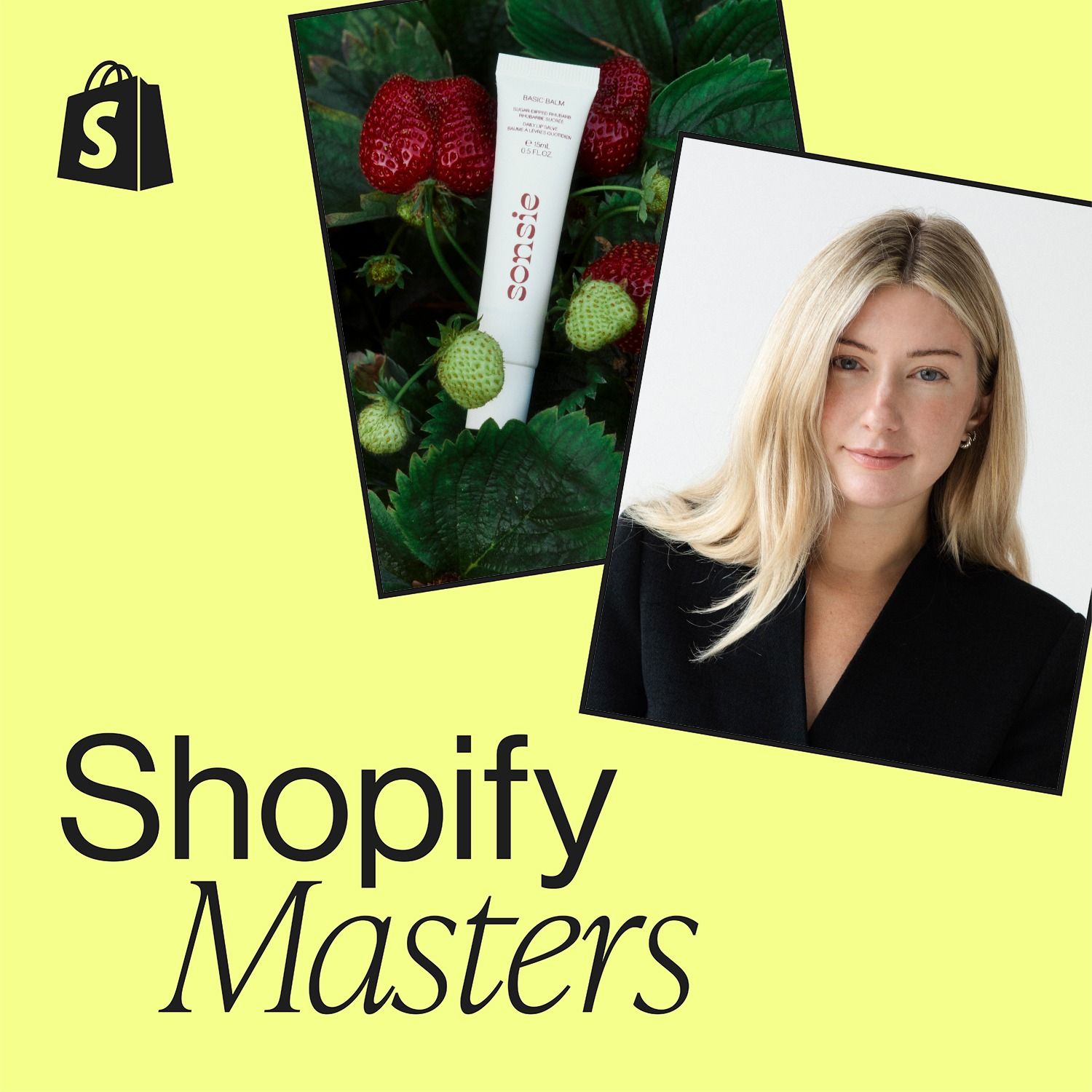
The 'clean beauty' movement has unfairly demonized all fragrances. In reality, many natural essential oils contain high levels of allergens. Sonsie Skin educates its customers that safe synthetic ingredients can be less irritating and still provide a luxury experience, challenging industry dogma.
Related Insights
Contrary to the belief that clean beauty appeals primarily to younger demographics, 80% of Sonsie's customers are 45+. This audience, often transitioning from legacy luxury brands, is receptive to Sonsie's accessible price point, transparency, and high-performance formulas without heavy fragrances.
For natural products with inherent 'flaws' like liquid separation, a better strategy than using unnatural additives is to proactively educate customers. Use packaging and marketing to frame the flaw as an expected, natural occurrence, thereby preserving product integrity while managing customer expectations.
The success of science-first brands like OneSkin signals a market shift. The Millennial obsession with "clean, natural, organic" is giving way to a new focus on "clinical," lab-proven efficacy. This trend is visible across beauty (Botox), wellness (Ozempic), and food (protein additives), favoring chemistry and results over purity.

Consumers are trained by food packaging to look for simple, bold 'macros' (e.g., '7g Protein,' 'Gluten-Free'). Applying this concept to non-food items by clearly stating key attributes ('Chemical-Free,' 'Plant-Based') on the packaging can rapidly educate consumers at the point of purchase and differentiate the product.

Environmentally friendly products often fail to gain mass adoption based on their eco-credentials alone. To break through, they should emulate brands like Tesla and Method Soap by focusing on superior design and branding to become desirable, elevated products that also happen to be sustainable.
When developing a new 'clean' beauty product, formulators often mistakenly benchmark only against existing clean competitors. This limits innovation. By benchmarking against top-performing conventional products, brands can achieve superior performance without compromising on 'clean' standards.
Founder Catherine Lockhart couldn't find a lab willing to work with her core ingredient (tallow) or meet her budget. She opted for the harder path of in-house manufacturing, which gave her full control over formulas and the ability to pivot quickly after launch issues.
For sophisticated consumers, branding based on unsubstantiated luxury materials can create skepticism. A marketing message focused on scientific proof, tangible benefits, and performance can be more compelling and build greater trust, especially for a high-price-point product.
Kaylee Bratt learned from her first brand, Sesto, that consumers prioritize efficacy. People won't buy a sustainable product if it doesn't work well. Performance must be the primary message, with sustainability as a supporting benefit, not the sole purchasing driver.
To educate consumers on complex topics like sustainability without sounding preachy or being accused of greenwashing, Sonsie uses playful, curiosity-driven marketing. Their 'Garden Girl' campaign sparks questions (e.g., 'why are they planting plastic?') that lead consumers to discover their compostable packaging.