Get your free personalized podcast brief
We scan new podcasts and send you the top 5 insights daily.
For a niche product like non-fluoride toothpaste, the strategy is not to change everyone's habits at once. Instead, hyper-focus on a pre-existing community—a 'tribe' that already shares strong beliefs and will act as natural evangelists, amplifying the product's message organically within their network.

Related Insights
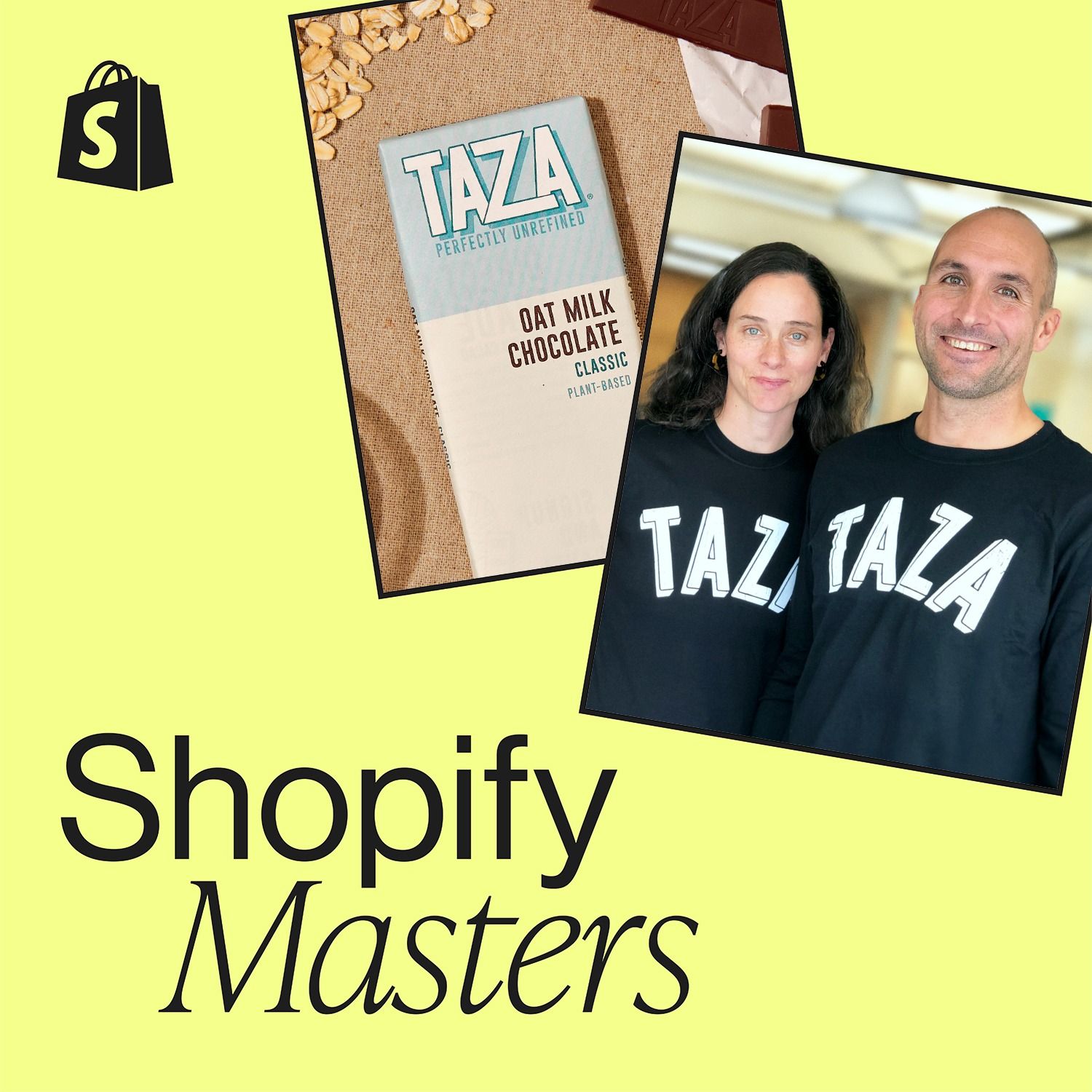
In a market dominated by corporations, Taza found a defensible niche by making a "polarizing" stone-ground chocolate. This strategy of appealing intensely to a core group, rather than pleasing the mass market, was key to their survival and success as a small business.
"Culture" is often used too broadly. Brands should focus on "Little C" culture by tapping into existing pillars like music or sports. "Big C" culture—macro societal shifts—is a rare feat achievable only by platform-level brands like TikTok.

Stuckey's, a nostalgic snack brand, wants to appeal to a new generation. The counterintuitive advice is to first double down on its existing, older customer base that already has brand recognition. Tapping out this core market is a more efficient first step than building awareness from scratch with a new demographic.
Instead of spending big on trendy mega-influencers, Gamma found success by scaling relationships with thousands of micro-influencers in niche, high-trust "echo chambers" like education. These smaller, authentic voices spread like wildfire within their communities, driving more effective growth.

True influence in niche communities often lies with respected experts who lack a large social media presence. Building relationships with these 'invisible influencers,' like dedicated ski bums, by providing free products can generate powerful, authentic word-of-mouth credibility.

Don't dismiss the success of celebrity brands as unattainable. Instead, analyze the core mechanism: massive 'free reach' and 'memory generation.' The takeaway isn't to hire a celebrity, but to find your own creative ways to generate a similar level of organic attention and build a tribe around your brand.

Unlike previous eras focused on broad, mass-market appeal, today's winning marketing strategy builds and mobilizes deep, committed tribes of followers. This 'cult and tribe' approach, exemplified by Elon Musk, secures capital, customers, and talent by fostering a phalanx of true believers.

The pinnacle of branding is achieving "tribal belonging." At this stage, customers don't just consume the brand; they co-own it and become its most powerful advocates. The brand's community can sustain its power even in the absence of the core product.

Changing ingrained consumer behavior is incredibly difficult. A more effective strategy is to understand the customer's current world—how they shop and where they look for products—and insert your brand into those existing patterns rather than attempting to create entirely new behaviors from scratch.
Trying to appeal to everyone from the start creates a weak brand with no impact, like a small bush. Instead, focus intensely on one core promise for one clear demographic. This builds a strong foundational 'trunk,' allowing you to branch out with stability and greater reach later on.
