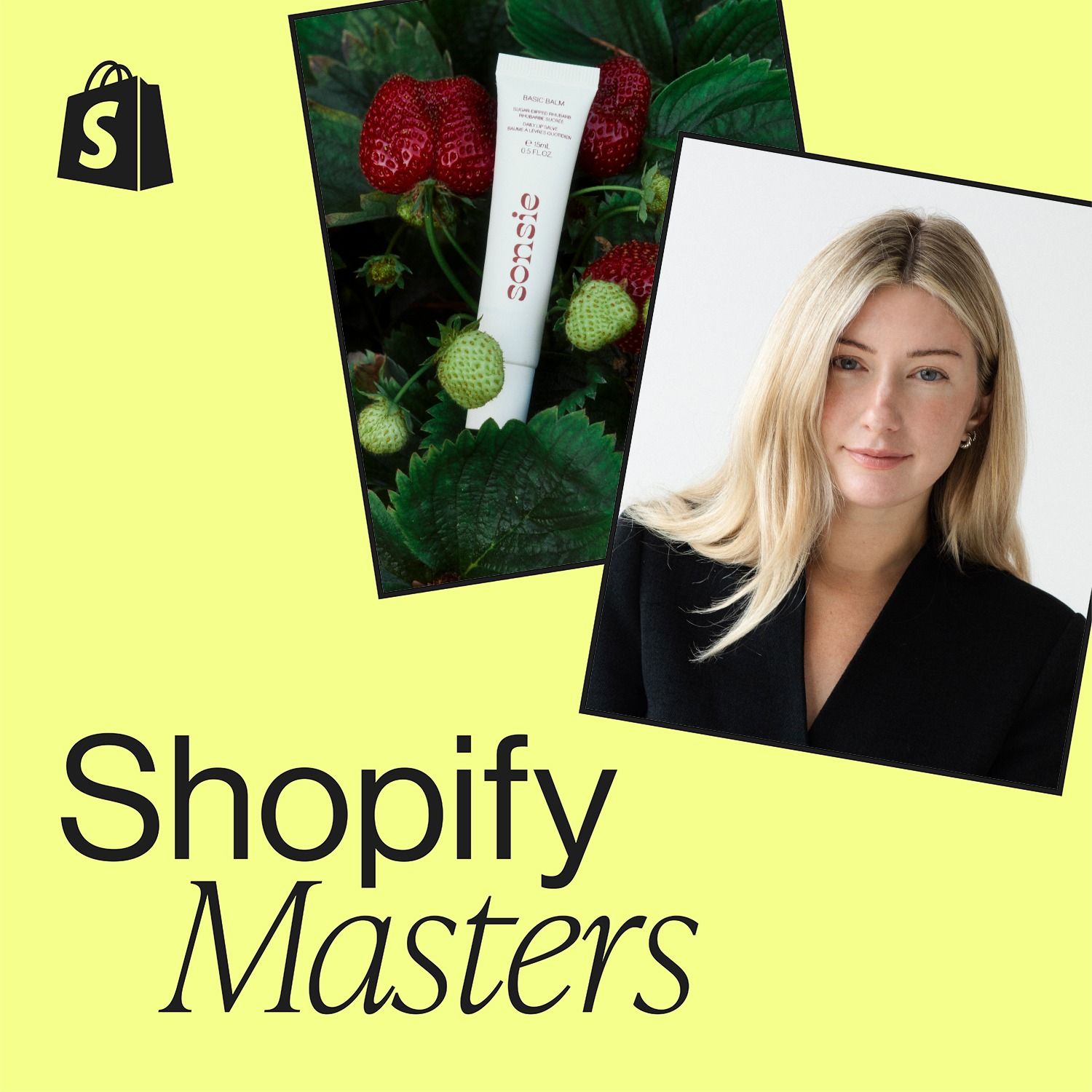
Kaylee Bratt learned from her first brand, Sesto, that consumers prioritize efficacy. People won't buy a sustainable product if it doesn't work well. Performance must be the primary message, with sustainability as a supporting benefit, not the sole purchasing driver.
When developing a new 'clean' beauty product, formulators often mistakenly benchmark only against existing clean competitors. This limits innovation. By benchmarking against top-performing conventional products, brands can achieve superior performance without compromising on 'clean' standards.
The 'clean beauty' movement has unfairly demonized all fragrances. In reality, many natural essential oils contain high levels of allergens. Sonsie Skin educates its customers that safe synthetic ingredients can be less irritating and still provide a luxury experience, challenging industry dogma.
Contrary to the belief that clean beauty appeals primarily to younger demographics, 80% of Sonsie's customers are 45+. This audience, often transitioning from legacy luxury brands, is receptive to Sonsie's accessible price point, transparency, and high-performance formulas without heavy fragrances.
To educate consumers on complex topics like sustainability without sounding preachy or being accused of greenwashing, Sonsie uses playful, curiosity-driven marketing. Their 'Garden Girl' campaign sparks questions (e.g., 'why are they planting plastic?') that lead consumers to discover their compostable packaging.
Game-changing sustainable materials, like Sonsie's at-home compostable packaging, already exist. The primary barrier to mainstream use isn't a lack of innovation but slow adoption by brands. Widespread adoption is required to increase manufacturing volume, drive down costs, and make sustainability the standard.
While online analytics are useful, in-person events provide invaluable, unfiltered customer feedback. Sonsie's team observed live interactions at a pop-up and immediately updated their website's product descriptions and FAQs based on the exact questions and surprising perceptions they heard.
A product's packaging can create incorrect assumptions based on a demographic's past experiences. Older consumers at a Sonsie pop-up assumed a lip balm in a squeeze tube was a sticky 'lip gloss' because, for their generation, that format was exclusively used for glosses.
The transition from founder to CEO shouldn't temper the core belief that your company can create massive change. That passion must remain. What should evolve is the execution strategy—moving from pure intuition to structured planning, financial literacy (e.g., understanding a P&L), and leveraging past experiences.