Get your free personalized podcast brief
We scan new podcasts and send you the top 5 insights daily.
When marketing a product for a sensitive issue like incontinence, the founder's personal journey is the most authentic asset. Alida's founder, with her engineering background and direct experience, is urged to be the central influencer for her brand to overcome stigma and build customer trust.

Related Insights
Auntie Anne's PR strategy was centered on founder Anne Beiler's personal, faith-driven story of receiving a "miraculous" recipe. Her dream was to appear on a specific Christian talk show to share this testimony. By making her personal journey the core of the brand narrative, the company created a compelling identity that fueled its franchise growth.

Contrary to the belief that businesses must appear flawless, sharing behind-the-scenes struggles and unpolished content can build stronger community and loyalty. This raw authenticity resonates more with audiences than a curated image, humanizing the brand and making customers feel like part of the journey.
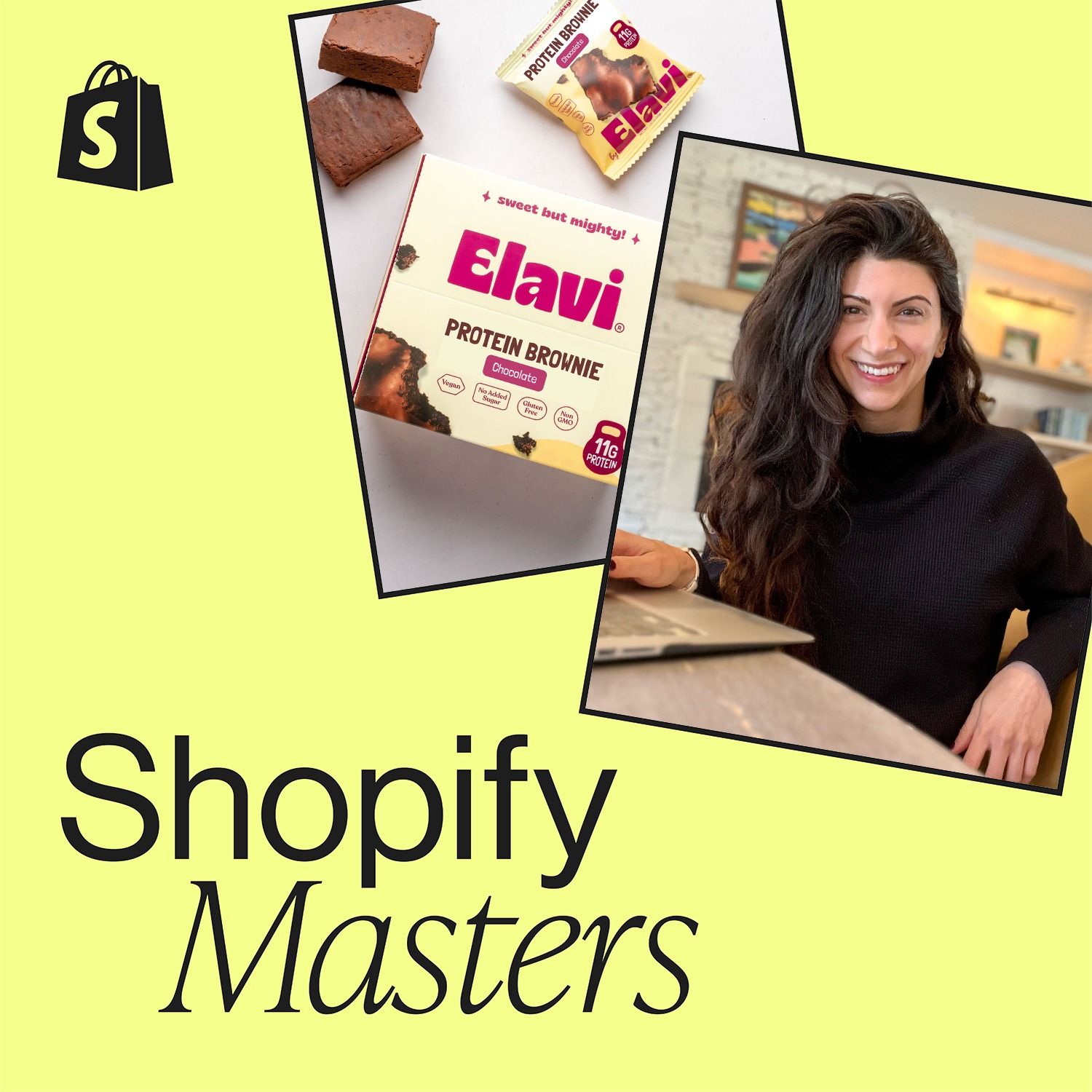
Lanny Smith was initially uncomfortable being the public face of Actively Black. He found, however, that sharing his personal story and motivations created a deeper customer connection than any marketing campaign could, making his authentic narrative the brand's most powerful growth tool.

Instead of leading all content, a founder can be 'involved' by making periodic appearances in company content or influencer collaborations. This provides authenticity without the full-time burden of being a creator, acting as a valuable experiment.

The marketing playbook has shifted from promoting products to promoting the personality behind them (e.g., Tesla is Elon Musk). A company without a founder or CEO who can act as a public "character" struggles to gain traction, as corporate messaging accounts are no longer effective in a noisy media environment.

The nature of marketing has shifted from promoting a faceless corporation to showcasing an authentic founder personality. Companies without an interesting character at the helm are at a disadvantage. This requires leaders to be public figures, as their personal brand, story, and voice are now integral to the company's identity and success.

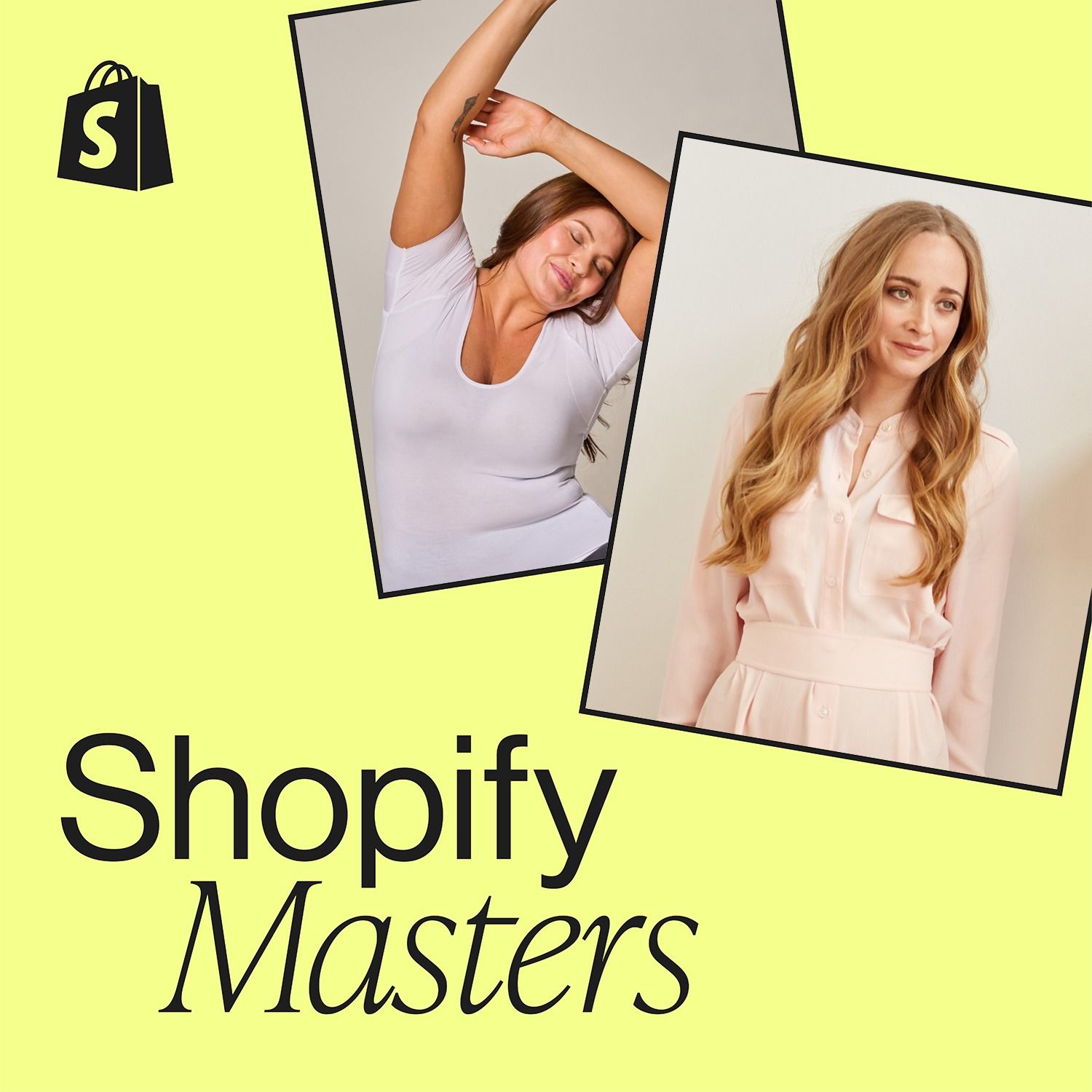
To overcome the social stigma around sweating, Numi's founder stopped talking about the customer's problem and started with her own. By saying "I had this problem," she disarmed potential customers, created an immediate sense of community, and made it safe for them to admit they had the same issue.
The era of simply 'slapping a celebrity face' on a product is over. Modern consumers demand authenticity. Successful brands like Fenty and Rare Beauty thrive because their founders are deeply involved, knowledgeable about the products, and genuinely connected to a larger mission, such as inclusivity or mental health.

To resonate with today's savvy consumers, a brand's voice cannot be faked. It must be a genuine extension of the founder's core mission and values. If there's an emotional disconnect between the brand's message and its creator's beliefs, customers will sense the inauthenticity and turn away.
In a product-led world, the B2B concept of 'founder-led sales' evolves into 'founder-led marketing.' Founders must deeply own the brand's narrative. This means personally onboarding key influencers and being the first to learn how to tell the story broadly, ensuring the message is right before scaling the function.