Get your free personalized podcast brief
We scan new podcasts and send you the top 5 insights daily.
Despite concerns they were alienating male customers, the founders followed key advice to "double down on being niche." Focusing intently on a specific female persona allowed them to build a stronger, more intentional brand identity that ultimately created a cult following.

Related Insights
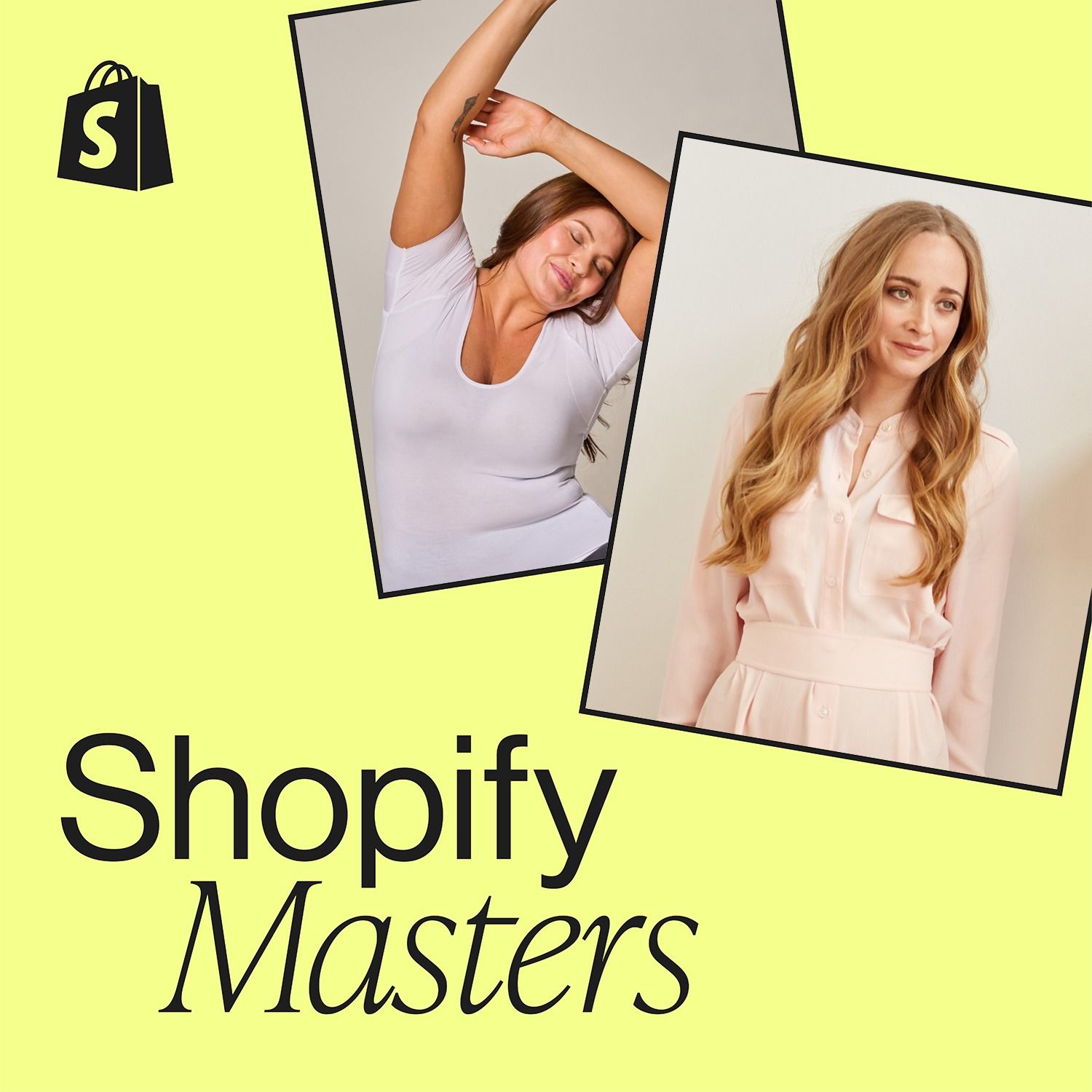
Numi's undershirts are used by nurses, flight attendants, and menopausal women, but their marketing focuses narrowly on the "professional woman." This avoids diluting the message. Trying to speak to everyone results in speaking to no one; a narrow focus creates a stronger brand identity and more effective campaigns.
In a market dominated by corporations, Taza found a defensible niche by making a "polarizing" stone-ground chocolate. This strategy of appealing intensely to a core group, rather than pleasing the mass market, was key to their survival and success as a small business.
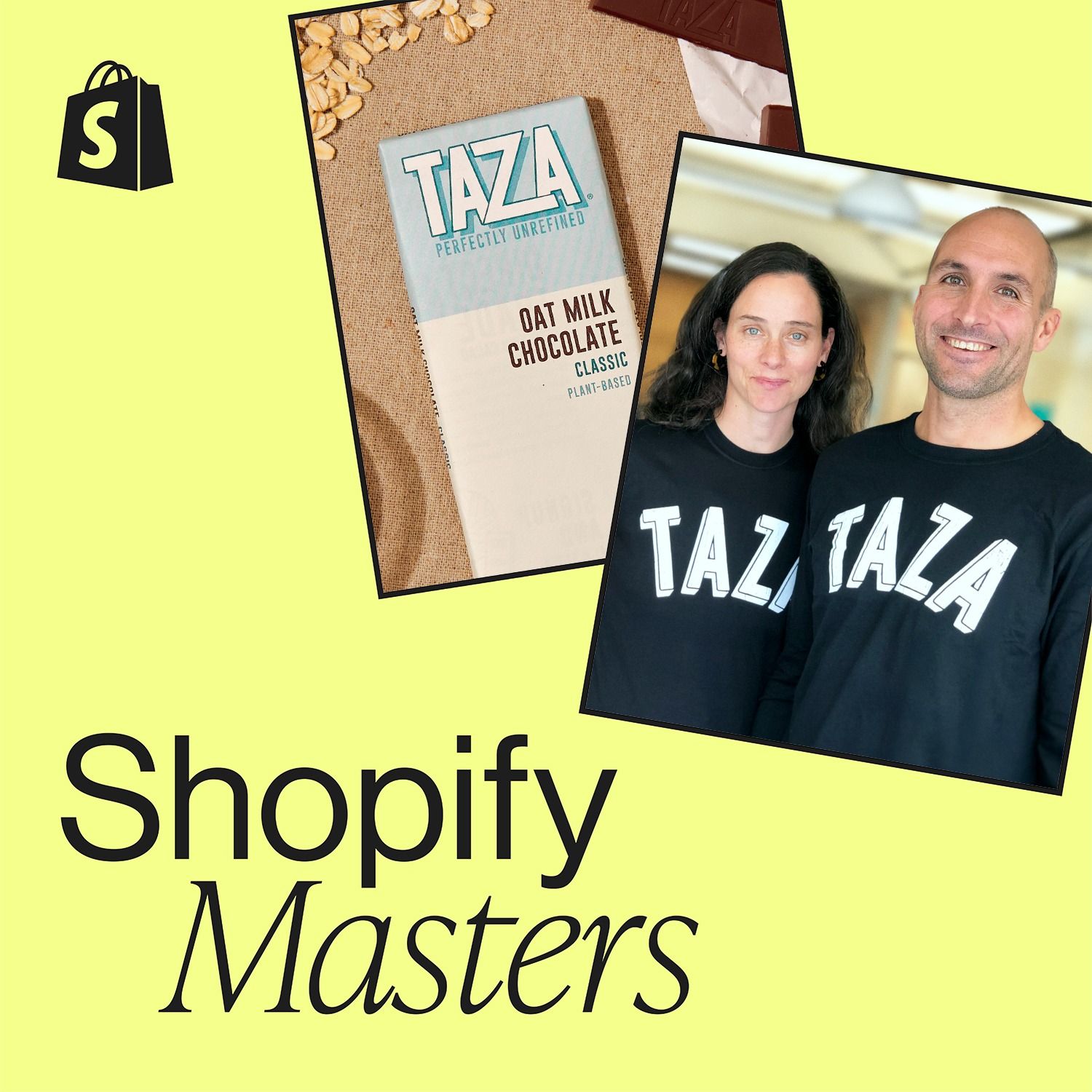
Instead of diluting messaging to appeal to everyone, embrace what makes your product unique—even a polarizing ingredient. Targeting the passionate niche who loves that ingredient creates powerful evangelists and a strong initial base, which is more effective than achieving a broad, lukewarm reception.

Instead of creating a resort that was 'okay for everybody,' Sandals founder Butch Stewart made it 'great for one killer use case.' By positioning as 'couples only,' he eliminated the conflict between romantic vacationers and families with kids, creating a premium, focused brand that owned its niche.

The founders started a TikTok series documenting their journey of quitting corporate jobs to start a pickle company months before launch. They sold their story as a "TV show," attracting a loyal following invested in them as people, not just a product.
Taza's attempts to go mass-market with lower prices or "fun flavors" failed. They found success by listening to their core customers who wanted intense cacao flavor. Their #1 selling product, a 95% dark bar, proved the value of doubling down on their super-niche identity.
The meat snack category is traditionally masculine. Chomps followed suit until data revealed their "healthy achiever" customer was predominantly female. This insight prompted a total rebrand, shifting from a generic "cow brand" logo to a more fun, approachable identity that resonated and unlocked growth.

The founders identified a mismatch between the modern, Gen Z pickle consumer on TikTok and the outdated, homogenous branding on store shelves. By targeting a neglected category with bold design and unique flavors, they faced less competition and stood out to both consumers and retail buyers.
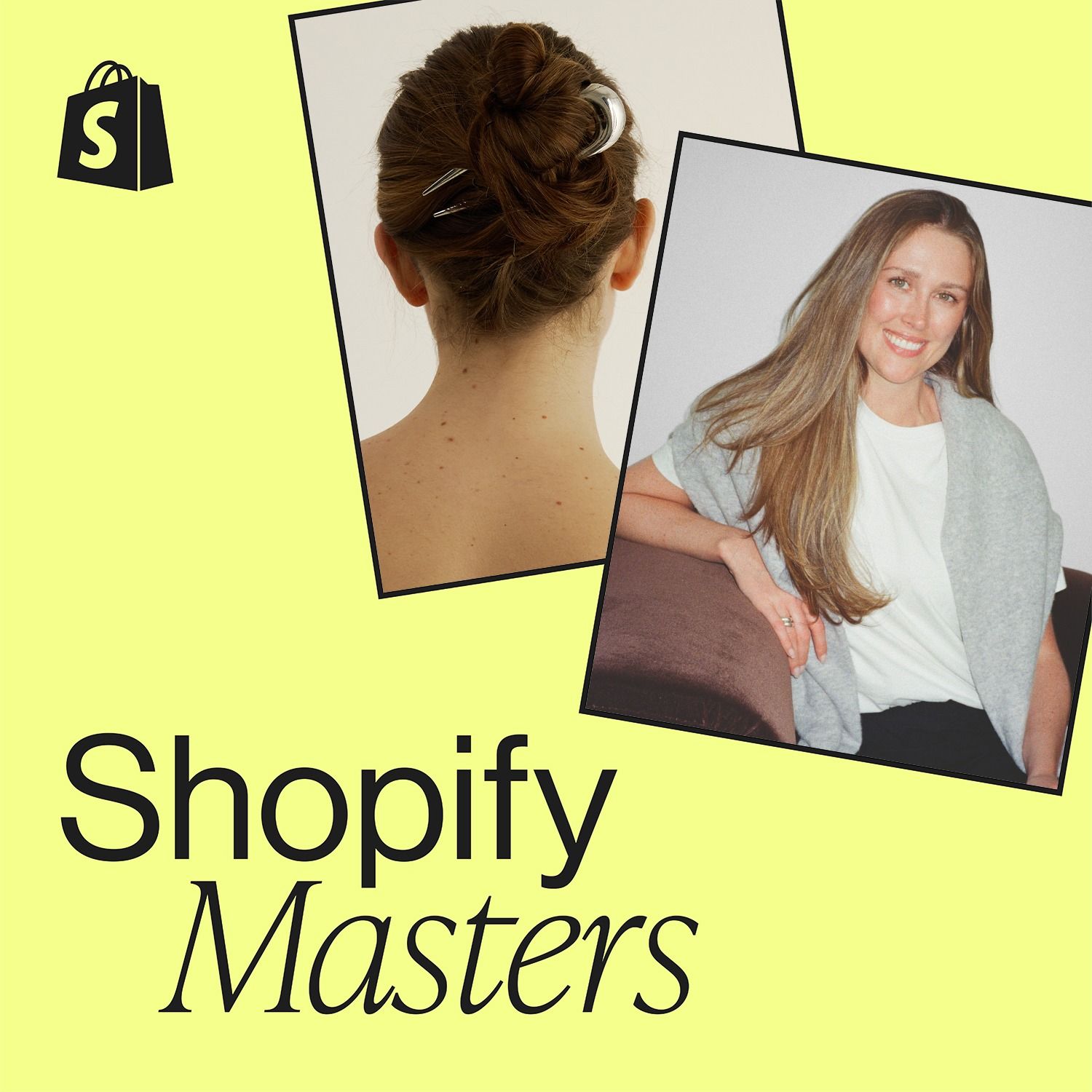
Despite a successful launch into sunglasses, Kōv Essentials discontinued the line. The founder realized the brand's strength was being the leading expert in hair accessories. This strategic retreat was a conscious decision to "go deep instead of wide" and own their niche rather than compete in a crowded lifestyle market.
For a niche product like non-fluoride toothpaste, the strategy is not to change everyone's habits at once. Instead, hyper-focus on a pre-existing community—a 'tribe' that already shares strong beliefs and will act as natural evangelists, amplifying the product's message organically within their network.
