Get your free personalized podcast brief
We scan new podcasts and send you the top 5 insights daily.
Video models are bootstrapped from image models because the denser, cheaper language-to-image data provides a stronger foundation for understanding human intent, a prerequisite for complex video generation.
Related Insights
Advanced generative media workflows are not simple text-to-video prompts. Top customers chain an average of 14 different models for tasks like image generation, upscaling, and image-to-video transitions. This multi-model complexity is a key reason developers prefer open-source for its granular control over each step.

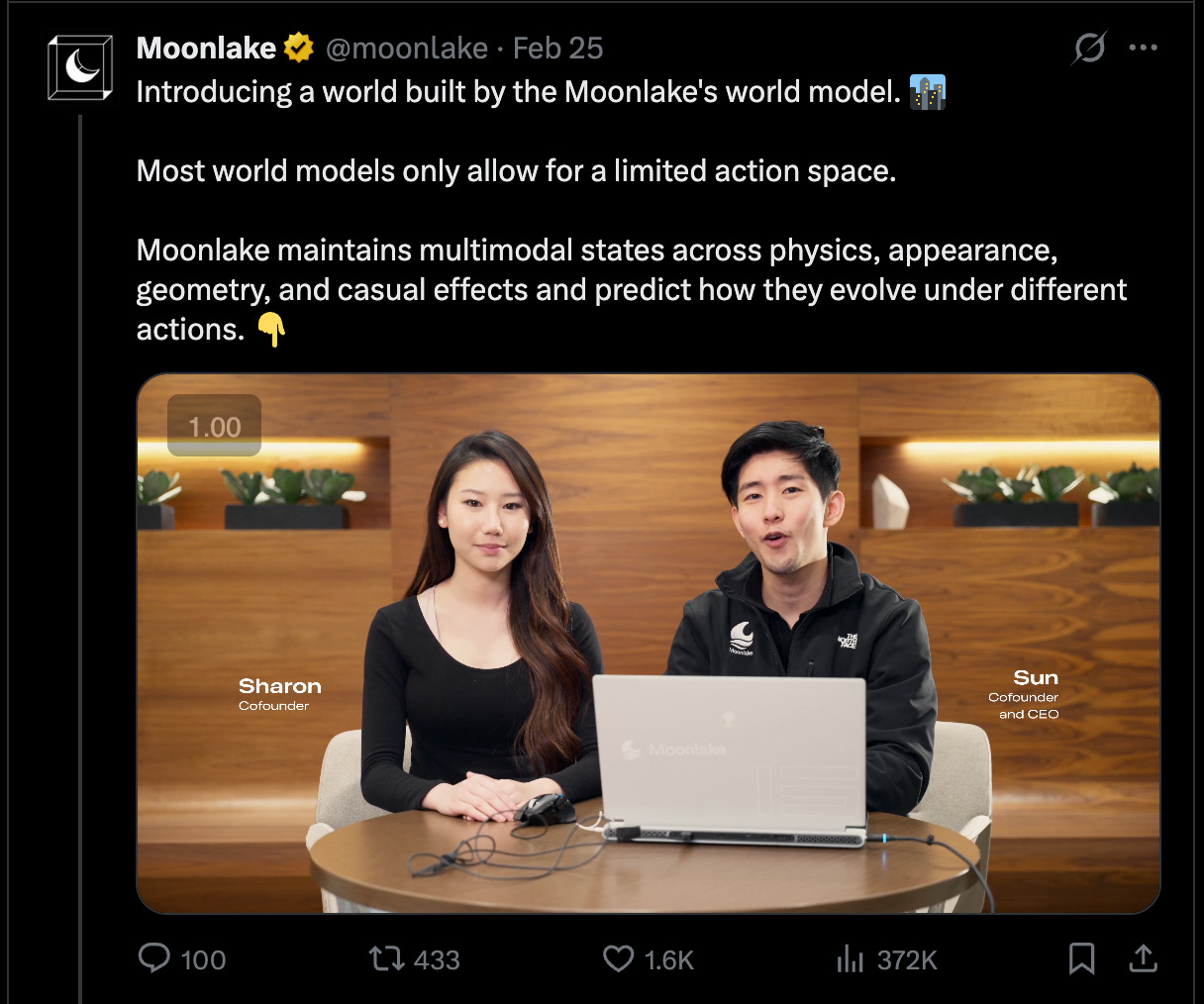
Unlike video generation models that merely predict pixels, Moonlake argues a true world model must understand and predict the consequences of actions over time. This requires an abstracted, semantic understanding of the world, not just visual fidelity.
The quality and vision of an AI-generated video are determined more by the source reference images and videos than by the text prompt itself. Providing a strong visual reference gives the model a clear understanding of taste, style, and desired outcome, acting as a more powerful input than descriptive text alone.

The perceived intelligence of video generation models is often an illusion. The heavy lifting is done by a large language model that rewrites simple user prompts into highly detailed scenes. The video diffusion model itself is less intelligent, simply executing these detailed instructions literally.
The computational requirements for generative media scale dramatically across modalities. If a 200-token LLM prompt costs 1 unit of compute, a single image costs 100x that, and a 5-second video costs another 100x on top of that—a 10,000x total increase. 4K video adds another 10x multiplier.
While today's focus is on text-based LLMs, the true, defensible AI battleground will be in complex modalities like video. Generating video requires multiple interacting models and unique architectures, creating far greater potential for differentiation and a wider competitive moat than text-based interfaces, which will become commoditized.
Raw internet videos lack direct textual descriptions. To train a video model, teams must first create synthetic datasets by using VLMs or human labelers to generate detailed captions that precisely describe the visual content.
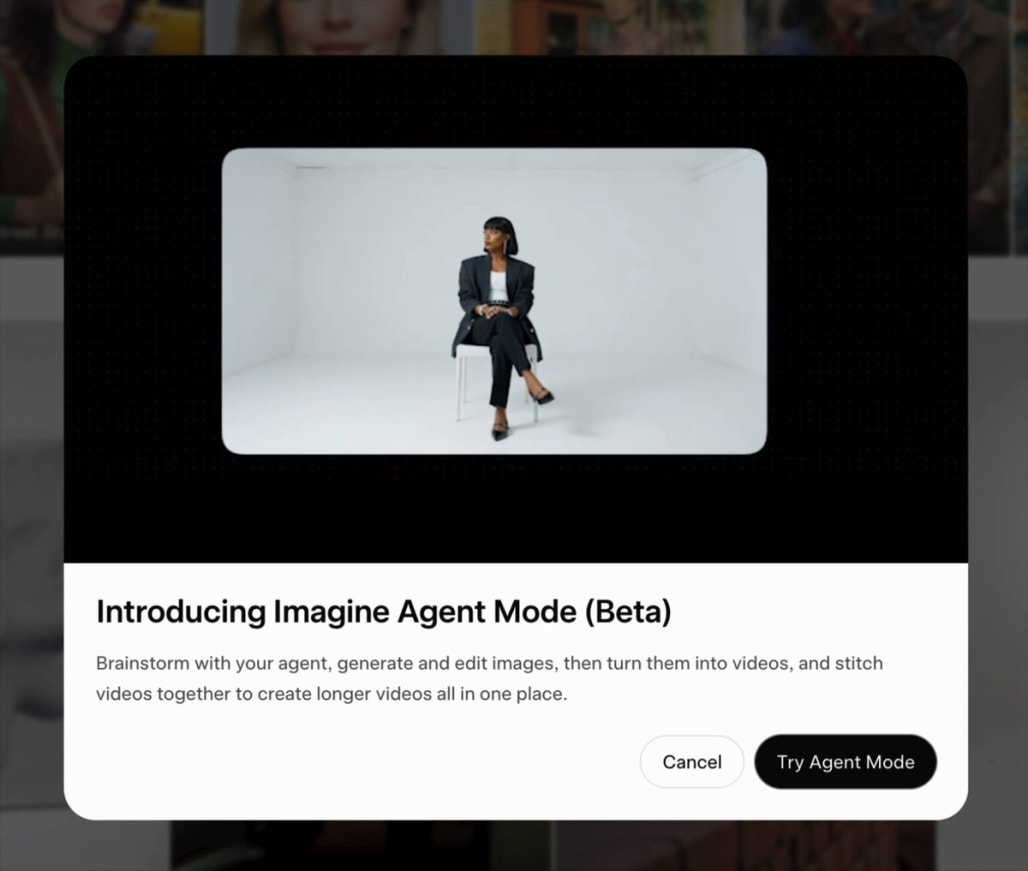
Avoid the "slot machine" approach of direct text-to-video. Instead, use image generation tools that offer multiple variations for each prompt. This allows you to conversationally refine scenes, select the best camera angles, and build out a shot sequence before moving to the animation phase.
The ability of a single encoder to excel at both understanding and generating images indicates these two tasks are not as distinct as they seem. It suggests they rely on a shared, fundamental structure of visual information that can be captured in one unified representation.
Google's strategy involves building specialized models (e.g., Veo for video) to push the frontier in a single modality. The learnings and breakthroughs from these focused efforts are then integrated back into the core, multimodal Gemini model, accelerating its overall capabilities.