Get your free personalized podcast brief
We scan new podcasts and send you the top 5 insights daily.
By committing to a multi-year, ~$400 billion funding plan, Europe can turn Ukraine's financial weakness into a strategic advantage. This sustained support would exacerbate Russia's already high financial burden, potentially triggering a banking or inflation crisis and crippling its war machine.
Related Insights
The Russia-Ukraine conflict demonstrates that the first move in modern warfare is often a cyberattack to disable critical systems like logistics and communication. This is a low-cost, high-impact method to immobilize an adversary before physical engagement.

Major European allies like the UK and France face a "lethal problem" where raising defense spending to meet US-led targets could trigger a bond market revolt. This fiscal constraint, coupled with voter opposition to tax hikes, makes meeting these commitments politically and economically untenable.

Modern global conflict is primarily economic, not kinetic. Nations now engage in strategic warfare through currency debasement, asset seizures, and manipulating capital flows. The objective is to inflict maximum financial damage on adversaries, making economic policy a primary weapon of war.

Increased defense spending is not just a security measure. It presents a prime opportunity to create a European safe asset, funded at both national and EU levels, which is key to developing the deep, liquid capital market Europe currently lacks.

Russia has dramatically shifted its oil trade away from the U.S. dollar, with only 5% of exports now settled in USD, down from 55% in 2022. While this circumvents direct financial sanctions, Russia remains vulnerable as key logistics like freight and insurance are still dollar-linked, increasing costs and complexity.

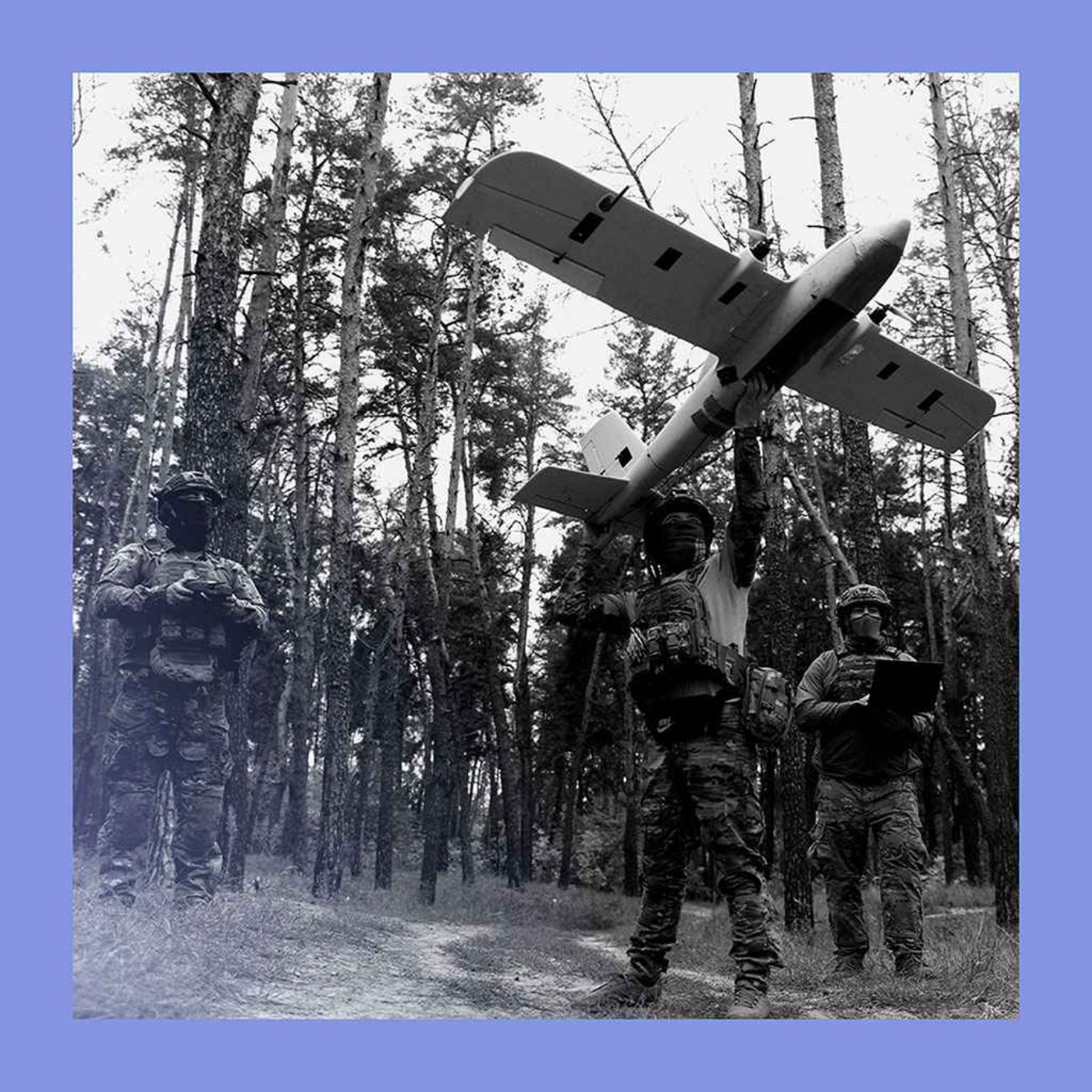
Recognizing Russia's high tolerance for military casualties, Ukraine has shifted its strategy to asymmetric economic warfare. By systematically using long-range drones to attack Russian oil refineries and tankers, Ukraine aims to inflict financial pain where the human cost of war has failed to be a deterrent, creating what they call "the real sanctions."

Soviet leaders who lived through WWII understood the unpredictability of direct conflict and preferred proxy wars. Vladimir Putin, in contrast, has consistently used direct "hot wars"—from Chechnya to Georgia to Ukraine—as a primary tool to consolidate power and boost his domestic popularity.

Each time the U.S. uses financial sanctions, it demonstrates the risks of relying on the dollar system. This incentivizes adversaries like Russia and China to accelerate the development of parallel financial infrastructure, weakening the dollar's long-term network effect and dominance.

A multinational peacekeeping force from BRICS countries (China, India, Brazil, etc.) could be more effective in conflicts like the Russia-Ukraine war. The rationale is that these nations are seen as more neutral than NATO and hold significant economic leverage (e.g., as major buyers of Russian energy), making them a credible guarantee against further aggression.
The US military's 30-year strategy, born from the Gulf War, of relying on small numbers of technologically superior weapons is flawed. The war in Ukraine demonstrates that protracted, industrial-scale conflicts are won by mass and production volume, not just technological sophistication.