Get your free personalized podcast brief
We scan new podcasts and send you the top 5 insights daily.
New food trends, like specialty tomato varieties, are driven top-down from restaurants to consumers. Chefs adopt unique, high-flavor ingredients first. This exposure on menus creates consumer curiosity and demand, which eventually pulls these novel products into mainstream retail channels.

Related Insights
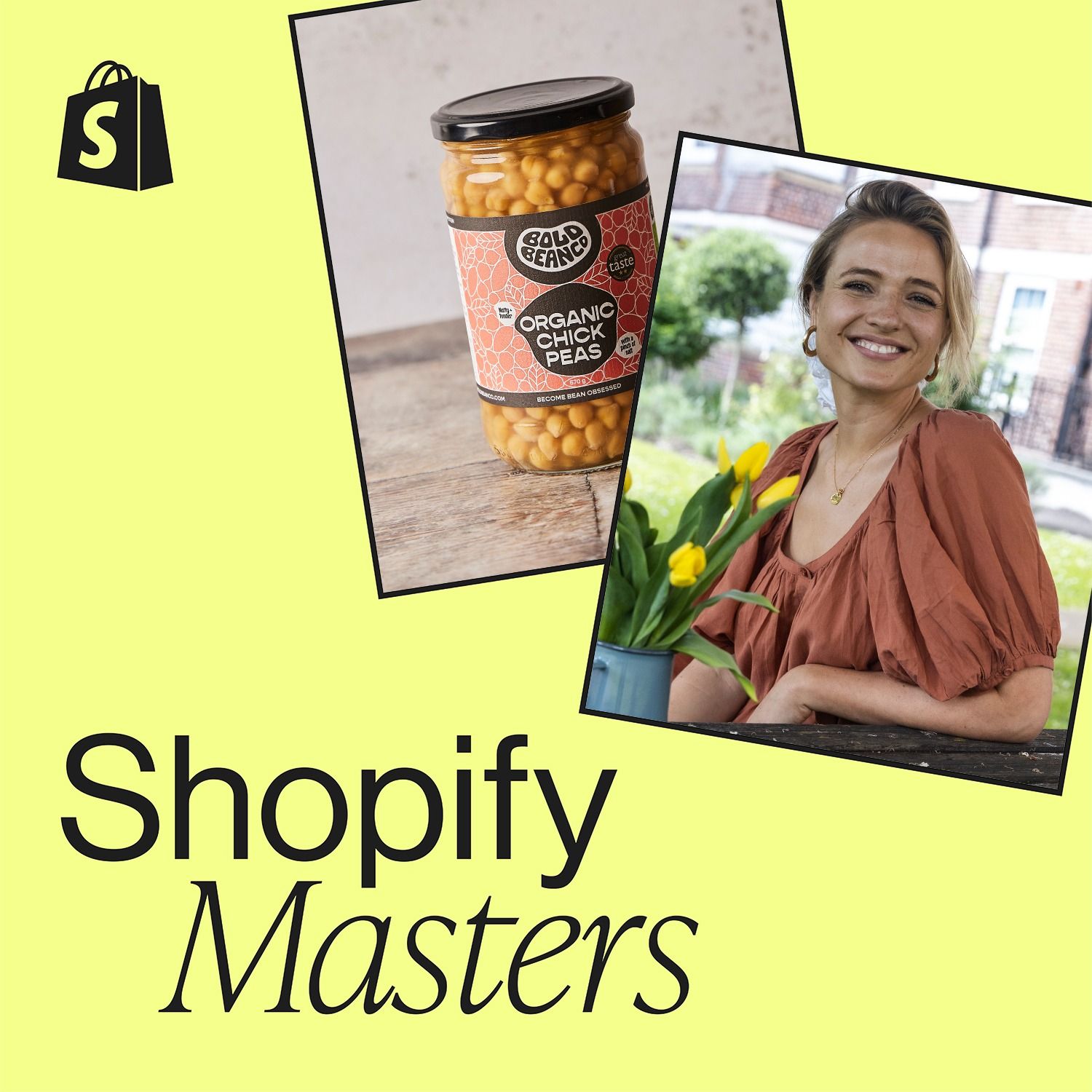
Influential chefs are reluctant to promote finished CPG products (like sauces) that compete with their expertise. However, they will champion a premium ingredient brand like Bold Bean Co. because it enhances their own recipes without compromising their culinary authority, making them natural advocates.
McDonald's limited-time offer of "McFish Eggs" (caviar) reflects a broader trend of pairing high-end food with low-end, accessible items. This strategy, once confined to elite chefs, is being adopted by fast-food giants to generate buzz and appeal to new customers.

Rather than guessing what customers want, Pistakio launched its date bark after noticing many social media posts where users combined their spread with dates. This community-driven R&D ensures new products launch with pre-existing demand.

Counterintuitively, Michelin-star establishments like The French Laundry were the earliest adopters because their core mission is ultimate guest hospitality. Mid-tier restaurants, being less focused on bespoke service, took years longer to understand and cater to this growing customer need.
The "candy salad," a consumer-driven trend on TikTok to combat candy inflation, was quickly adopted and productized by Ferrara (owner of Nutella) with a dedicated kit. This shows how major CPG brands now monitor social platforms to rapidly identify and capitalize on organic consumer behavior.

The viral success of ube, a Filipino yam, in the U.S. demonstrates 'cultural arbitrage': identifying a product common in one culture and introducing it as a novel, premium item in another. This model, seen before with matcha, boba, and sriracha, provides a framework for entrepreneurs to spot and capitalize on new consumer trends.

David Chang explains that while food service is inherently unscalable, high-end, exclusive dining experiences are scaling. The scarcity, amplified by social media, creates massive demand and "cultural currency," allowing these unique businesses to expand and increase prices, creating a barbell effect in the market.

Many marketers mistakenly start with the goal of creating a new category. However, a new category only emerges as a downstream consequence of a strong, existing demand that is poorly served by all current products. The demand must exist before a new category can be successfully established.

Instead of demanding customers learn traditional Sichuan cooking, Fly By Jing drove adoption by showing its product's versatility on familiar, Western foods. This "meet them where they are" approach lowered the barrier to entry and sparked consumers' imaginations, making a niche flavor profile widely accessible.
A social media trend, like the 'Dubai chocolate' flavor, transitions from a fleeting fad to a bankable opportunity when embraced by multiple large companies like Starbucks and Shake Shack. Their simultaneous adoption signals genuine, widespread consumer demand worth investing in.