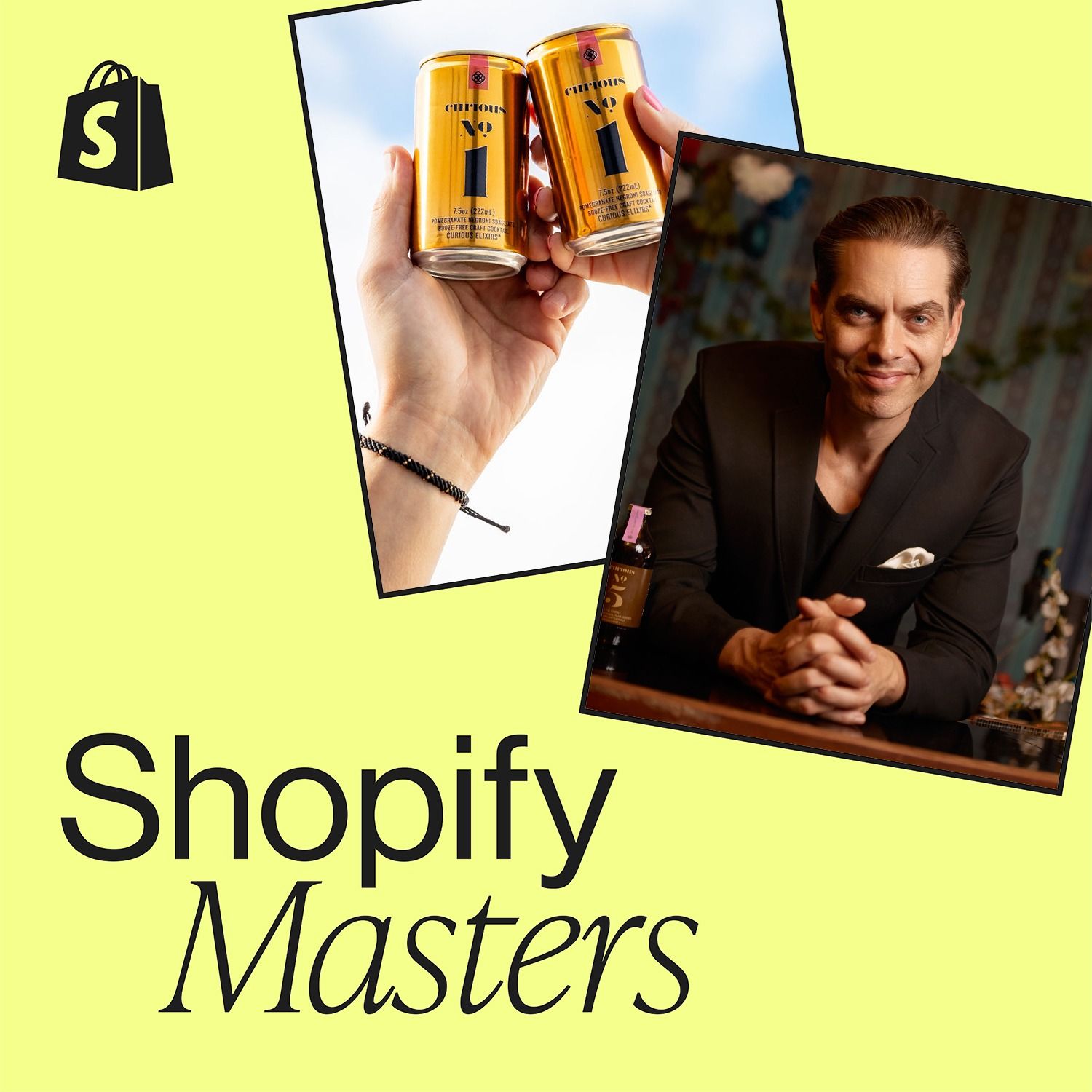
The final catalyst to start Curious Elixirs was hearing Martha Stewart state she never once doubted her business would succeed. The founder decided he could "borrow that confidence," treating an idol's mindset as a tangible asset to overcome his own hesitation and launch.
To create its complex non-alcoholic cocktails, Curious Elixirs had to first partner with food scientists to invent foundational ingredients, like non-alcoholic gentian extract, that didn't exist. True category creation required building the supply chain, not just the end product.
The founder’s motivation to drink less wasn't a terrible hangover but the shocking realization that his body had adapted so well to heavy alcohol use that it didn't produce one. This absence of a negative consequence was the frightening signal that he needed to change his habits.
The founder deliberately avoided VC funding to build a strong foundation for his long-term vision of transforming social drinking. This approach puts the mission before money, accepting slower, more capital-constrained growth as a necessary trade-off to maintain mission purity.
Instead of a single, expensive brand event, Curious Elixirs orchestrates a night where hundreds of customers host their own parties nationwide. The brand simply provides product, letting the community create authentic, diverse, and highly-shareable experiences that scale brand awareness organically.
The key business insight came not from the target sober-curious niche, but when a general party audience drained the non-alcoholic punch bowl faster than the boozy one. This proved a much larger addressable market existed among casual and social drinkers.
Counterintuitively, Michelin-star establishments like The French Laundry were the earliest adopters because their core mission is ultimate guest hospitality. Mid-tier restaurants, being less focused on bespoke service, took years longer to understand and cater to this growing customer need.