Get your free personalized podcast brief
We scan new podcasts and send you the top 5 insights daily.
Rather than guessing what customers want, Pistakio launched its date bark after noticing many social media posts where users combined their spread with dates. This community-driven R&D ensures new products launch with pre-existing demand.

Related Insights
For products with a short shelf life, building a pre-launch audience on social media is crucial. This ensures you have immediate demand for your first batch, preventing waste from unsold inventory and validating the product before it's even made.
Figma's expansion into multiple products (FigJam, Slides) wasn't based on abstract strategy but on observing users pushing the main design tool to its limits for unintended use cases. Identifying these 'hacks' revealed validated market needs for dedicated products.
Instead of just gathering feedback, Set Active actively involves its community in creating two major collections per year, letting customers vote on colors, styles, and designs. This transforms them from passive consumers into active stakeholders, ensuring the product resonates and generates guaranteed excitement and sales upon launch.
By asking their community to guess a new flavor for a chance to win a PR box, they accidentally created a massive database of customer requests. This user-generated feedback directly inspired new products like their garlic cumin pickle, hacking their R&D process.
The "candy salad," a consumer-driven trend on TikTok to combat candy inflation, was quickly adopted and productized by Ferrara (owner of Nutella) with a dedicated kit. This shows how major CPG brands now monitor social platforms to rapidly identify and capitalize on organic consumer behavior.

CEO Tarang Amin joins TikTok Live sessions where customers directly demand new products. This real-time feedback validates demand instantly and creates urgency, allowing e.l.f. to slash development timelines. For one product, they cut the cycle from a planned 18 months to just six in direct response to community pressure.

Instead of costly research and focus groups (R&D), brands like Olipop and Poppy are using "Scrolling & Development" (S&D). They monitor social media for viral trends, like the Shirley Temple's resurgence, and quickly launch their own versions, reducing risk and accelerating time-to-market.
Your audience will dictate your product roadmap if you listen. Porterfield's evolution was a direct response to customer feedback. They finished her webinar course and asked what to sell. They finished her product course and asked how to market it. The path to her flagship product was paved with their questions.

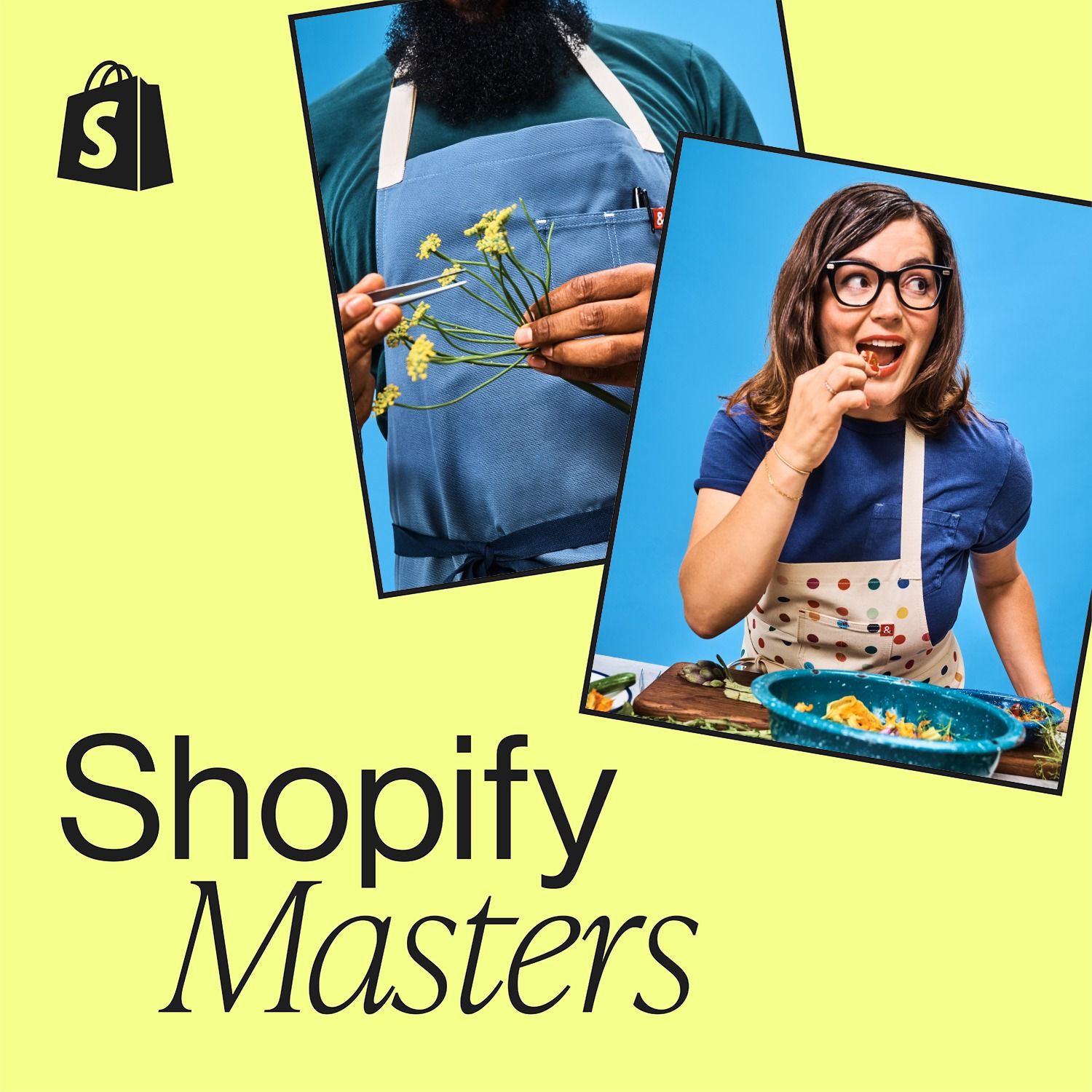
Hedley & Bennett founder Ellen Bennett, a line cook herself, used top chefs as a real-time focus group. By asking her target audience directly what was wrong with existing products and what they needed, she gathered all the building blocks to create a superior product without formal R&D.
To ensure market fit, Kōv Essentials records TikTok videos unboxing manufacturing samples and directly asks for community feedback on the design. For products the founder can't personally test, they send samples to a dedicated test group of customers, building hype and de-risking new product launches.