Get your free personalized podcast brief
We scan new podcasts and send you the top 5 insights daily.
Counterintuitively, Michelin-star establishments like The French Laundry were the earliest adopters because their core mission is ultimate guest hospitality. Mid-tier restaurants, being less focused on bespoke service, took years longer to understand and cater to this growing customer need.
Related Insights
As alcohol consumption declines, cannabis-infused drinks are entering the mainstream and displacing traditional alcohol sales. In markets like Minnesota, these new beverages already account for over 15% of total alcohol sales, signaling a massive shift in consumer preference.

High-end restaurants are turning water into a luxury product by creating dedicated menus and employing 'water sommeliers.' This strategy leverages curation and expertise to generate significant revenue—one LA eatery makes $100,000 annually from water sales alone—by commoditizing a free resource.

Chef David Chang identifies that Gen Z's reduced alcohol consumption is a major financial threat to the restaurant industry. Traditionally high-margin beverage sales have subsidized food costs, but this model is breaking down. As a result, restaurants face a dual pressure of rising labor costs and shrinking beverage revenue, forcing a difficult choice between raising food prices or facing insolvency.

A world-famous chef claims the mid-tier restaurant business is "over." Patrons on drugs like Ozempic eat less, and younger generations drink less alcohol, drastically reducing average check sizes. This makes the economics of a $75-per-person establishment unsustainable, leaving only high-end and fast-casual options viable.

The key business insight came not from the target sober-curious niche, but when a general party audience drained the non-alcoholic punch bowl faster than the boozy one. This proved a much larger addressable market existed among casual and social drinkers.
Businesses often fail by selling a generic category instead of specific experiences. A restaurant doesn't just sell "food"; it sells a bar experience, a tasting menu, and private events. By explicitly defining and selling these offerings upfront, businesses can match customers to value and significantly boost revenue.
![Nick Kokonas - Know What You Are Selling - [Invest Like The Best, REPLAY] thumbnail](https://megaphone.imgix.net/podcasts/c7f11b7e-e516-11f0-8700-239aa8e47bb9/image/552faf7d658b75e441e80eef4cf6b0b3.jpg?ixlib=rails-4.3.1&max-w=3000&max-h=3000&fit=crop&auto=format,compress)
Major beverage companies are turning the teetotalism trend into a high-margin opportunity. They market non-alcoholic beers at prices comparable to their alcoholic counterparts. Because these products are not subject to alcohol taxes, companies can achieve significantly higher profit margins, effectively monetizing sobriety.

AI platforms like Magic enable high-end restaurants to move beyond reactive service. By analyzing public data like social media and reservation history, they anticipate unstated guest needs to create hyper-personalized experiences, fostering deep loyalty that justifies premium pricing.
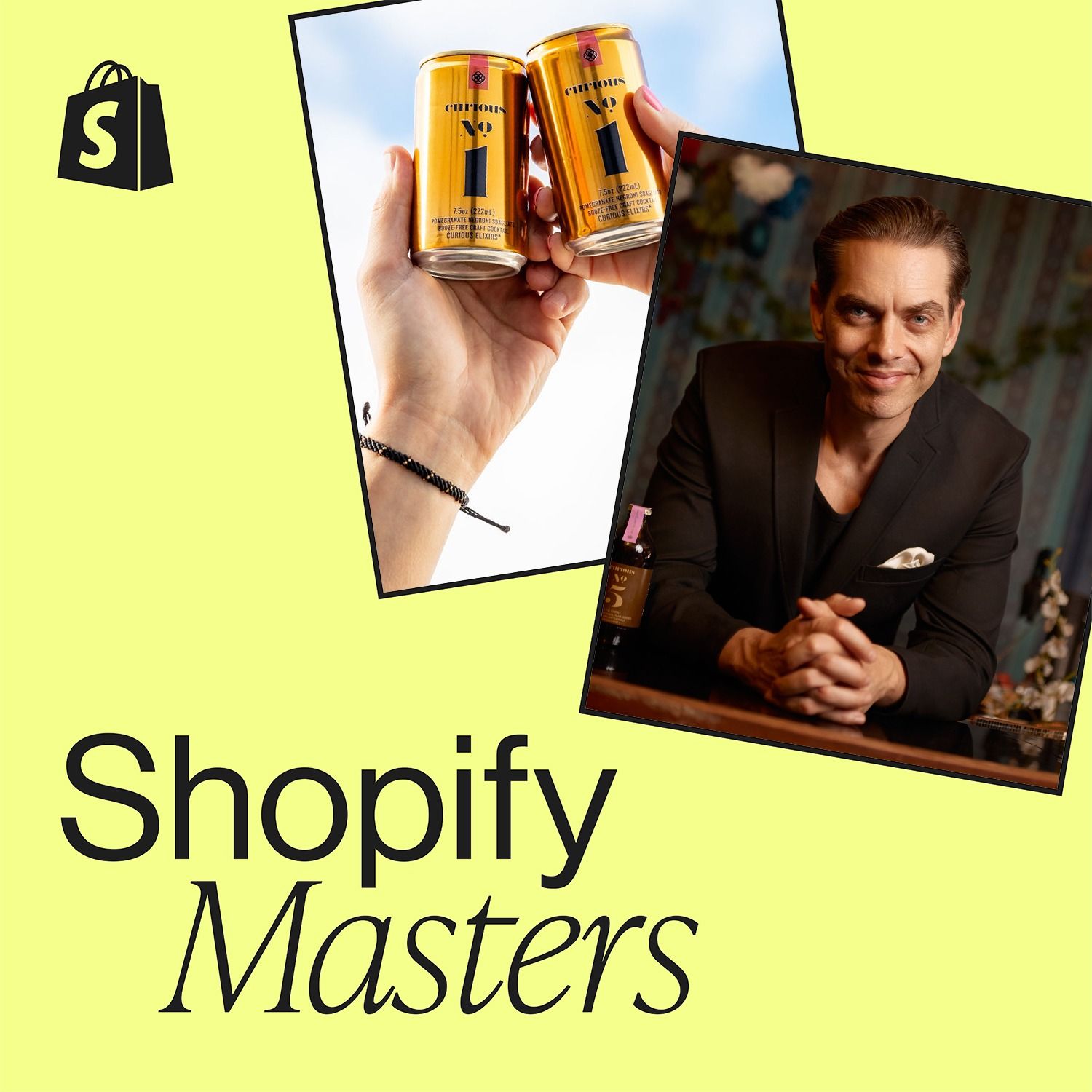
To create its complex non-alcoholic cocktails, Curious Elixirs had to first partner with food scientists to invent foundational ingredients, like non-alcoholic gentian extract, that didn't exist. True category creation required building the supply chain, not just the end product.
Athletic Brewing isn't just serving non-drinkers; 80% of its customers also consume alcohol. The brand is bringing new consumers into the beer category (25% are new to beer) and creating new consumption occasions, making it an additive force in an otherwise declining market.
