Get your free personalized podcast brief
We scan new podcasts and send you the top 5 insights daily.
VC funding provides crucial leverage for securing non-dilutive grants. Many government grants operate on a reimbursement basis, requiring startups to spend capital first. Venture funding provides this necessary upfront cash, enabling hardware companies to access a powerful, complementary source of capital.

Related Insights
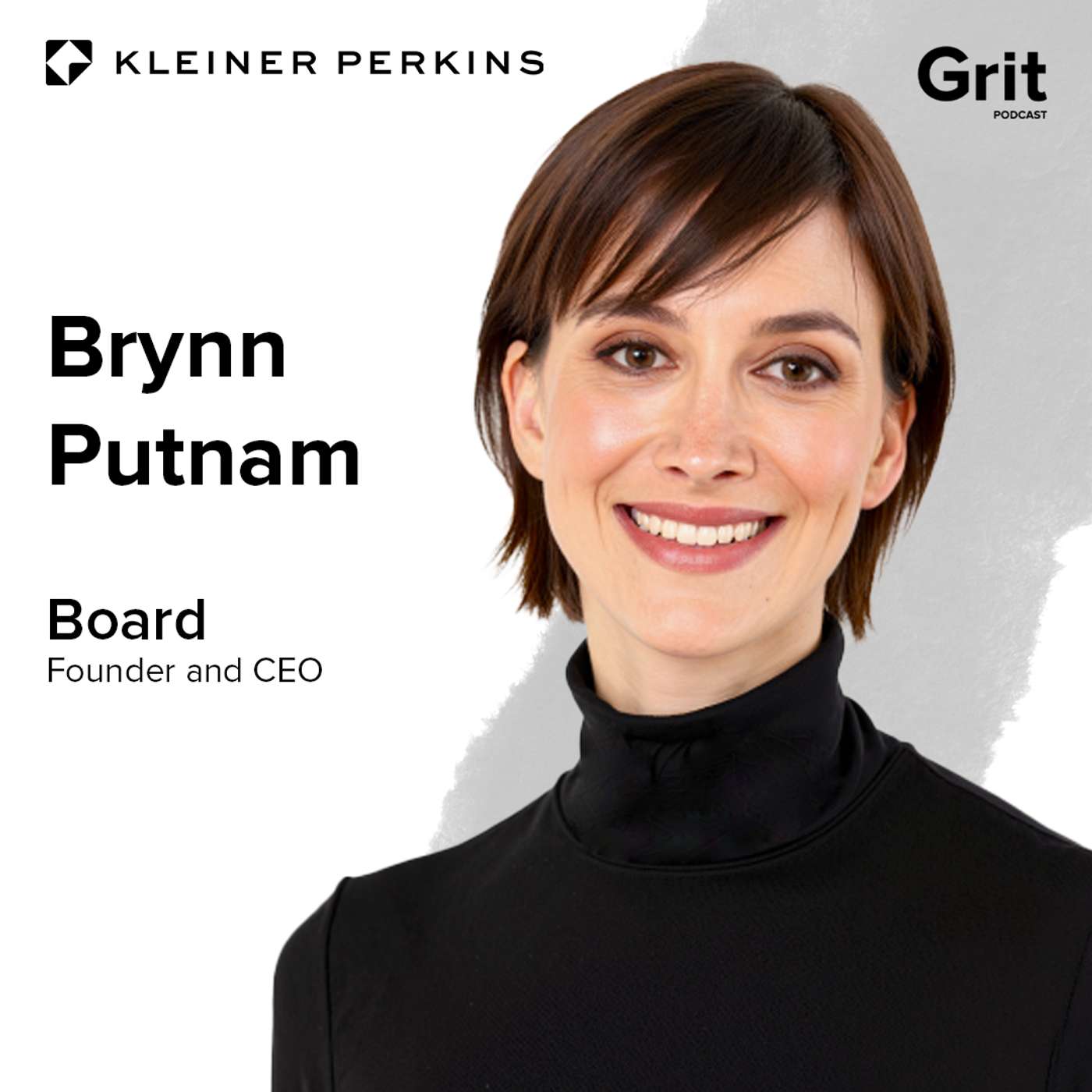
Before raising venture capital for Mirror, founder Bryn Putnam bootstrapped the initial year of R&D using profits from her four successful fitness studios. This provided non-dilutive capital and a safety net, allowing her to explore the high-risk hardware concept without immediate investor pressure.
A restrictive stance on mergers and acquisitions stifles the entire startup ecosystem by removing viable exit paths. Allowing M&A to flourish provides the liquidity events that encourage venture capitalists to deploy risk capital into the next generation of innovative companies.

For projects requiring hundreds of millions, fundraising should be split into phases. The initial "pre-industrialization" phase, focused on proving technology, is suited for venture capital. Later phases for manufacturing and scaling should target project finance structures with debt/equity combinations and strategic partners.

A top-tier VC's primary value isn't just capital; it's the immediate credibility they lend to a startup that may not have earned it yet. This credibility is then 'harvested' to attract elite talent, future funding, and crucial brand momentum.

Unlike the asset-light software era dominated by venture equity, the current AI and defense tech cycle is asset-heavy, requiring massive capital for hardware and infrastructure. This fundamental shift makes private credit a necessary financing tool for growth companies, forcing a mental model change away from Silicon Valley's traditional debt aversion.

Private capital is more efficient for defense R&D than government grants, which involve burdensome oversight. Startups thrive when the government commits to buying finished products rather than funding prototypes, allowing VCs to manage the risk and de-burdening small companies.
Companies pursuing revolutionary technologies like autonomous driving (Waymo) or VR (Reality Labs) must endure over a decade of massive capital burn before profitability. This affirms venture capital's core role in funding these long-term, high-risk, high-reward endeavors.

Fundraising is easier when pitching a predictable plan like 'buy X GPUs to get Y performance.' It's much harder to raise for uncertain, long-term research, even if that's where the next true breakthrough lies. This creates a market bias towards capital expenditure over pure R&D.

Bootstrapping is often a capital constraint that limits a founder's full potential. Conversely, venture capital removes this constraint, acting as a forcing function that immediately reveals a founder's true capabilities in recruiting, product, and fundraising. It's the equivalent of 'going pro' by facing the raw question: 'How good am I?'

For startups taking on industrial giants, large capital raises are a competitive weapon, not just for growth. Accessing low-cost capital is a strategic advantage that directly lowers product costs, making massive fundraising a prerequisite to even sit at the table.
