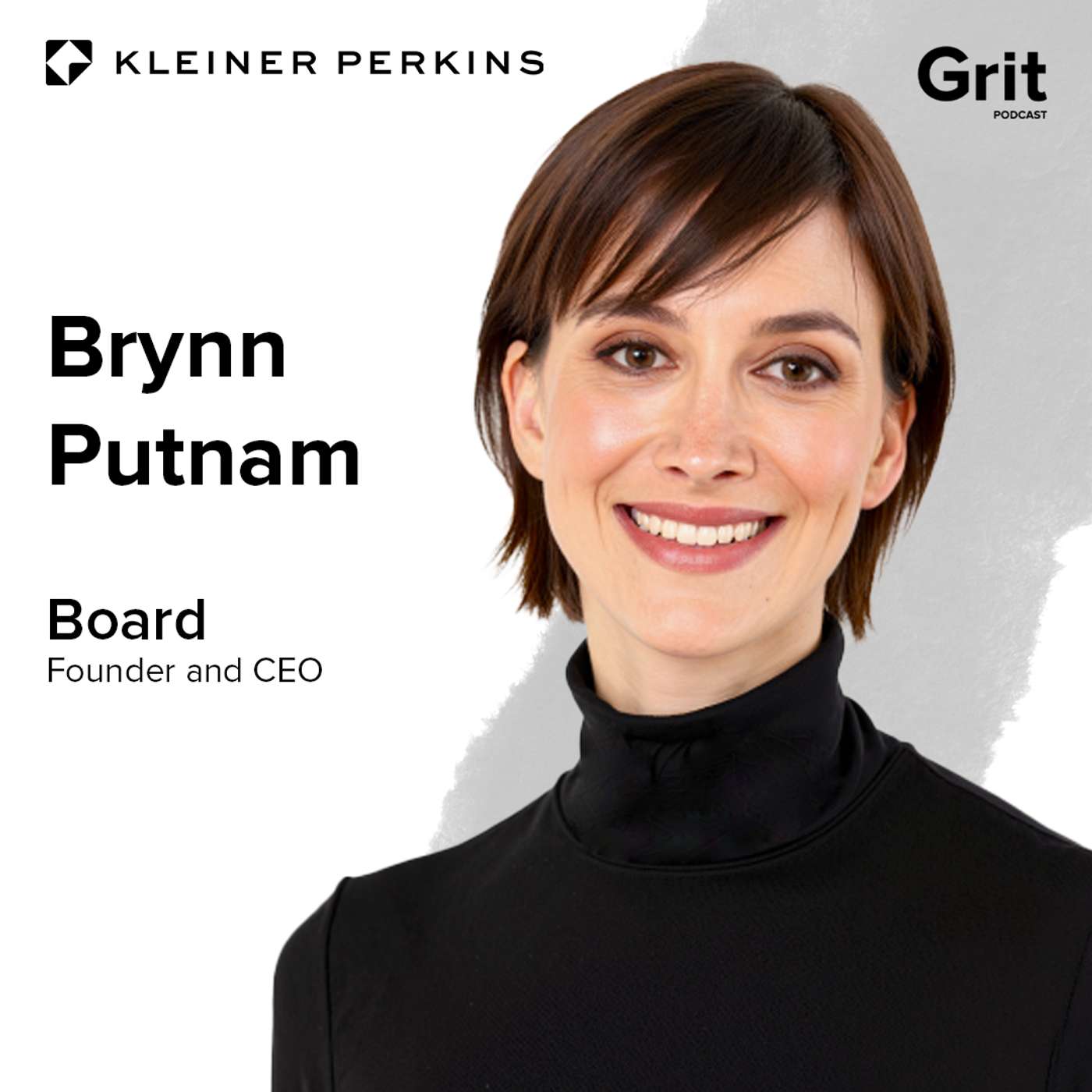
Bryn Putnam's shift from Mirror (solving personal fitness) to Bored (solving family connection) shows that compelling startup ideas often arise from a founder's current personal problems and values, evolving as their life does.
Mirror founder Bryn Putnam claims her non-technical background was an asset in hardware. It enforced strict discipline to a core customer vision, preventing the common trap of feature creep and over-engineering that technical founders can fall into because they *can* build more.
When developing the novel Mirror concept, Bryn Putnam found that early customer surveys and "ugly" mockups yielded universally negative feedback. She learned to trust her gut, recognizing that consumers often can't envision a truly new experience until it's tangible and polished.
Mirror's founder credits her ballerina training for her entrepreneurial grit. Unlike sports with clear wins, ballet fosters internal discipline, resilience to constant criticism, and a focus on daily, incremental improvement without external validation—all core traits of a successful founder.
Instead of a functional prototype, Mirror's founder raised a seed round with a "smoke and mirrors" version: an animated video behind one-way glass. This focused on selling the *feeling* and brand experience to investors, proving demand before spending capital on complex engineering.
Before raising venture capital for Mirror, founder Bryn Putnam bootstrapped the initial year of R&D using profits from her four successful fitness studios. This provided non-dilutive capital and a safety net, allowing her to explore the high-risk hardware concept without immediate investor pressure.
Mirror's struggle inside Lululemon stores reveals the "shop-in-shop" fallacy. Staff skilled in selling apparel lack the training for a complex, high-price technology sale. Moreover, customers entering a store to buy pants aren't in the right mindset for a tech demo, creating a fundamental mismatch.
Bryn Putnam de-risks her complex hardware businesses by using commodity components ("withered technology"). The core innovation and defensible IP are built in the software layer, avoiding the massive capital expense and manufacturing risk of creating novel hardware from scratch.