Get your free personalized podcast brief
We scan new podcasts and send you the top 5 insights daily.
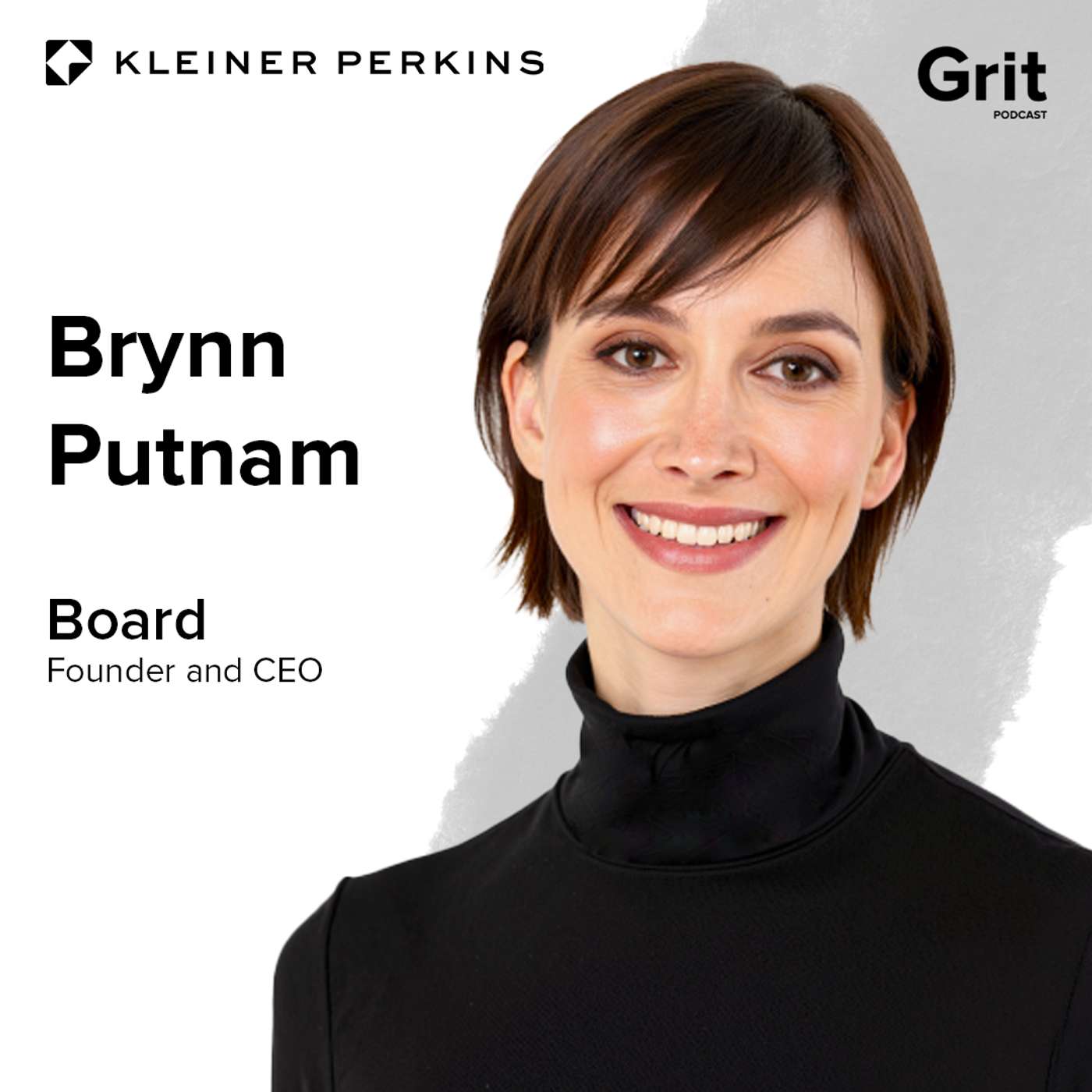
Before raising venture capital for Mirror, founder Bryn Putnam bootstrapped the initial year of R&D using profits from her four successful fitness studios. This provided non-dilutive capital and a safety net, allowing her to explore the high-risk hardware concept without immediate investor pressure.
Related Insights
Instead of a functional prototype, Mirror's founder raised a seed round with a "smoke and mirrors" version: an animated video behind one-way glass. This focused on selling the *feeling* and brand experience to investors, proving demand before spending capital on complex engineering.
Mirror founder Bryn Putnam claims her non-technical background was an asset in hardware. It enforced strict discipline to a core customer vision, preventing the common trap of feature creep and over-engineering that technical founders can fall into because they *can* build more.
Avoid the classic bootstrap vs. raise dilemma by using customer financing. Pre-sell your product or service to a group of early customers. This strategy not only provides the necessary starting capital without giving up equity but also serves as the ultimate form of market validation.

To maintain product focus and avoid the 'raising money game,' the founders of Cues established a separate trading company. They used the profits from this successful venture to self-fund their AI startup, enabling them to build patiently without being beholden to VC timelines or expectations.

To achieve rapid, bootstrapped growth, don't choose between a service or a product. Start with a hybrid: a product with a service aspect. This allows you to generate immediate cash flow and validate the market with the service, while using that revenue to build the more scalable product asset.
Boom Supersonic's move to power data centers with its engines isn't a failure, but a strategic way to fund its capital-intensive vision. This mirrors early Tesla's survival tactic of doing contract engineering for other automakers. Such projects can be a crucial source of non-dilutive capital for deep tech companies.

Bryn Putnam de-risks her complex hardware businesses by using commodity components ("withered technology"). The core innovation and defensible IP are built in the software layer, avoiding the massive capital expense and manufacturing risk of creating novel hardware from scratch.
Validate market demand by securing payment from customers before investing significant resources in building anything. This applies to software, hardware, and services, completely eliminating the risk of creating something nobody wants to buy.