Get your free personalized podcast brief
We scan new podcasts and send you the top 5 insights daily.
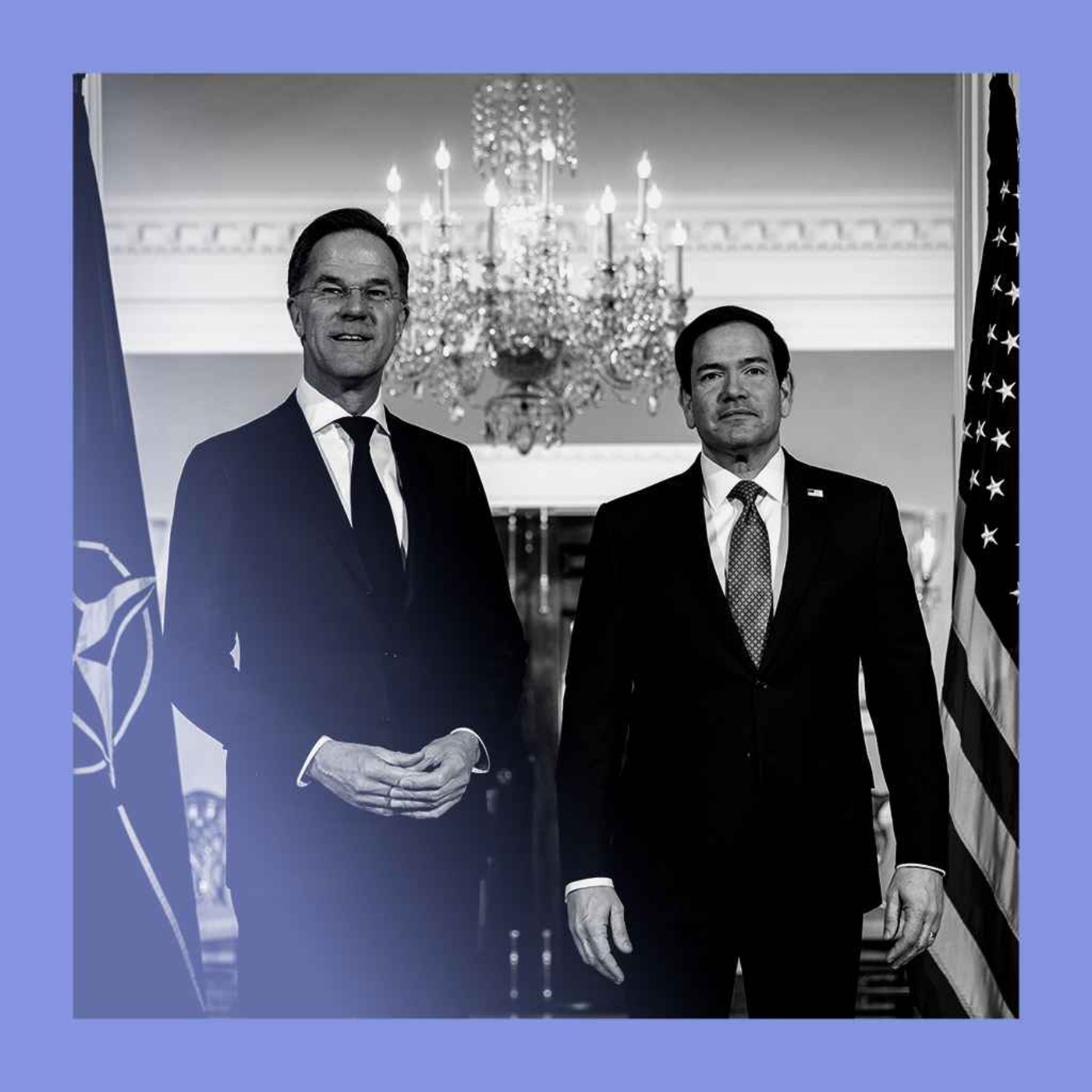
Even though a US law requires Senate approval for a formal NATO withdrawal, a president can effectively neutralize the alliance's operational capacity by unilaterally denying funds, withdrawing American troops, and removing the US commander, thus rendering it powerless without officially leaving.
Related Insights
Counterintuitively, a politically weakened Donald Trump, constrained by potential midterm losses and a waning ability to control events, could become more dangerous. He may lash out by prosecuting political enemies, disrupting alliances like NATO, or taking other destabilizing actions on the world stage to project strength and punish adversaries.

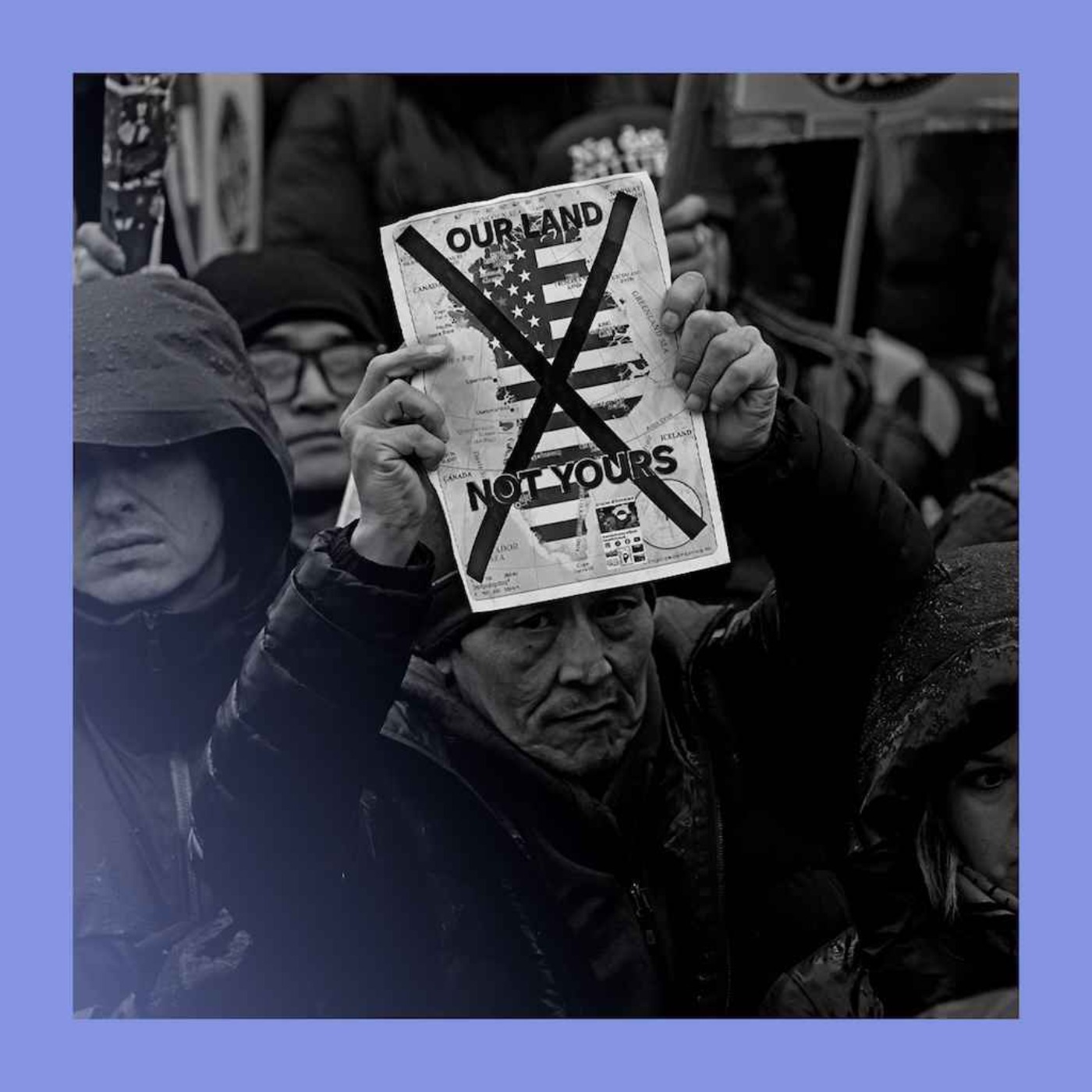
By threatening to withdraw from NATO, Trump can force allies like Denmark into deals such as the one for Greenland. While this leverage is effective for immediate goals, his unpredictable tactics cause long-term damage to America's international reputation and perceived stability.

Russia's public support for Trump's Greenland move is a strategic play to encourage him. Moscow's goal is to provoke Trump into fracturing NATO, the very alliance created to contain Russian aggression, by having its leader attack an allied territory.
Trump's rhetoric about acquiring Greenland "the easy way or the hard way" is not just bluster. It's part of a broader pattern of unilateral action that prioritizes American strategic interests above all else, even at the cost of alienating key allies and potentially fracturing foundational alliances like NATO.

Unlike in the 1930s, the U.S. is enmeshed in a global network of alliances. A modern isolationist policy cannot be a simple retreat; it requires an active, aggressive phase of dismantling these structures to clear the way for withdrawal. You must 'blow up the world first to ignore it.'
Trump's confrontational stance with allies isn't just chaos; it's a calculated strategy based on the reality that they have nowhere else to go. The U.S. can troll and pressure nations like Canada and European countries, knowing they won't realistically align with China, ultimately forcing them to increase their own defense commitments.

If a leader concludes that historic allies are acting against their nation's interests (e.g., prolonging a war), they may see those alliances as effectively void. This perception of betrayal becomes the internal justification for dramatic, unilateral actions like dismantling NATO or seizing strategic assets.
The backbone of NATO is not just US military might, but European trust in it. A dispute initiated by the US against allies is more existentially dangerous than past internal conflicts or external threats because it directly undermines the core assumption of mutual defense.
By forgoing consultation with allies, Congress, or the UN, the Trump administration frames its military action as ad hoc rather than a defense of international rules. This erodes legitimacy and alienates key European partners who prioritize a rules-based system, contrasting sharply with the coalition-building of past interventions like the Iraq War.

Marco Rubio, once a staunch defender of NATO who sponsored a law to prevent presidential withdrawal, has reversed his position as Secretary of State. His new anti-NATO rhetoric, echoing Donald Trump, indicates that a key internal check on the president's anti-alliance sentiment has been removed.