Get your free personalized podcast brief
We scan new podcasts and send you the top 5 insights daily.
The real consequence of the diplomatic friction between the German Chancellor and the US President is not the physical withdrawal of troops, but the erosion of perceived dependability. An alliance lacking coherence and consistency loses its deterrent value, making military assets like troops and missiles less effective because the credibility behind them is weakened.

Related Insights
Even though a US law requires Senate approval for a formal NATO withdrawal, a president can effectively neutralize the alliance's operational capacity by unilaterally denying funds, withdrawing American troops, and removing the US commander, thus rendering it powerless without officially leaving.
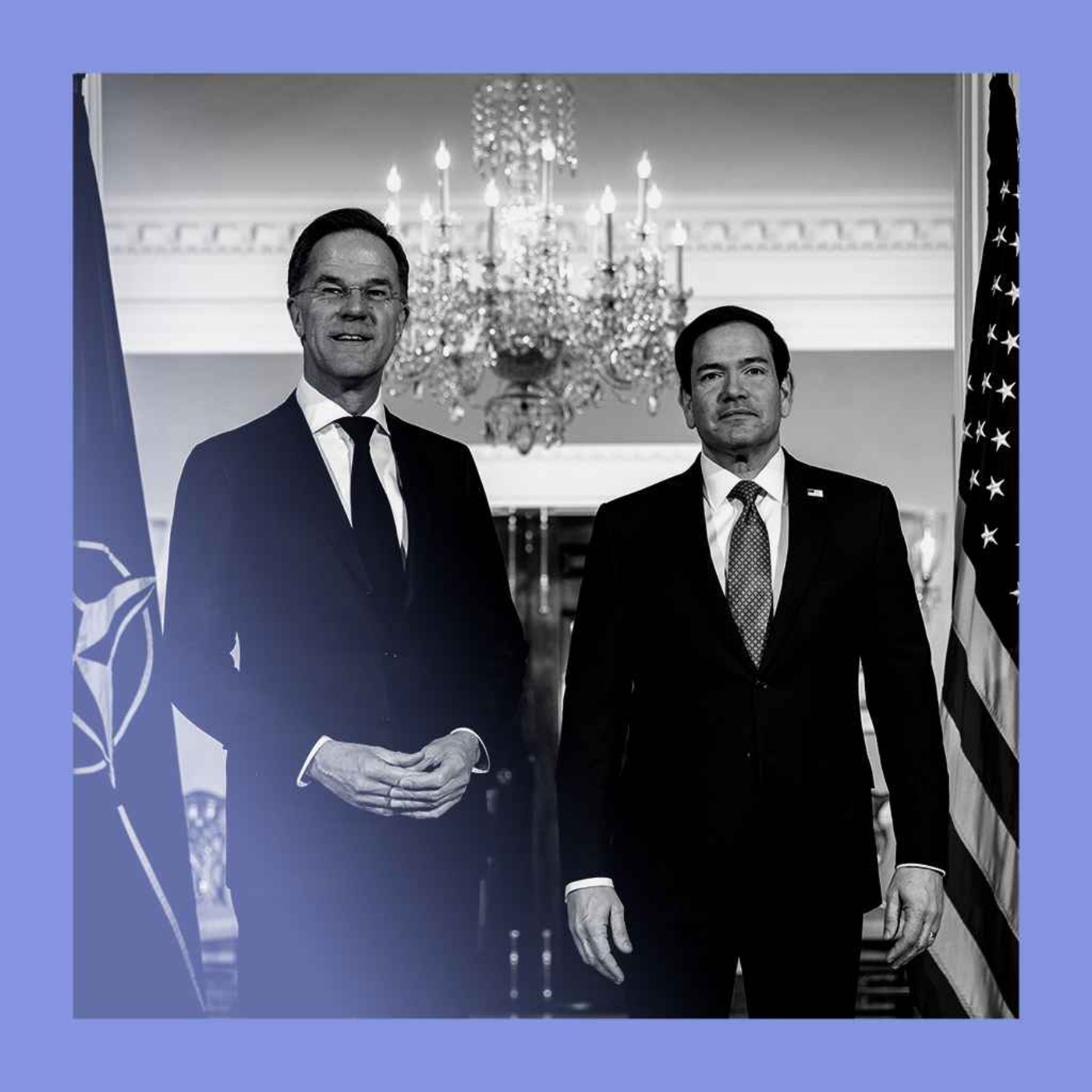
NATO's structure relies on allies following an American general's command under Article 5. After witnessing the "horrible, catastrophic failure" of US strategy in Iran, European nations will no longer entrust their militaries to US leadership, making the alliance functionally obsolete.

By threatening to withdraw from NATO, Trump can force allies like Denmark into deals such as the one for Greenland. While this leverage is effective for immediate goals, his unpredictable tactics cause long-term damage to America's international reputation and perceived stability.

The current strain in the transatlantic relationship has evolved beyond policy disputes, like the 2003 Iraq War, into a political crisis. Actions regarding Ukraine and Greenland are perceived as a "U.S. betrayal," shattering the foundational trust that once held the alliance together and making recovery far more difficult.

While Americans may become desensitized to a president's unconventional statements, allies like Australia do not see it as a joke. They interpret threats to treaty obligations as genuine disrespect and aggression, compelling them to develop independent defense strategies and fundamentally altering geopolitical relationships built over decades.

Russia's provocations are designed to create dilemmas for European nations, forcing them to question whether the US would support a kinetic response. This uncertainty weakens the transatlantic alliance and strengthens Russia's psychological position for future negotiations over Ukraine and European security.

If a leader concludes that historic allies are acting against their nation's interests (e.g., prolonging a war), they may see those alliances as effectively void. This perception of betrayal becomes the internal justification for dramatic, unilateral actions like dismantling NATO or seizing strategic assets.

The backbone of NATO is not just US military might, but European trust in it. A dispute initiated by the US against allies is more existentially dangerous than past internal conflicts or external threats because it directly undermines the core assumption of mutual defense.

Even though President Trump backed down on tariffs over Greenland, the episode permanently eroded European trust in the U.S. as a reliable NATO partner. The erratic nature of the dispute raised serious questions about American dependability on more critical issues like Ukraine, suggesting long-term damage to the alliance.

Using security guarantees like NATO as leverage for economic concessions is a self-defeating strategy. If the threat is constantly repeated but never acted upon, it's exposed as a bluff, losing its power. If the US does withdraw from an alliance, the leverage disappears entirely, leaving America less secure.