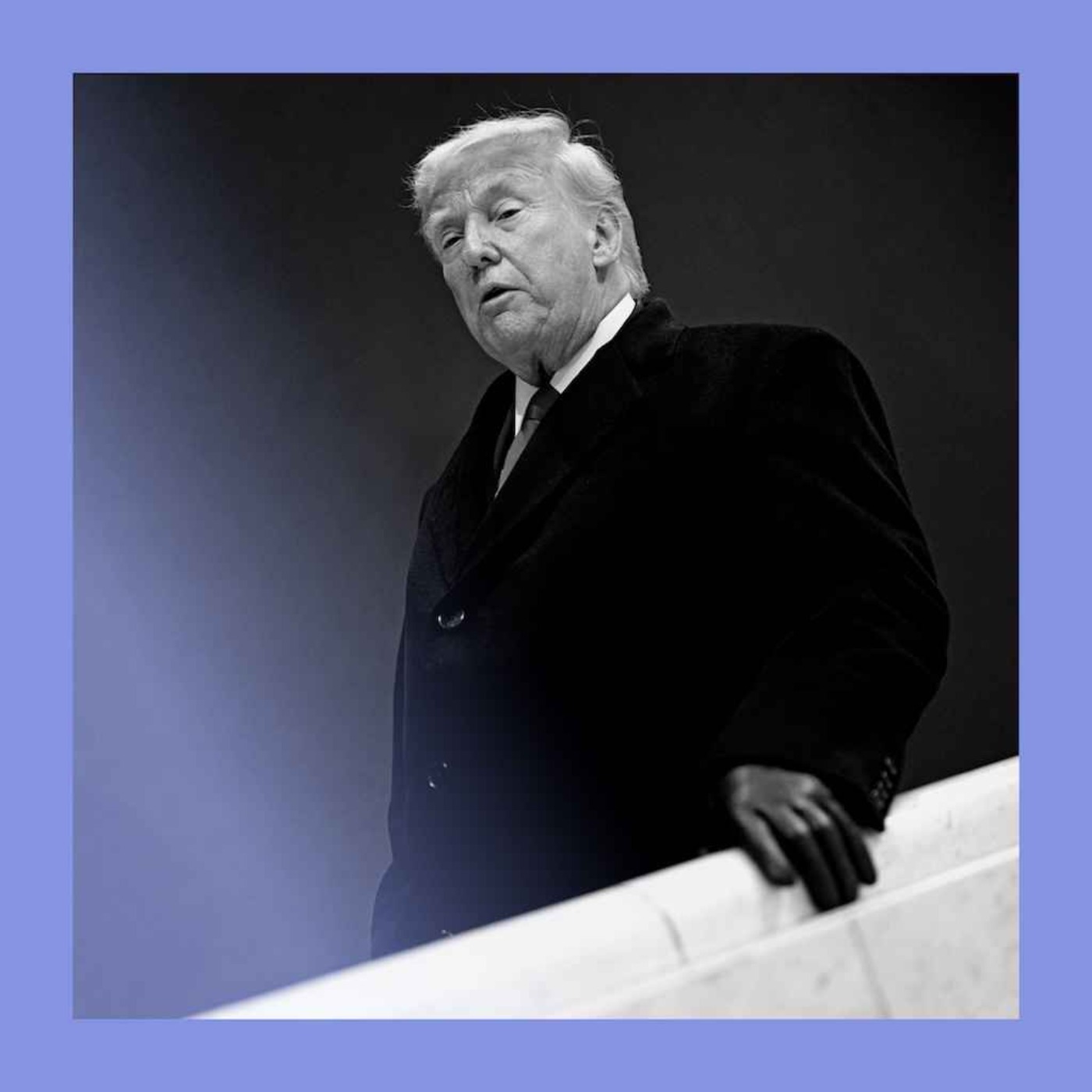
The Greenland diplomatic row taught European leaders that their previous strategy of delicate diplomacy was ineffective with the Trump administration. By presenting credible retaliatory threats, they discovered they could achieve their objectives, signaling a major shift in transatlantic diplomatic strategy.
Even though President Trump backed down on tariffs over Greenland, the episode permanently eroded European trust in the U.S. as a reliable NATO partner. The erratic nature of the dispute raised serious questions about American dependability on more critical issues like Ukraine, suggesting long-term damage to the alliance.
Despite a law requiring TikTok's complete separation from its Chinese owner ByteDance, the approved deal maintains deep operational and financial ties. ByteDance retains a board seat and leases its core algorithm for royalties, effectively creating a superficial compliance that fails to address the law's original national security concerns.
The once-strong political will to force a clean break for TikTok has faded due to the app's massive popularity, lawmaker distraction, and a deal structure that financially benefits political allies. This demonstrates how shifting political priorities and potential self-interest can weaken the enforcement of established national security policies.
Analysis of decades of Billboard charts shows pop lyrics have grown more angsty, but this trend is not correlated with specific negative events like 9/11 or COVID-19, nor with economic cycles. The darkening mood of hit music is a sustained cultural shift driven by consumer demand, not a reaction from artists to current events.