Get your free personalized podcast brief
We scan new podcasts and send you the top 5 insights daily.
While Trump's tough stance successfully induces allies to increase defense spending, this gain in capability is offset by a catastrophic loss of trust. An alliance's strength is based on both capability and will. By making the U.S. commitment (like Article 5) conditional and unreliable, overall deterrence against adversaries like Russia is weakened, making war more likely.

Related Insights
By threatening to withdraw from NATO, Trump can force allies like Denmark into deals such as the one for Greenland. While this leverage is effective for immediate goals, his unpredictable tactics cause long-term damage to America's international reputation and perceived stability.

With the New START treaty gone and doubts about America's commitment to "extended deterrence," especially under Donald Trump, allies in Europe and Asia are debating acquiring their own nuclear weapons. This could lead to a dangerous proliferation free-for-all, increasing the risk of preemptive strikes.

NATO's integrity is bifurcated. Its formal components—the military structure, institutions, and treaty—remain intact. However, its core function as a deterrent has been severely damaged because the US President has made the Article 5 commitment conditional. This undermines the perceived 'will' to defend allies, which is what truly deters adversaries like Russia.
Trump's confrontational stance with allies isn't just chaos; it's a calculated strategy based on the reality that they have nowhere else to go. The U.S. can troll and pressure nations like Canada and European countries, knowing they won't realistically align with China, ultimately forcing them to increase their own defense commitments.

Trump’s signature strategy of building up military force while simultaneously offering diplomatic solutions creates a coercive environment. While it projects short-term strength, it damages long-term relationships, making allies and adversaries alike view the U.S. as an unpredictable and untrustworthy bully.

The backbone of NATO is not just US military might, but European trust in it. A dispute initiated by the US against allies is more existentially dangerous than past internal conflicts or external threats because it directly undermines the core assumption of mutual defense.

Even though President Trump backed down on tariffs over Greenland, the episode permanently eroded European trust in the U.S. as a reliable NATO partner. The erratic nature of the dispute raised serious questions about American dependability on more critical issues like Ukraine, suggesting long-term damage to the alliance.
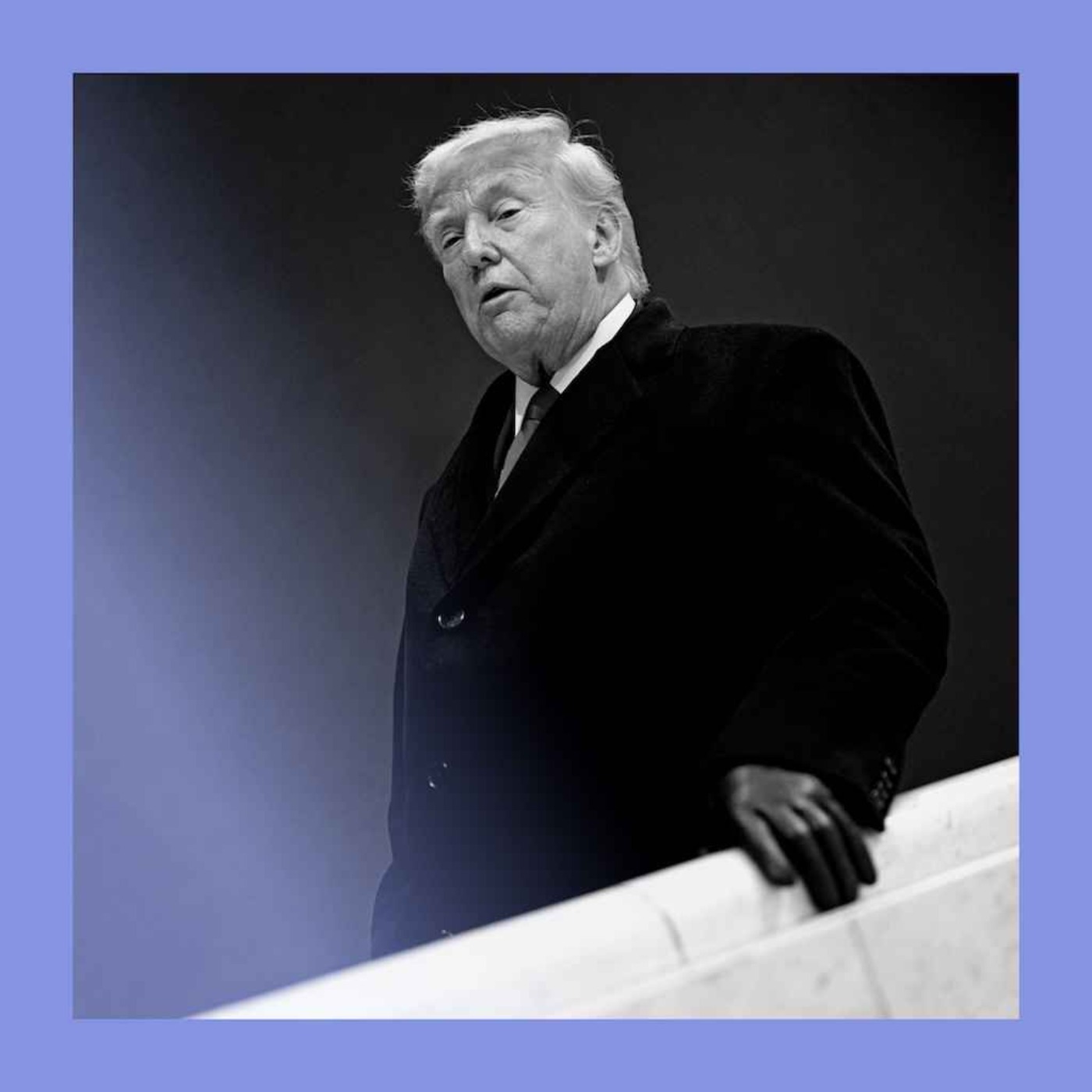
Using security guarantees like NATO as leverage for economic concessions is a self-defeating strategy. If the threat is constantly repeated but never acted upon, it's exposed as a bluff, losing its power. If the US does withdraw from an alliance, the leverage disappears entirely, leaving America less secure.
The real consequence of the diplomatic friction between the German Chancellor and the US President is not the physical withdrawal of troops, but the erosion of perceived dependability. An alliance lacking coherence and consistency loses its deterrent value, making military assets like troops and missiles less effective because the credibility behind them is weakened.

The core of U.S. global power relative to its adversaries is not its standalone might, but its network of alliances. The U.S. is stronger than China because of its East Asian allies and stronger than Russia because of NATO. Eroding the trust within these alliances is a self-inflicted strategic wound.