Get your free personalized podcast brief
We scan new podcasts and send you the top 5 insights daily.
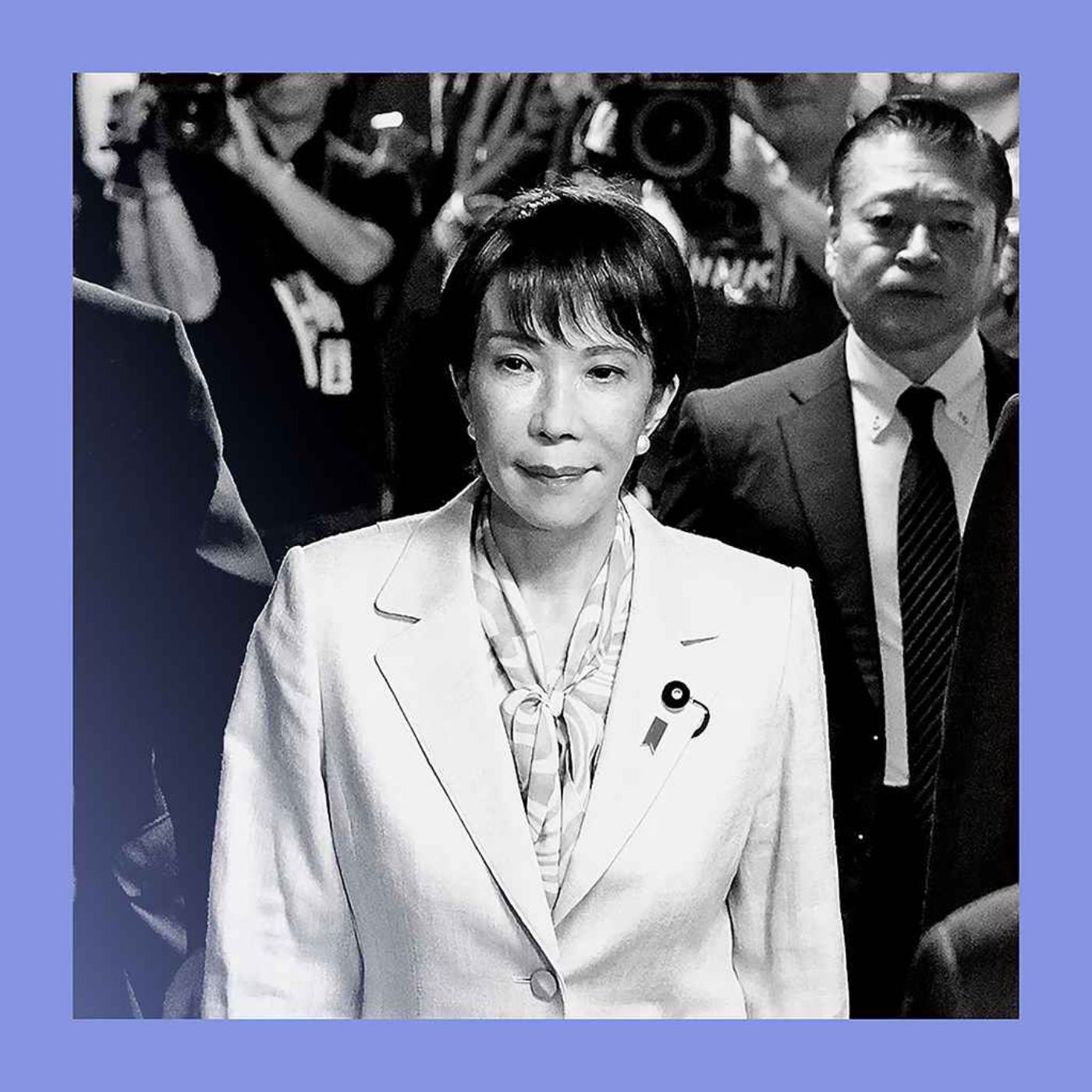
The stunning landslide victory for Japanese hawk Sanae Takaichi may be an unintended consequence of China's own actions. China's uncompromising stance on disputed territories appears to have backfired by creating a strong sense of unity among Japanese voters, propelling a leader with a hardline China policy into power.

Related Insights
The election of Sinei Takechi is causing markets to anticipate a more activist fiscal agenda in Japan. This includes inflation relief and strategic investments. Paradoxically, this expectation of fiscal stimulus is simultaneously reducing pressure on the Bank of Japan for near-term interest rate hikes, creating a dual impact on the country's economic outlook.

Despite widespread adoration for giant pandas, with fans showing immense emotion at their departure, public sentiment in Japan towards China remains overwhelmingly negative. A recent poll showed nearly 90% of Japanese people hold unfavorable views of China, highlighting the distinct separation between cultural symbols and geopolitical feelings.
China is deploying a dual-track foreign policy: engaging in soft 'panda diplomacy' with Western powers like the UK and Canada through cultural outreach and visa-free travel, while simultaneously taking a hardline 'wolf warrior' stance with regional rivals like Japan over issues such as Taiwan and currency tensions. This flexible approach allows Beijing to selectively de-risk relationships.

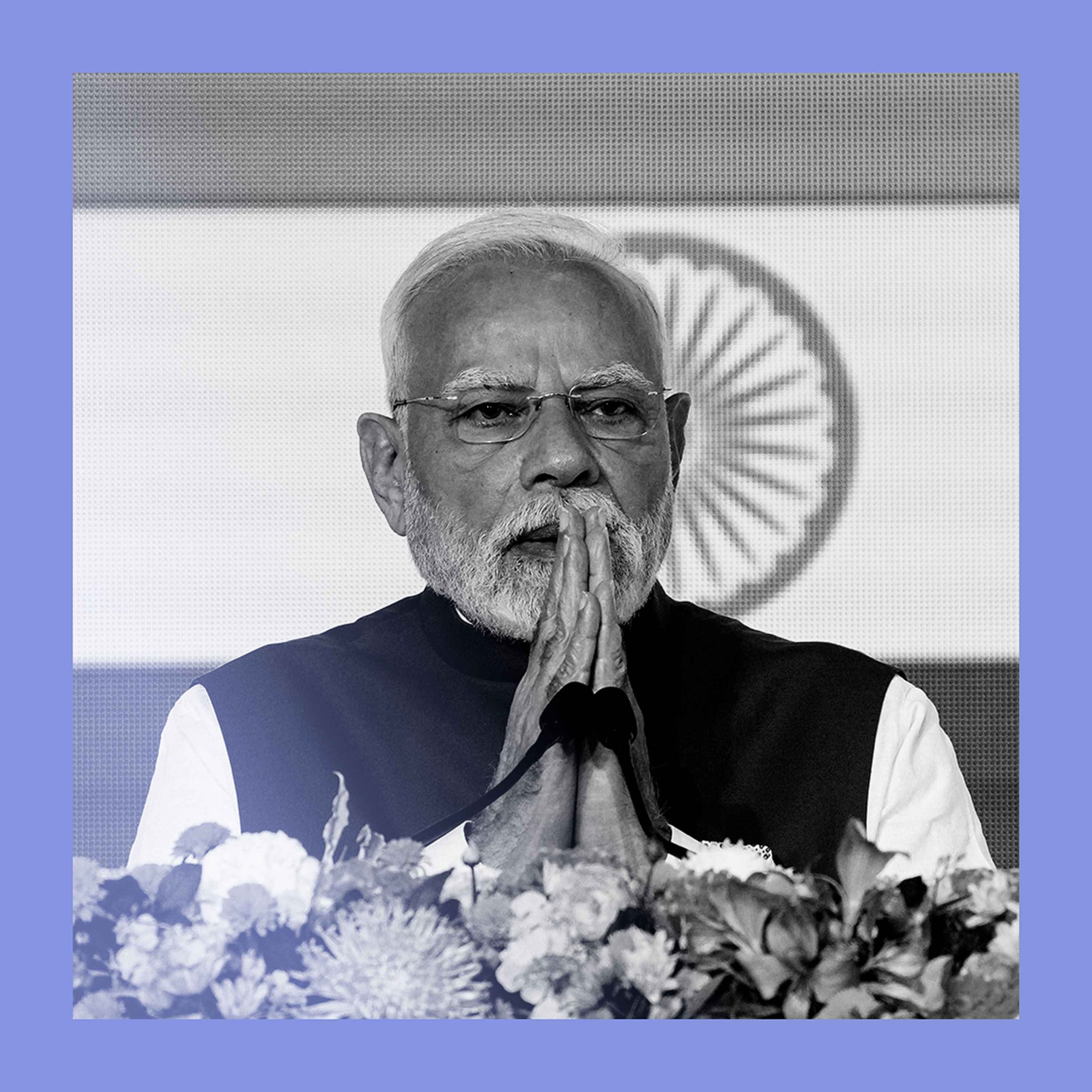
Japan's ruling LDP selected Takaichi Sanae, a leader with a brash, populist aesthetic, not to upend the system but to co-opt populist appeal. This strategy aims to fend off genuine anti-establishment challengers and re-establish the party's grip on power, demonstrating a novel approach to maintaining the status quo.
China's "panda diplomacy" is often seen through the lens of gifting animals. However, the more potent signal is their withdrawal. For the first time in 54 years, Japan has no pandas, a direct reflection of cooling relations, especially as China promises new pandas to a friendlier South Korea, indicating shifting regional alignments.
The Trump administration demands allies take more responsibility for regional security. Yet when Japan's leader did so regarding Taiwan and faced Chinese pressure, the U.S. prioritized its direct relationship with Beijing, effectively hanging a key ally "out to dry" and contradicting its own strategic doctrine.
The election of leaders like Japan's female prime minister, who enacts hardline policies, shows that voters are primarily driven by shared values, not identity characteristics. When a leader's ideology matches the electorate's, their gender or race becomes secondary.

Typically, global investors lead rallies in the Japanese equity market. However, the surge following Sanai Takaichi's election saw unusually strong momentum from domestic investors and high public expectation (68% according to one poll). This reversal of the usual pattern suggests a revival of "Abenomics" optimism locally.

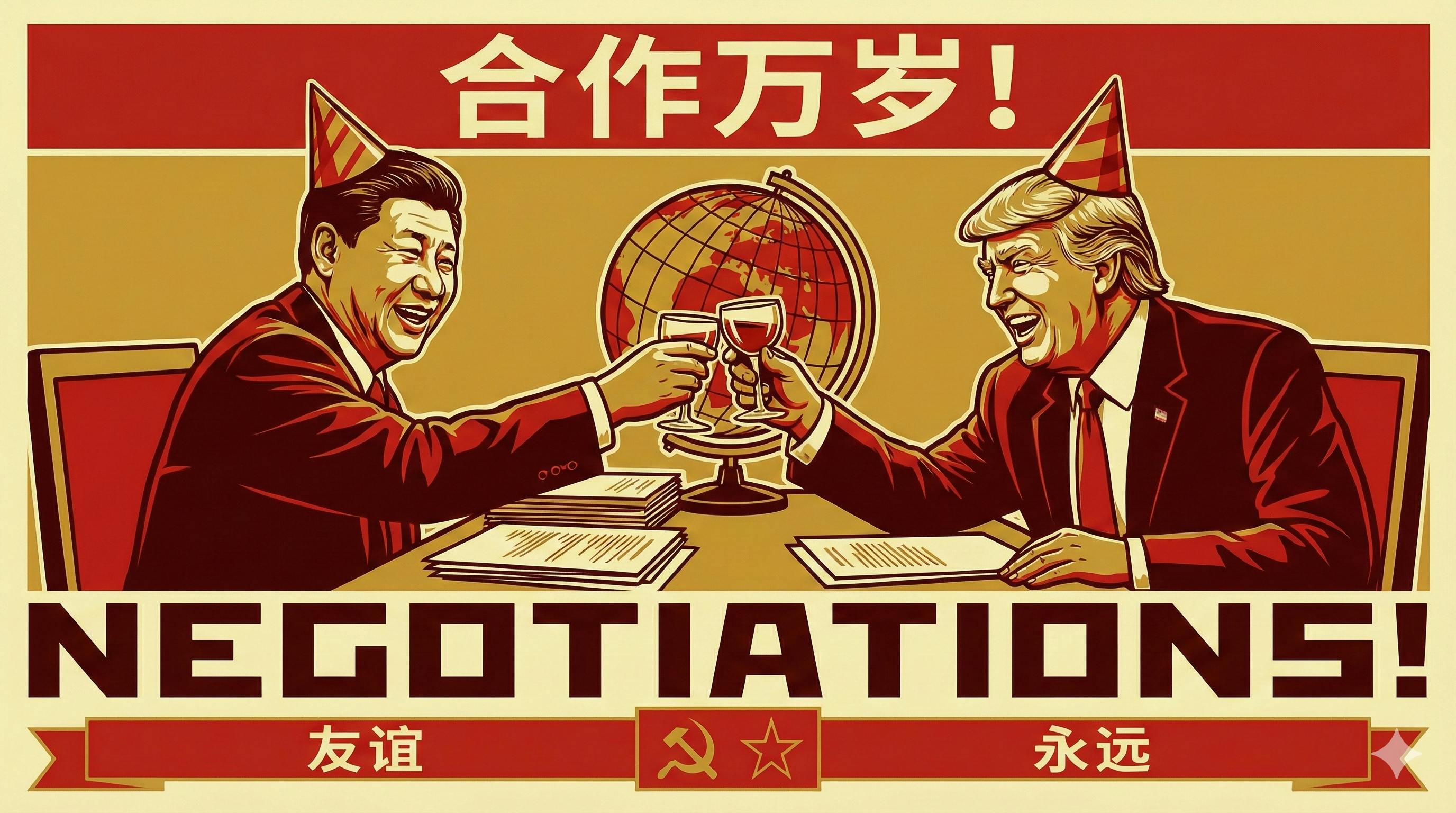
President Xi Jinping used a phone call with President Trump not just for bilateral issues, but to strategically signal displeasure with Japan's hawkish stance on Taiwan. This "shadow play" diplomacy shows China leveraging its relationship with the U.S. to indirectly manage and warn other nations, making the U.S. a channel for its geopolitical messaging.

Facing a potential US pullback and rising Chinese aggression, Japan's leadership is reportedly questioning its long-held "three non-nuclear principles." This signals a major strategic shift, potentially aiming to allow US nuclear vessels in its ports to establish a credible, independent deterrent against China.