Get your free personalized podcast brief
We scan new podcasts and send you the top 5 insights daily.
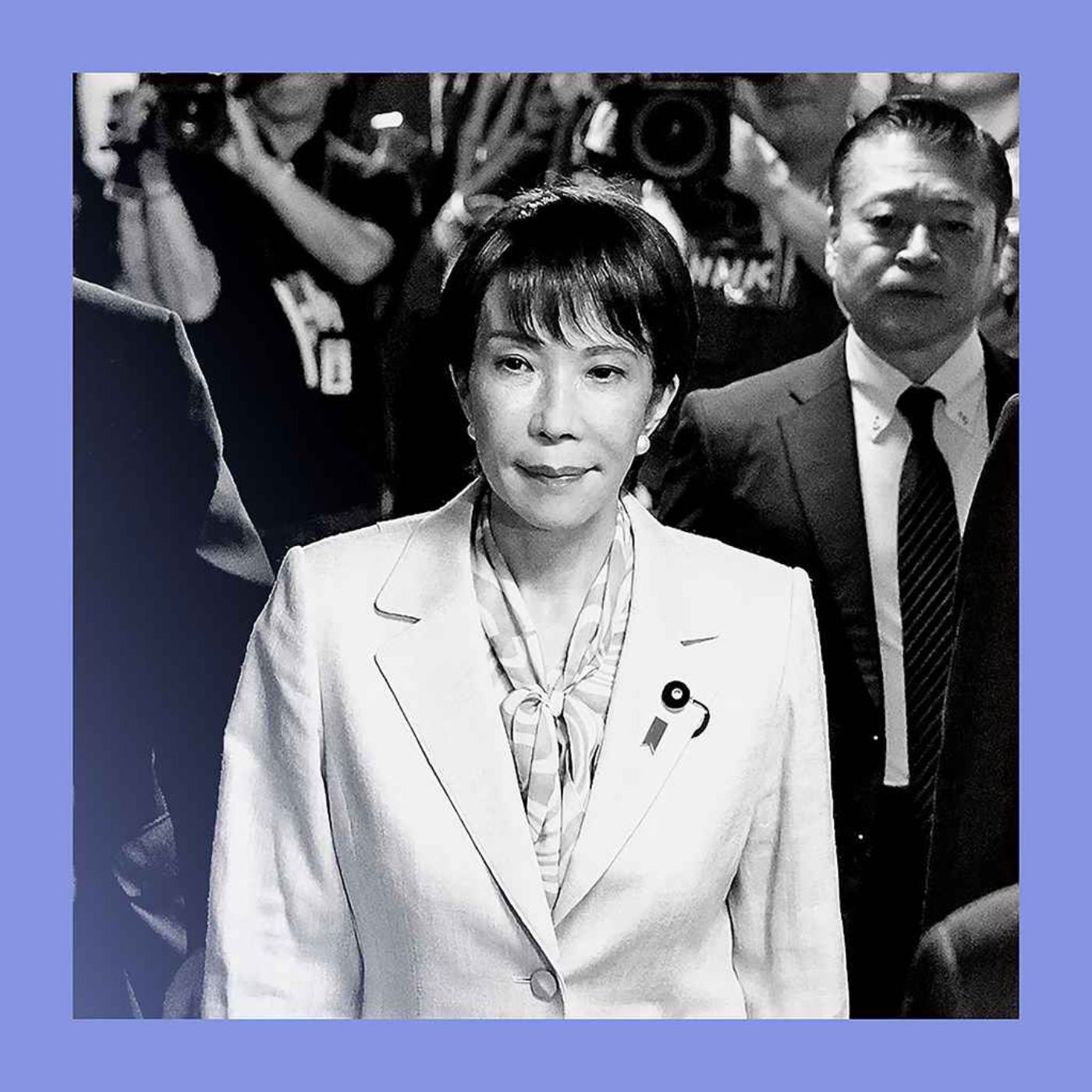
Japan's ruling LDP selected Takaichi Sanae, a leader with a brash, populist aesthetic, not to upend the system but to co-opt populist appeal. This strategy aims to fend off genuine anti-establishment challengers and re-establish the party's grip on power, demonstrating a novel approach to maintaining the status quo.
Related Insights
The appeal of a populist leader lies in their rejection of traditional political norms. When the electorate feels betrayed by the established "political class," they gravitate toward figures whose rhetoric is a deliberate and stark contrast, signaling they are an outsider.

Despite market fears of aggressive "Abenomics 2.0," economist Ayako Fujita argues that Sanai Takaichi's fiscal plans are limited by high inflation. Her proposed policies focus on income redistribution, like tax credits for low-income households, and will take 1-2 years to implement, suggesting a more moderate approach than expected.

While Japan's new LDP leadership creates uncertainty, the fragmented political landscape makes it nearly impossible to assemble a large-scale fiscal package, like a consumption tax cut, before year-end. This temporary paralysis actually lowers the immediate risk of fiscally irresponsible policies that investors fear.
The Takaichi government has a political incentive to support the Bank of Japan's monetary normalization. Allowing inflation and yen depreciation to continue unchecked could undermine consumer confidence and her high approval ratings. Therefore, a gradual BOJ rate hike could be seen as a politically astute move to maintain stability and popular support.
Figures like Donald Trump don't create populist movements; they rise by capitalizing on pre-existing societal problems like economic despair. Focusing on removing the leader ignores the root causes that allowed them to gain power, ensuring another similar figure will eventually emerge.

Contrary to expectations, Japan's first female prime minister, a social conservative, upheld the tradition banning women from the sumo ring. By sending a male proxy to a key ceremony, she signaled that her appointment does not guarantee a challenge to entrenched patriarchal norms, showing representation isn't always reform.

The election of leaders like Japan's female prime minister, who enacts hardline policies, shows that voters are primarily driven by shared values, not identity characteristics. When a leader's ideology matches the electorate's, their gender or race becomes secondary.

Typically, global investors lead rallies in the Japanese equity market. However, the surge following Sanai Takaichi's election saw unusually strong momentum from domestic investors and high public expectation (68% according to one poll). This reversal of the usual pattern suggests a revival of "Abenomics" optimism locally.
Takaichi Sanae's appointment is a historic milestone for gender representation in Japan. However, her political agenda is deeply conservative. She actively opposes key feminist issues, such as allowing separate surnames for married couples, illustrating the crucial distinction between descriptive representation and substantive policy change.
A significant perception gap exists between investor groups. Foreign investors largely expect aggressive fiscal expansion from PM Takaichi, viewing her policies as a continuation of Abenomics. In contrast, domestic investors, recalling that the Abe administration actually narrowed deficits, are less concerned about fiscal discipline and have a more nuanced view.