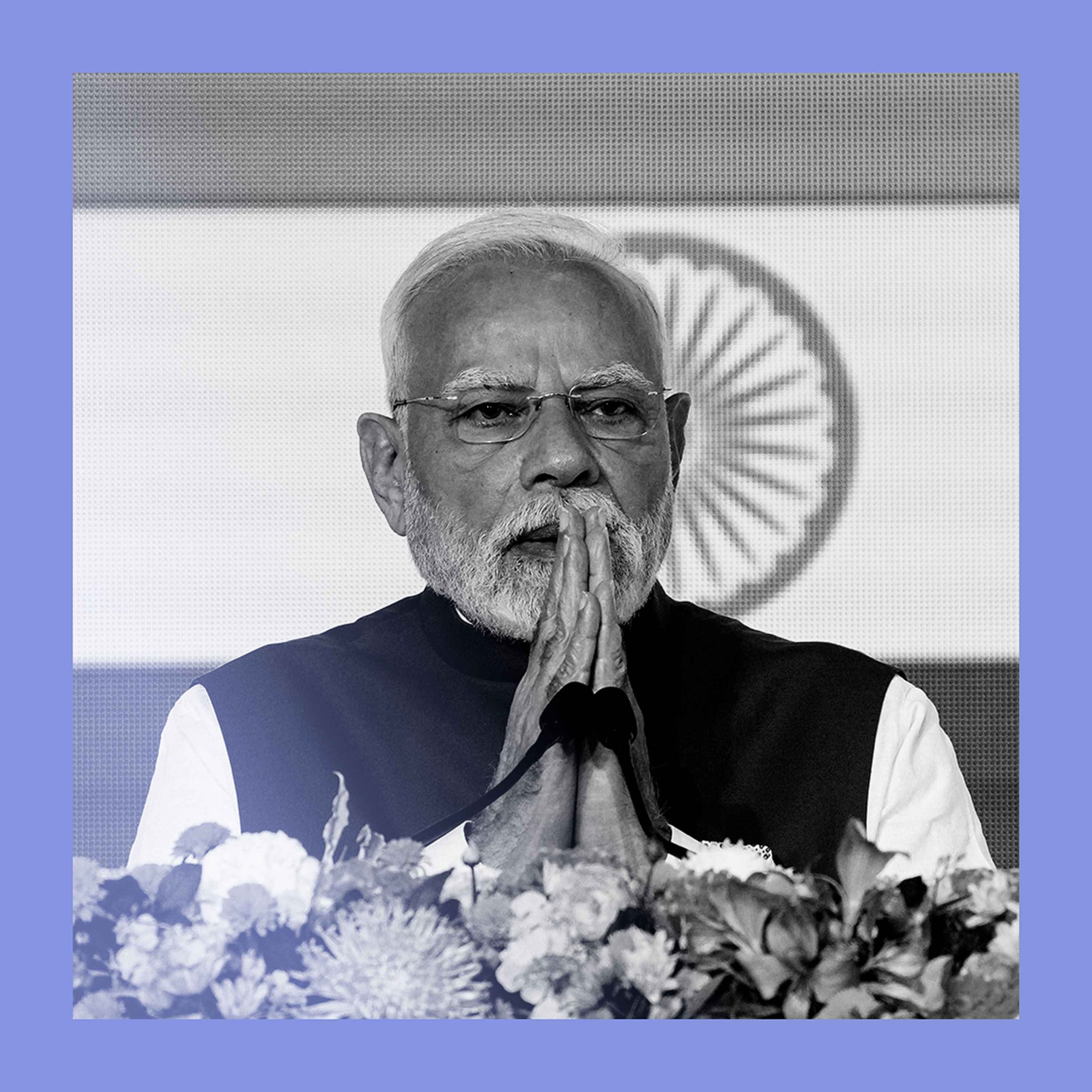
After a disappointing 2024 election where his party lost its majority, Narendra Modi shifted focus from a divisive cultural agenda to pragmatic economic reforms. This includes simplifying taxes, overhauling labor laws, and securing trade deals, a move that has helped him regain political dominance and respond to voter concerns about inflation.
China's "panda diplomacy" is often seen through the lens of gifting animals. However, the more potent signal is their withdrawal. For the first time in 54 years, Japan has no pandas, a direct reflection of cooling relations, especially as China promises new pandas to a friendlier South Korea, indicating shifting regional alignments.
The "Enhanced Learning" theory suggests pursuing diverse activities when young teaches one how to learn effectively. This meta-skill makes specialized training more efficient later on, allowing individuals to rapidly overtake hothoused peers once they decide to focus, explaining why many superstars peak later in their careers.
A study of 34,000 elite performers found that 90% of top-flight adults were not top-flight teenagers, and vice versa. This suggests that early, intense specialization (hothousing) produces high competence but may hinder the development of true superstardom, which often arises from a different, less linear path.
Despite widespread adoration for giant pandas, with fans showing immense emotion at their departure, public sentiment in Japan towards China remains overwhelmingly negative. A recent poll showed nearly 90% of Japanese people hold unfavorable views of China, highlighting the distinct separation between cultural symbols and geopolitical feelings.