Get your free personalized podcast brief
We scan new podcasts and send you the top 5 insights daily.
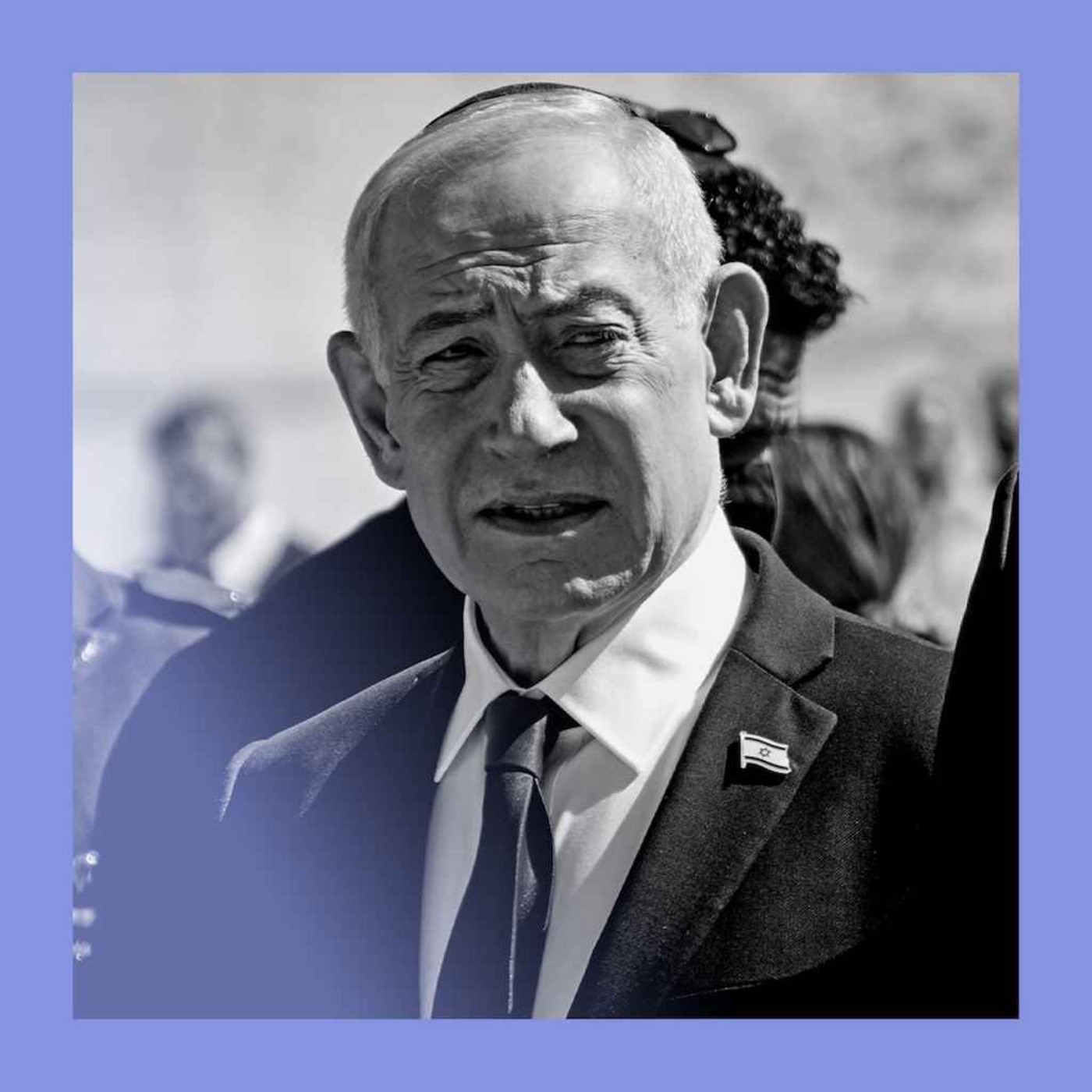
Despite global scrutiny of Israel's actions in Gaza, the upcoming election campaign will be dominated by domestic demands for a reckoning over the intelligence and policy failures that led to the October 7th attack.
Related Insights
With the main war against Iran ending on disadvantageous terms for Israel, Prime Minister Netanyahu is prolonging the conflict with Hezbollah in Lebanon. This allows him to project a "fighting spirit" to his electorate ahead of an election, turning a secondary front into a primary stage for political posturing.

The brutality of the October 7th attacks and the subsequent reaction on Western campuses created a 'phase shift' for many Jews. It shattered a sense of security and complacency that had developed in the West, reawakening a feeling of isolation and geopolitical precariousness for the Jewish people.

The US needed a conflict that offered the 'appearance of victory' and could be quickly concluded. Israel's goals were more fundamental: ensuring it could never again face a surprise attack, implying a longer, more disruptive war. This misalignment created strategic tension between the allies.

The October 7th attacks, intended to advance the Palestinian cause, were a catastrophic strategic error. They eliminated previous restraints on Israel, allowing it to unleash its full military capacity as the region's superpower, ultimately leading to the decimation of Hamas, Hezbollah, and their primary sponsor, Iran.

Benjamin Netanyahu's political survival doesn't solely depend on winning a majority. A key advantage is the high probability that the opposition, even with more collective seats, will struggle to form a stable governing coalition, potentially allowing him to remain in power.
After decades covering the region, Jeffrey Goldberg now identifies with the "fatalist, realist camp." He believes all parties—from Netanyahu's government to Hamas—have "screwed this up beyond measure," making traditional solutions seem impossible and moving him ideologically to Israel's center-left.

Israel's traditional public relations approach, which defaults to demonstrating military strength and dismissing criticism, is becoming counterproductive. It fails to build alliances and win the global "PR battle," which is as crucial for long-term survival as military victory.
Jake Sullivan, reflecting on the post-October 7th period, concludes that the Biden administration should have applied more pressure on the Israeli government to change its approach in Gaza. This marks a significant admission and signals a potential future shift towards more conditional support for Israel.
Beyond its well-known financial lobby, Israel's political power is attributed to providing valuable, and perhaps "ill-gotten," intelligence that US agencies can't touch. This creates a dependency that presidents are unwilling to sever, regardless of political pressure.

For Israeli PM Benjamin Netanyahu, an inconclusive end to the war with Iran would be a significant political blow. After claiming a "victory for generations" just eight months prior, another stalemate would undermine his credibility with the Israeli public ahead of an election, making a clear win essential.
