Get your free personalized podcast brief
We scan new podcasts and send you the top 5 insights daily.
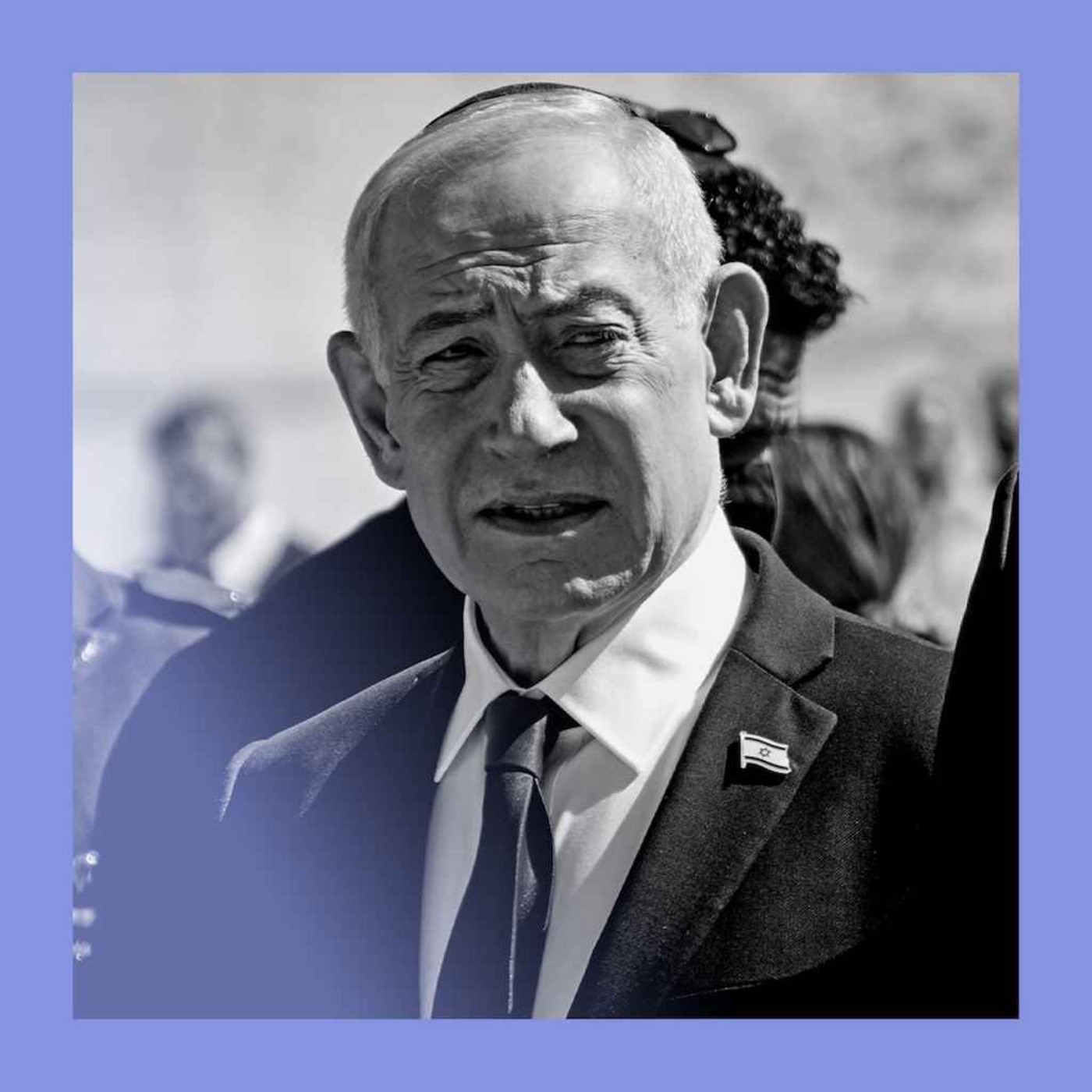
Benjamin Netanyahu's political survival doesn't solely depend on winning a majority. A key advantage is the high probability that the opposition, even with more collective seats, will struggle to form a stable governing coalition, potentially allowing him to remain in power.
Related Insights
Yitzhak Rabin believed normalizing Arab relations required solving the Palestinian conflict. Benjamin Netanyahu's doctrine flipped this: use US military might to neutralize hostile Arab regimes, thereby bypassing the need to address Palestinian statehood at all, a core tenet of his political career.

The effectiveness of a congressional majority hinges on its internal cohesion. A "robust" majority can unify to extract policy concessions, while a "fragile" one is hampered by internal disagreement, leading to political noise without meaningful action.

Despite his party holding very few seats in Congress, President Javier Milei successfully enacts his agenda by maintaining enormous popular support. This pressures opposition parties to cooperate, as they fear voter backlash if they are seen to obstruct his popular policies.

A political party might intentionally trigger a government shutdown not to win policy concessions, but to create a public narrative of a dysfunctional opposition. The true victory isn't legislative but reputational, aiming to sway voters in upcoming elections by making the ruling party look incompetent.

With the main war against Iran ending on disadvantageous terms for Israel, Prime Minister Netanyahu is prolonging the conflict with Hezbollah in Lebanon. This allows him to project a "fighting spirit" to his electorate ahead of an election, turning a secondary front into a primary stage for political posturing.

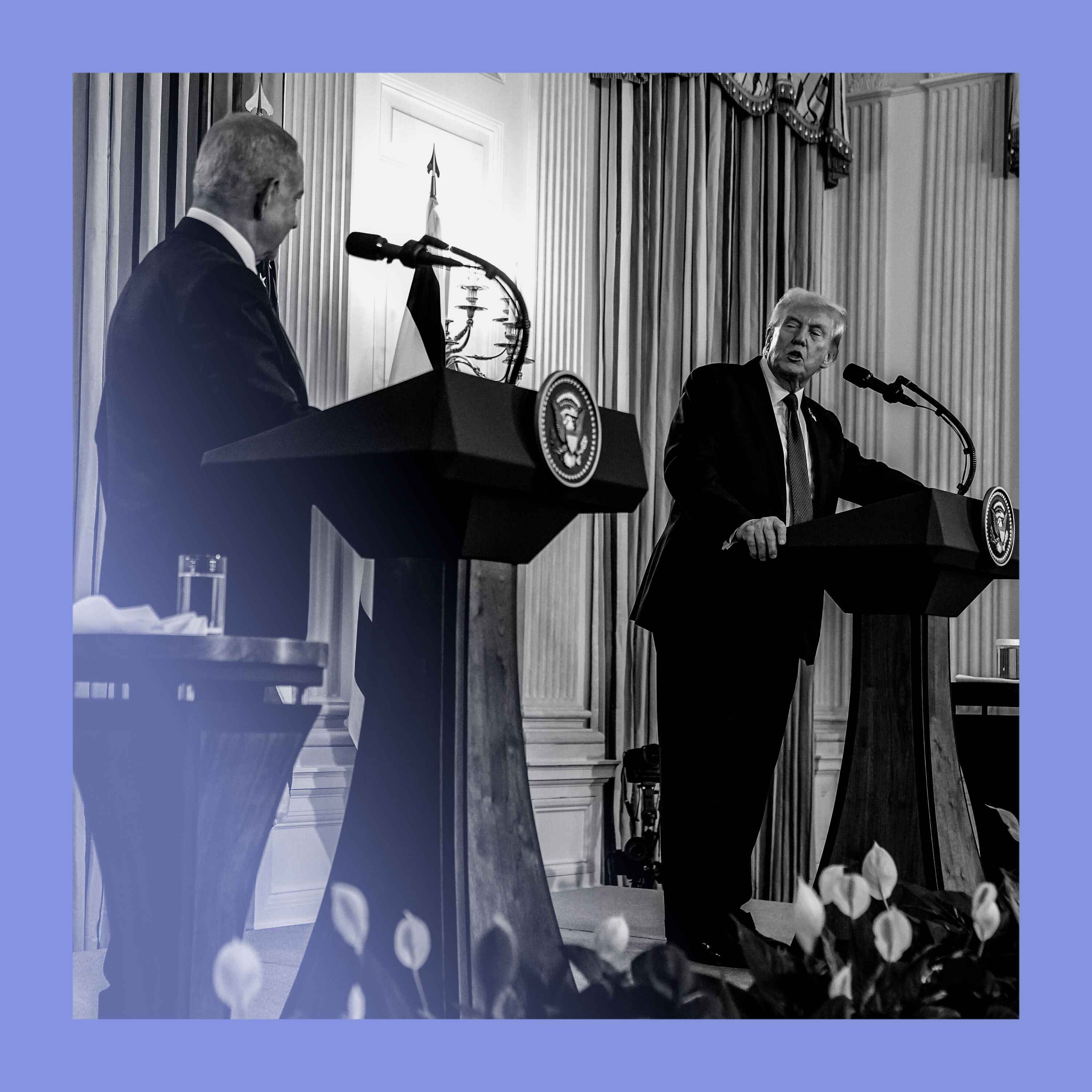
Israeli PM Netanyahu's acceptance of the peace plan is a study in contradiction. While publicly endorsing the deal, he immediately rejected a key component: a role for the Palestinian Authority in post-war Gaza. This tactic creates 'wiggle room' and signals a lack of genuine buy-in, challenging the deal's future.
In a "jungle primary," where the top two candidates advance regardless of party, having too many strong candidates is a liability. They can split the vote, allowing two minority party candidates to win. This requires strong party leadership to intervene and consolidate support behind one person.

Contrary to his hawkish reputation, Benjamin Netanyahu is deliberately lowering Israel's profile regarding Iran's internal protests. This strategic silence aims to prevent the embattled Iranian regime from feeling cornered and launching a preemptive attack out of paranoia.

UK Labour leader Keir Starmer's survival of a leadership crisis is aided by the lack of a clear, consensus-driven successor. Each potential challenger carries significant political baggage or lacks broad party support. This disunity among would-be challengers gives a weakened incumbent a path to cling to power, despite widespread dissatisfaction.

For Israeli PM Benjamin Netanyahu, an inconclusive end to the war with Iran would be a significant political blow. After claiming a "victory for generations" just eight months prior, another stalemate would undermine his credibility with the Israeli public ahead of an election, making a clear win essential.
