Get your free personalized podcast brief
We scan new podcasts and send you the top 5 insights daily.
After decades covering the region, Jeffrey Goldberg now identifies with the "fatalist, realist camp." He believes all parties—from Netanyahu's government to Hamas—have "screwed this up beyond measure," making traditional solutions seem impossible and moving him ideologically to Israel's center-left.

Related Insights
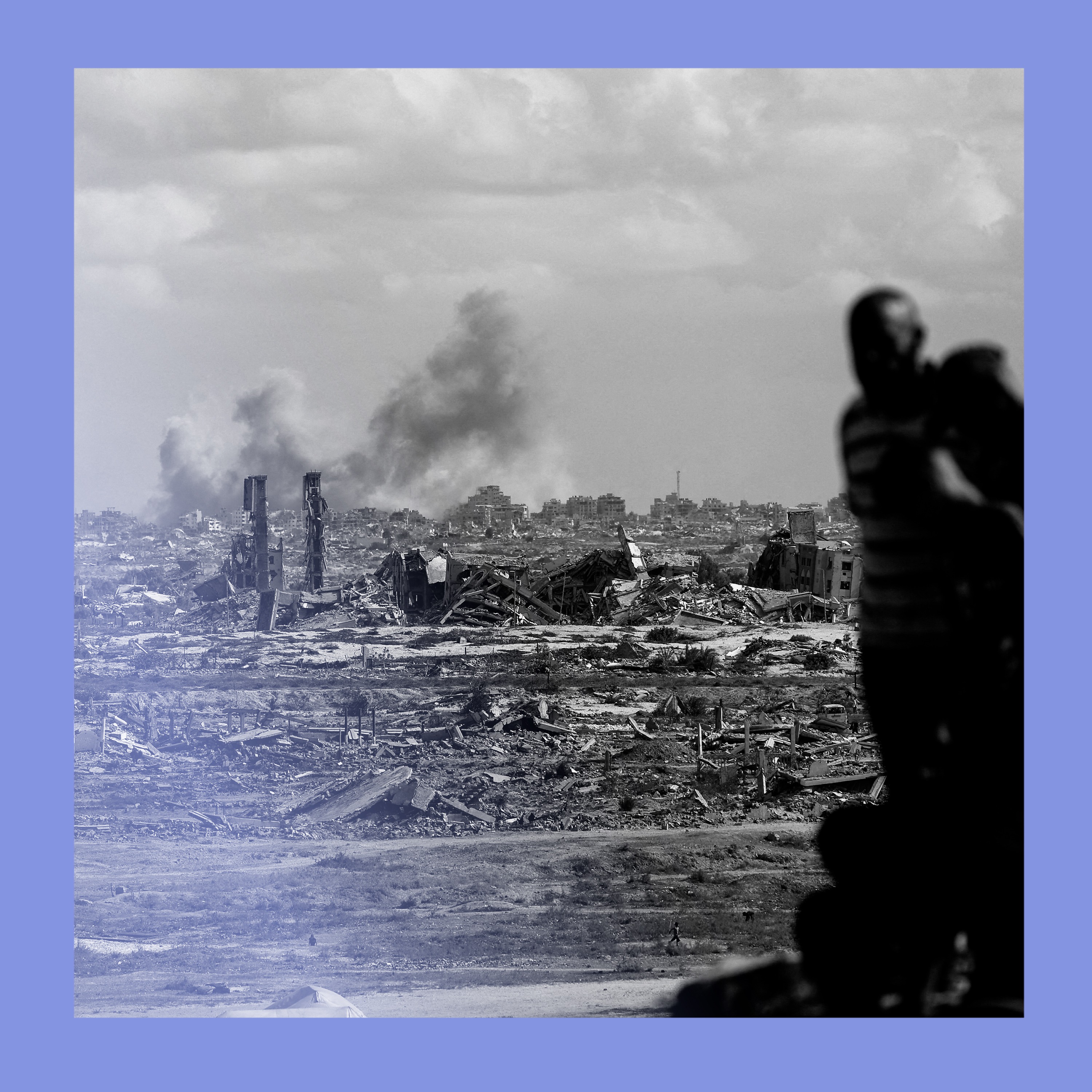
The Israeli withdrawal from Gaza, without Hamas being disarmed or an international force in place, creates a space for violent clashes. Hamas, armed gangs, and powerful clans are already competing for control, illustrating a critical risk in phased peace plans where security is not transferred seamlessly.

Unlike predecessors who acted as "Israel's lawyer," Trump's administration applied coercive pressure to both Israeli and Hamas leadership. According to diplomats, this impartial approach was the key to brokering a peace deal where past efforts failed.

The October 7th attacks, intended to advance the Palestinian cause, were a catastrophic strategic error. They eliminated previous restraints on Israel, allowing it to unleash its full military capacity as the region's superpower, ultimately leading to the decimation of Hamas, Hezbollah, and their primary sponsor, Iran.

Israeli PM Netanyahu's acceptance of the peace plan is a study in contradiction. While publicly endorsing the deal, he immediately rejected a key component: a role for the Palestinian Authority in post-war Gaza. This tactic creates 'wiggle room' and signals a lack of genuine buy-in, challenging the deal's future.
For deep-seated issues like the Israeli-Palestinian conflict, pursuing a grand final solution is often counterproductive. A better approach is to "shrink the conflict" through practical, tangible steps like building transportation corridors, which can reduce friction and build momentum for an eventual resolution.

A botched Israeli airstrike in Qatar, a key US ally, was the true catalyst for renewed US peace efforts. The fear of the conflict spiraling out and drawing in other American allies—disrupting a broader Middle East agenda—prompted a decisive push for a resolution, more so than the ongoing tragedy in Gaza itself.
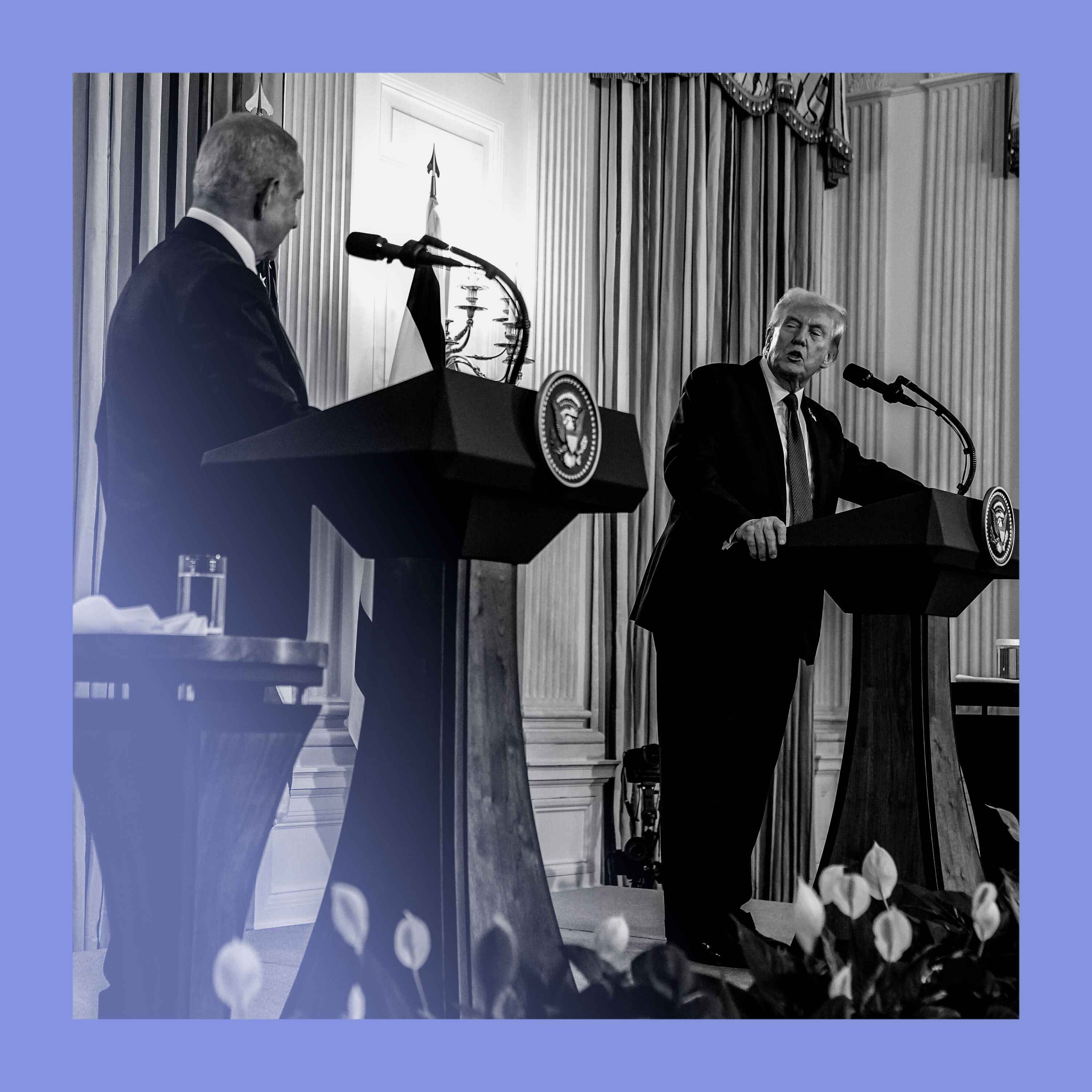
The proposed peace deal’s elements have been discussed for months. The breakthrough isn't the plan itself, but President Trump's willingness to strong-arm Israeli Prime Minister Netanyahu into agreement, a tactic previously avoided by both Trump and his predecessor Joe Biden.
Viewing the conflict as two rational sides in a misunderstanding is flawed. Both sides see the other as an existential threat and are willing to use extreme violence to achieve their goals. This reframes the narrative from a political dispute to a primal, violent tribal conflict where both sides see themselves as righteous.

The viability of a two-state solution depends entirely on the nature of the new Palestinian government. A state cannot achieve stability if it is run by a terrorist organization like Hamas. The international community's push for statehood is meaningless without addressing the internal governance that perpetuates violence.

Former National Security Advisor Jake Sullivan argues that Israel's refusal to allow foreign journalists into Gaza is a significant problem. It prevents independent verification of claims from combatants on either side of the conflict, creating an information vacuum and setting back the cause of transparency.