Get your free personalized podcast brief
We scan new podcasts and send you the top 5 insights daily.
The conflict reveals a dual nature of US support. While advanced American military equipment like missile defense systems proved highly effective in mitigating attacks, the political commitment to intervene and protect Gulf interests has repeatedly disappointed regional leaders, creating a crisis of confidence.

Related Insights
Countries like the UAE and Saudi Arabia are ambivalent about US military action. Their primary fear is not a full-scale war, but a limited 'hit-and-run' strike where the US attacks and then diverts attention, leaving them 'naked and vulnerable' to Iranian retaliation without a long-term American security presence.

Shattered by their vulnerability and perceived US unreliability during the Iran conflict, Gulf states are poised for a defense spending spree. Rather than relying solely on the US, they are likely to diversify their military suppliers to include Europe and South Korea, aiming for a more independent, 'armed neutrality' posture.

Once a symbol of American power, US bases are now vulnerable, above-ground targets for Iran's precision drones. This undermines the US's role as a regional protector and causes allies like Saudi Arabia to seek security guarantees elsewhere, turning assets into liabilities.

The US has long used the threat of military force to keep the Strait of Hormuz open. By failing to act despite a large naval presence, it has revealed this deterrent is hollow. This hands Iran a proven economic weapon and erodes the credibility of US power projection globally.
Despite extensive lobbying, massive investments, and oil production increases aimed at pleasing the Trump administration, Gulf leaders failed to prevent a regional war. Their efforts were ultimately overridden by US prioritization of Israeli security interests, a major strategic miscalculation for the Gulf.
While the war highlights the danger of the US partnership, Gulf states are counterintuitively forced to deepen their reliance on American military support for immediate defense. This creates a strategic paradox: they need the US for short-term survival but see the alliance as a long-term liability.
The US administration rejected a battle-proven Ukrainian solution for downing Iranian drones before the conflict began, only to need their help later. This failure to leverage allied expertise, especially from a nation with direct experience against similar threats, showcases a critical and ironic gap in US military preparedness.
Contrary to common assumptions, the Gulf Cooperation Council (GCC) states have a higher density of advanced air defense systems, like Patriot and THAAD, than European NATO members on a per capita and per-kilometer basis. This highlights a significant shift in regional military investment and preparedness away from traditional Western powers.
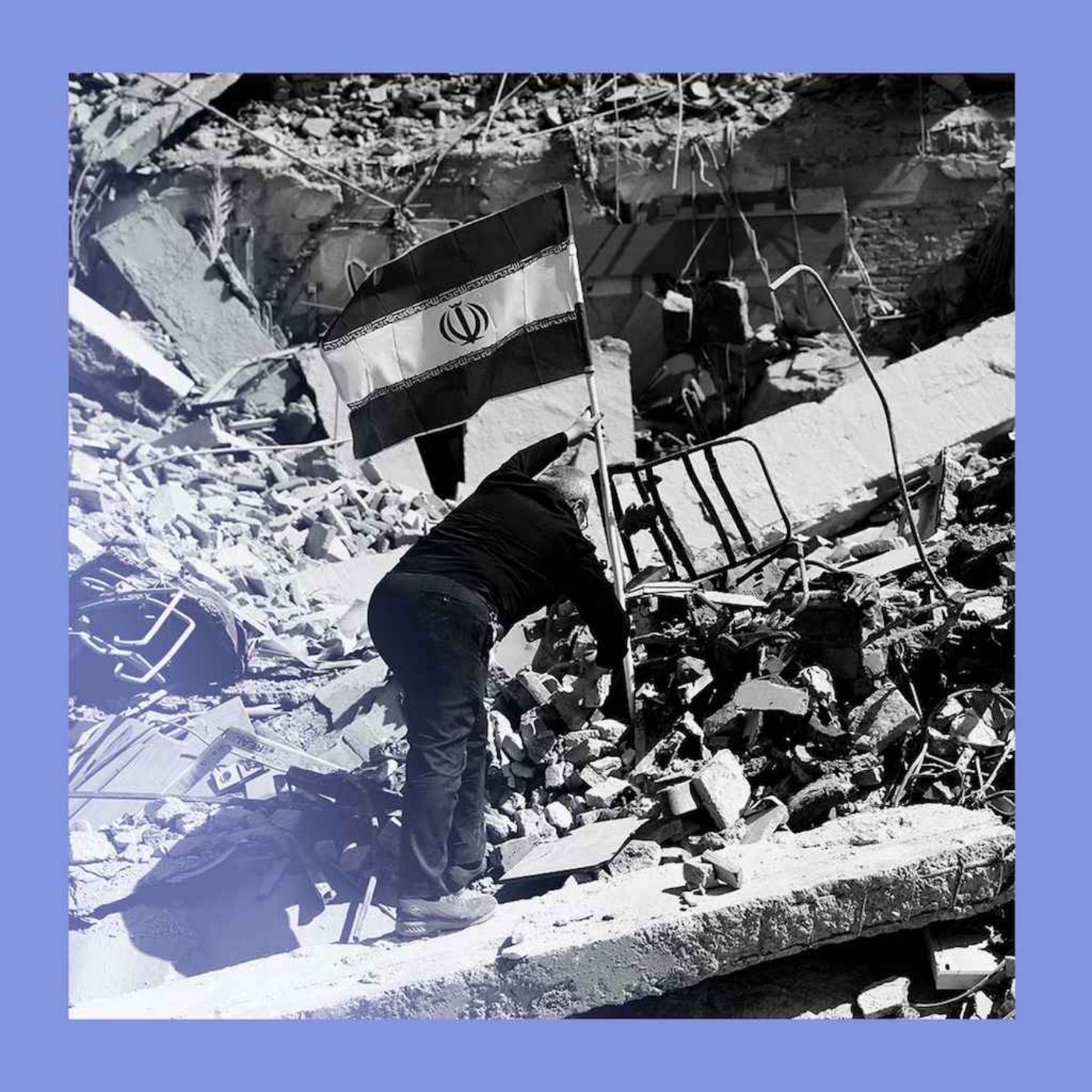
The conflict reveals a critical vulnerability: nations burn through advanced interceptor missiles at a rate that vastly outpaces annual production. Firing two interceptors per incoming missile means that even well-stocked Gulf states could exhaust their pre-war supplies in days, exposing a major bottleneck in the defense supply chain.
Feeling exposed by a US they perceive as prioritizing Israel's defense, Gulf states are pursuing a "portfolio approach" to security. This involves creating smaller, multi-country defense pacts with nations like Pakistan, Turkey, and South Korea to build resilience beyond their traditional alliance with Washington.
