Get your free personalized podcast brief
We scan new podcasts and send you the top 5 insights daily.
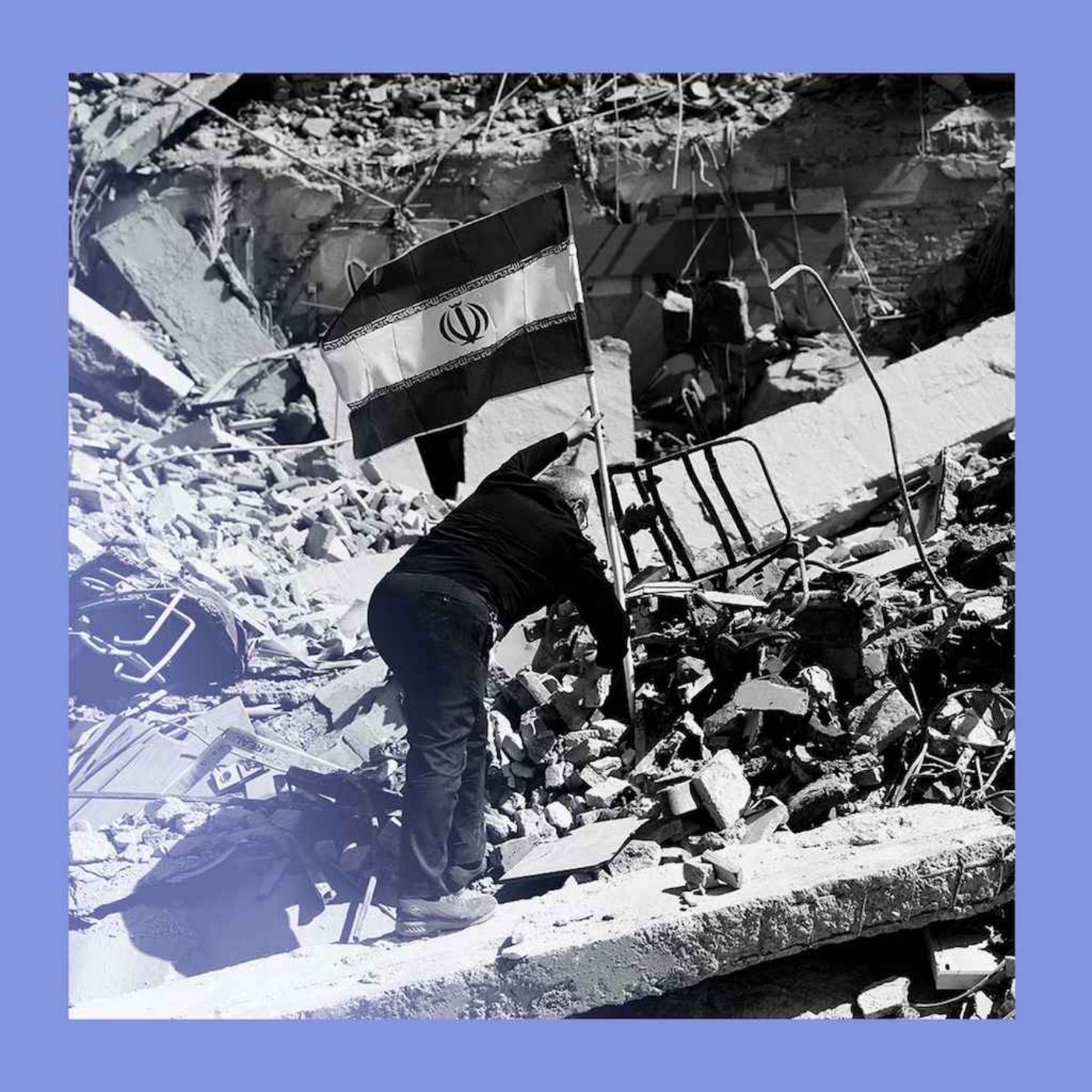
Contrary to common assumptions, the Gulf Cooperation Council (GCC) states have a higher density of advanced air defense systems, like Patriot and THAAD, than European NATO members on a per capita and per-kilometer basis. This highlights a significant shift in regional military investment and preparedness away from traditional Western powers.
Related Insights
Russia's use of cheap drones creates a significant economic and strategic challenge for NATO. The current defensive approach is financially unsustainable, as seen when Poland used a million-dollar missile on a cheap drone. This asymmetry is forcing Europe to develop new, low-cost interception methods, such as a continent-wide "drone wall".
With the U.S. stepping back from its traditional leadership role, European countries are creating new, direct alliances to ensure their own security. A notable example is the emerging UK-Scandinavia-Baltic-Poland axis, which signals a fundamental shift in the continent's geopolitical architecture away from a singular reliance on Washington.

Massive backlogs for critical US military hardware are making America an unreliable supplier. This strategic vulnerability is pushing allied nations to develop their own defense industrial bases, creating a huge market for companies like Anduril that can co-develop and establish local production.

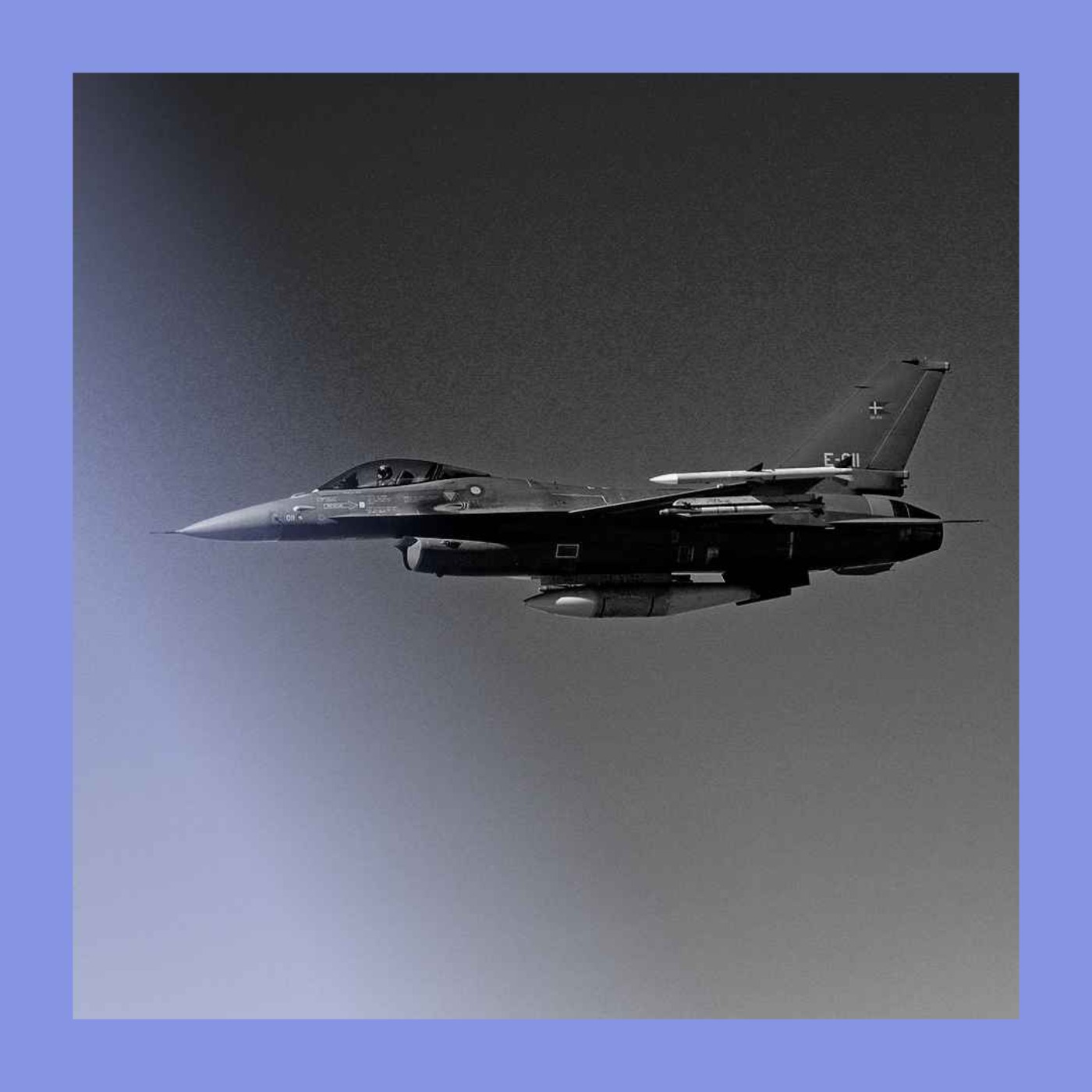
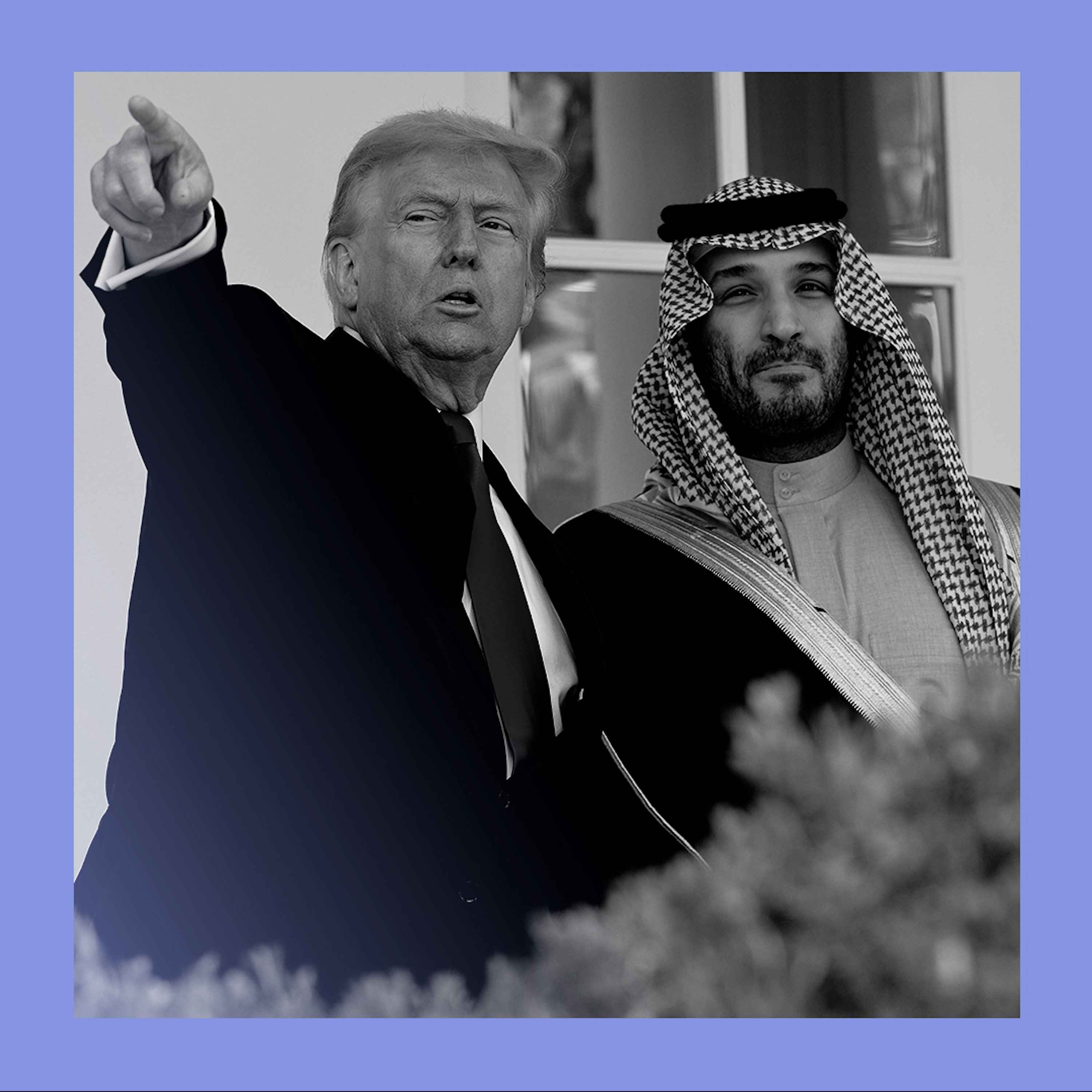
The US decision to sell its most advanced fighter jets to Saudi Arabia marks a significant shift in regional military dynamics. This move worries Israel, which relies on its technological military edge to maintain its status as a regional power, signaling a potential realignment of power in the Middle East.
By forcing the U.S. to operate its air defense systems at scale, the conflict in Iran is inadvertently providing China with a treasure trove of intelligence. The Chinese can observe how these systems perform, identify weaknesses, and refine their own tactics for a potential future conflict.

President Macron is shifting French doctrine by inviting countries like Germany and Poland into strategic nuclear discussions. This is not a rival to NATO, but a parallel security arrangement designed as a hedge against uncertainty over America's commitment to European defense.

The conflict reveals a critical vulnerability: nations burn through advanced interceptor missiles at a rate that vastly outpaces annual production. Firing two interceptors per incoming missile means that even well-stocked Gulf states could exhaust their pre-war supplies in days, exposing a major bottleneck in the defense supply chain.
Geopolitical uncertainty is forcing economic and security policy to merge. Events like the Munich Security Conference now signal future inflationary pressures, as nations plan massive spending on defense and strategic infrastructure in response to shifting alliances.

Iran's attacks on GCC nations are not random. They are a calculated strategy to force these states to divert capital from US AI investments towards domestic defense, thereby undermining the backbone of the US economy.

Countries are rapidly increasing defense spending due to global instability and the US's shifting role. Massive backlogs for US equipment, like a reported 15-year wait for Patriot missiles, are forcing allies to invest in domestic production and R&D for assured supply.