Get your free personalized podcast brief
We scan new podcasts and send you the top 5 insights daily.
Shattered by their vulnerability and perceived US unreliability during the Iran conflict, Gulf states are poised for a defense spending spree. Rather than relying solely on the US, they are likely to diversify their military suppliers to include Europe and South Korea, aiming for a more independent, 'armed neutrality' posture.

Related Insights
Countries like the UAE and Saudi Arabia are ambivalent about US military action. Their primary fear is not a full-scale war, but a limited 'hit-and-run' strike where the US attacks and then diverts attention, leaving them 'naked and vulnerable' to Iranian retaliation without a long-term American security presence.

Beyond financial diversification, Gulf States may be using their significant investments in American venture capital as a bargaining chip. By threatening to review or pull back these commitments, they can apply economic pressure on the US administration to seek diplomatic solutions to conflicts like the Iran war.

Massive backlogs for critical US military hardware are making America an unreliable supplier. This strategic vulnerability is pushing allied nations to develop their own defense industrial bases, creating a huge market for companies like Anduril that can co-develop and establish local production.

Contrary to common assumptions, the Gulf Cooperation Council (GCC) states have a higher density of advanced air defense systems, like Patriot and THAAD, than European NATO members on a per capita and per-kilometer basis. This highlights a significant shift in regional military investment and preparedness away from traditional Western powers.
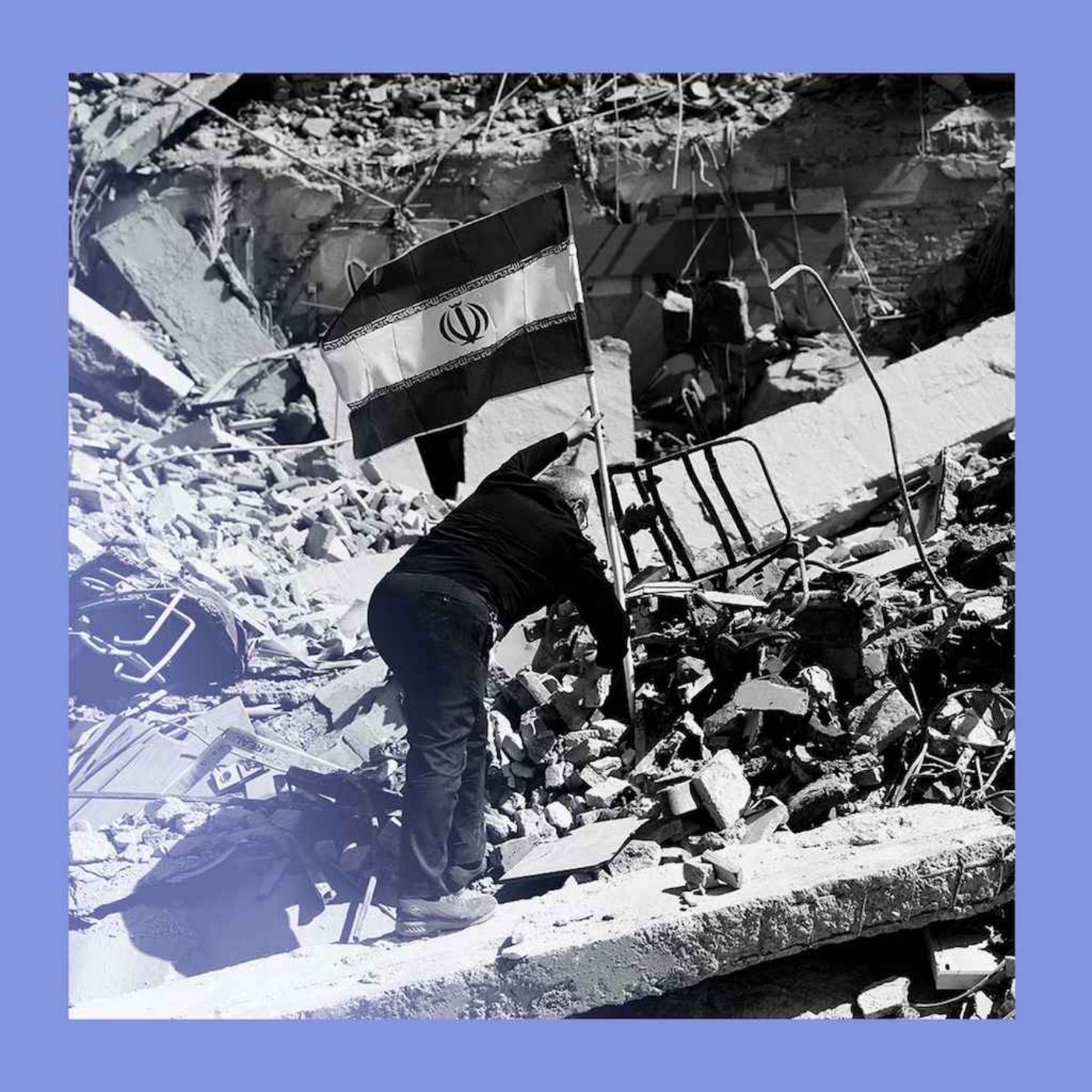
Feeling exposed by a US they perceive as prioritizing Israel's defense, Gulf states are pursuing a "portfolio approach" to security. This involves creating smaller, multi-country defense pacts with nations like Pakistan, Turkey, and South Korea to build resilience beyond their traditional alliance with Washington.

Iran's attacks on GCC nations are not random. They are a calculated strategy to force these states to divert capital from US AI investments towards domestic defense, thereby undermining the backbone of the US economy.

Iran's attempt to sow regional instability by attacking nine Arab countries backfired. Instead of creating chaos, these militarily insignificant 'pinprick' attacks eliminated neutrality and pushed Gulf states to fully support the US-Israeli mission against Iran, viewing it as a necessary response.
Countries are rapidly increasing defense spending due to global instability and the US's shifting role. Massive backlogs for US equipment, like a reported 15-year wait for Patriot missiles, are forcing allies to invest in domestic production and R&D for assured supply.

While Gulf sovereign wealth funds invest in US VC to diversify away from oil and regional instability, an active conflict directly strains their budgets. This pressure from reduced energy income and increased defense spending forces them to reconsider overseas commitments, testing the limits of their diversification strategy.

A cynical but plausible US strategy is to provoke conflicts, like with Iran, and then withdraw. This forces regional allies such as Saudi Arabia and the UAE to manage the fallout by purchasing billions in American weaponry, creating a forced market for the defense industry.
