Get your free personalized podcast brief
We scan new podcasts and send you the top 5 insights daily.
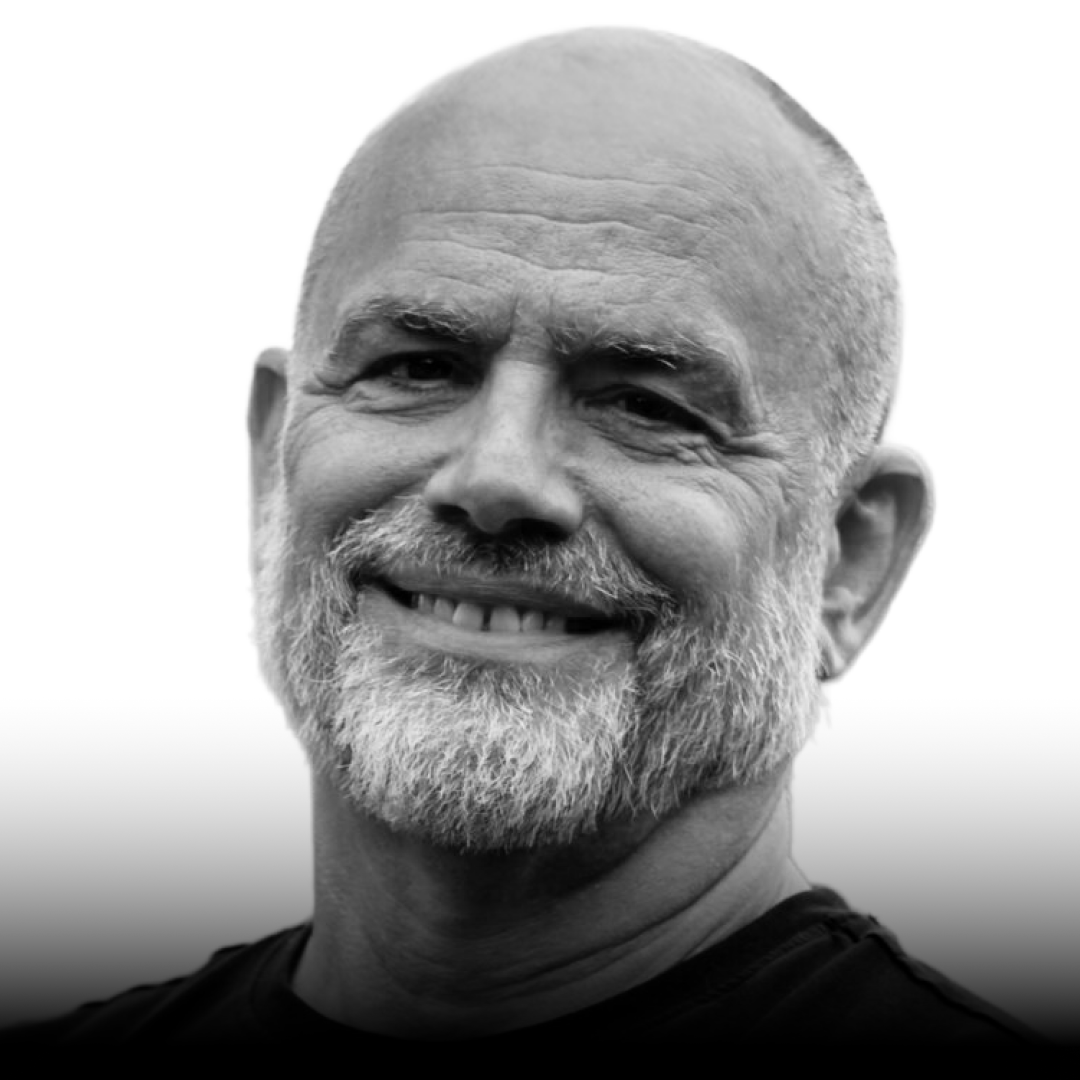
Author and EMT Mike Perry contrasts the raw reality of emergency calls—suicide attempts, accidents—with the manufactured urgency of Hollywood meetings. This proximity to mortality grounds him, counteracting the "gimlet-eyed drive" and putting professional anxieties into a larger, more humane perspective.
Related Insights
Mike Perry found his nursing education invaluable for his writing career. The skill of "holistic human assessment"—evaluating a person's entire context, not just their immediate symptoms—directly translates to the writer's work of developing deep, realistic characters and understanding complex human motivations.
A psychologist combated his own severe anxiety by engaging in activities like team basketball and loud rock concerts. These experiences allowed him to "get outside of himself" and lose his narrow preoccupations, demonstrating that awe-inducing activities can be a powerful therapeutic escape from anxiety's self-focus.

Facing a life-threatening illness can paradoxically improve performance. After his cancer diagnosis, the speaker's goals narrowed from "shooting for the moon" to a methodical, daily focus on incremental improvement. This post-traumatic growth eliminated distractions and fostered a consistency that led to elite success in both his running and professional careers.

When facing the immense pressure of doing Oprah's eyebrows on live TV, Anastasia Soare’s calm came from having performed the task thousands of times. This deep, repetitive mastery creates an autopilot mode that overrides fear and ensures quality performance when the stakes are highest.

Facing mortality provides intense clarity, forcing you to make difficult decisions. It exposes which relationships are inauthentic or unhealthy, compelling you to cut ties. This painful pruning is essential for true personal growth.

The startup world is an insular, high-pressure echo chamber. A powerful way to maintain mental health is to regularly connect with people completely outside of it, like family. These conversations ground founders, contextualize startup crises, and provide a source of energy rooted in a bigger purpose.

Facing the finitude of life can pivot your motivation system. Instead of chasing external rewards like money or status, which seem meaningless in the face of death, you become driven by an intrinsic desire to discover the absolute ceiling of your capabilities.

Experiencing a true life tragedy, such as losing a spouse, fundamentally recalibrates one's perspective. It creates a powerful mental filter that renders materialistic envy and minor daily frustrations insignificant. This resilience comes from understanding the profound difference between a real problem and a mere inconvenience.

Steve Garrity maintains perspective during high-stress situations, like a 2 a.m. contract negotiation, by comparing them to his worst days battling cancer. This "perspective reframing" technique diminishes the perceived severity of current challenges, fostering grit. Any professional can adopt this by using their own past adversities as a benchmark.

The period when Bugsy Malone knew a blood clot could kill him at any moment was paradoxically blissful. The situation was completely out of his hands, freeing him from the immense pressure of his own ambition and the fear of failure.