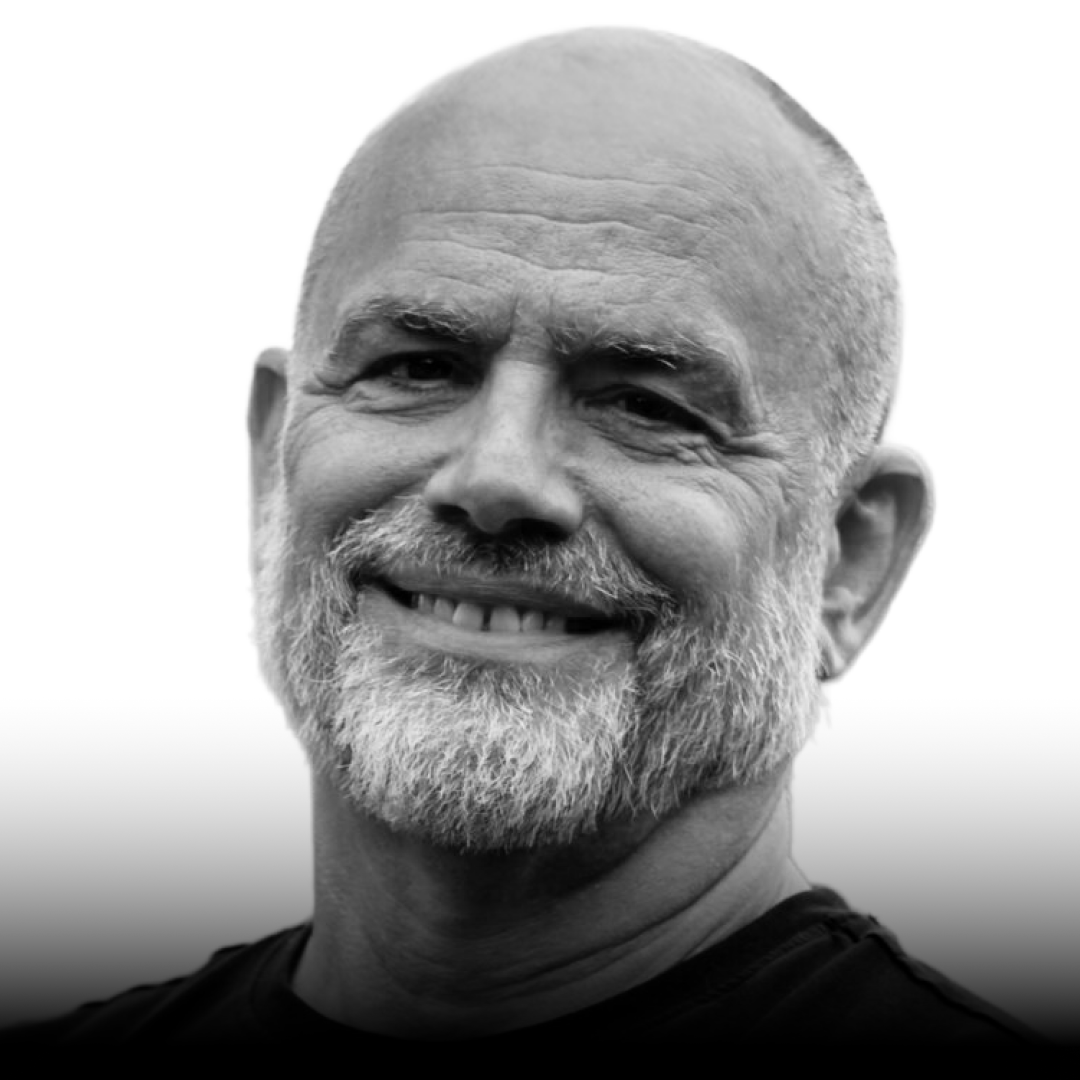
Author Mike Perry turned down a career-making appearance on Oprah because the show wanted to cast him as a "hero," a narrative that oversimplified his message about HIV awareness. He recognized that accepting would compromise his story's integrity and that he wasn't yet ready for that platform, choosing long-term authenticity over short-term gain.
Author Mike Perry, though shy, adopted Mark Twain's strategy of using paid speaking engagements to supplement unpredictable book income. This has become one of his most reliable revenue streams, offering a practical financial model for artists and writers.
Author Mike Perry's first $1000 freelance check was invested on a friend's advice. Even though it was years before he could add to it, this single act created a foundation of financial security that enabled him to continue making art without constant money worries.
Twain took full responsibility for his writing but consistently blamed external partners for his frequent business failures, even those he personally selected and praised. This highlights a common psychological split where creators hold different standards of accountability for their art versus their commercial ventures.
Mike Perry's grandfather declined a top executive promotion, choosing to remain a VP of sales where he excelled and was happy. This embodies an inversion of the Peter Principle: intentionally stopping at one's peak level of competence and satisfaction, rather than striving for the next, potentially ill-fitting, rung on the ladder.
When his publisher claimed firefighters "aren't readers," author Mike Perry booked himself at their conventions. By telling stories in their own vernacular and reflecting their experiences, he sold hundreds of books per event. This shows that authentic engagement with a niche community can unlock markets that traditional gatekeepers overlook.
Author and EMT Mike Perry contrasts the raw reality of emergency calls—suicide attempts, accidents—with the manufactured urgency of Hollywood meetings. This proximity to mortality grounds him, counteracting the "gimlet-eyed drive" and putting professional anxieties into a larger, more humane perspective.
Mike Perry found his nursing education invaluable for his writing career. The skill of "holistic human assessment"—evaluating a person's entire context, not just their immediate symptoms—directly translates to the writer's work of developing deep, realistic characters and understanding complex human motivations.
To get past the rehearsed answers of country music stars, author Mike Perry started asking an unexpected question: "Tell me about your bus driver." This peripheral query broke the script, prompting genuine, hour-long conversations and revealing far more than the standard questions ever could. It's a powerful journalistic technique.
If he could implant one idea into the world's population, author Mike Perry would choose the understanding that "kindness is not weakness." He argues that bravado is a poor replacement for genuine empathy and that this fundamental misunderstanding is at the root of many societal ills.
Author Mike Perry, from a blue-collar family, feels a persistent tension valuing his creative work. He identifies as a "writer with a small w," contrasting his intangible output with the physical labor of his family, a common psychological hurdle for artists from practical backgrounds.
Author Mike Perry distills the Midwestern work ethic into two simple actions: show up when you say you will, and ask "what can I do next?" when a task is done. In a professional world where this level of reliability is rare, these basic habits become a significant competitive advantage.
To get his first book deal, the host ignored the standard advice of finding an agent and instead sent query letters to 100 publishers listed in a directory. This naive, high-volume strategy, while defying industry protocol, resulted in two offers, demonstrating that direct, persistent action can succeed without insider knowledge.
Mike Perry notes that many of his mentors and elders became "bitter and brittle" as they aged because they resisted the world's changes. This observation highlights the importance of adaptability and "navigation." As Lao Tzu taught, that which is brittle breaks; staying flexible is essential to aging gracefully without bitterness.