Get your free personalized podcast brief
We scan new podcasts and send you the top 5 insights daily.
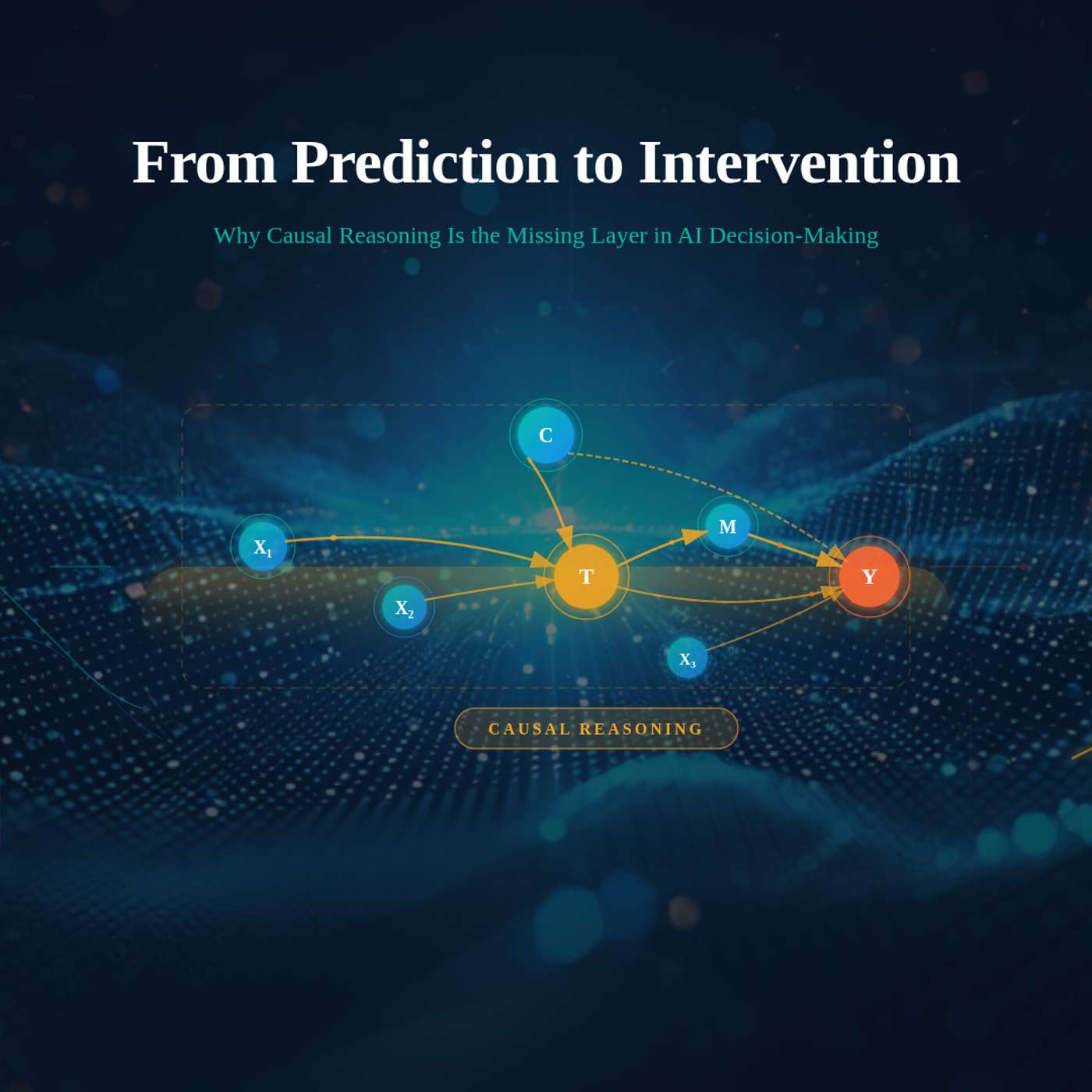
In a skeptical, regulated industry, simply predicting an outcome is insufficient. Causal AI is non-negotiable because it provides a 'glass box' explanation for its recommendations. It connects outputs to data points and biological reasoning, satisfying the critical 'why' questions from both sponsors and regulators.
Related Insights
For high-stakes decisions like halting a clinical trial, current AI models lack the reproducibility and explainability demanded by regulators. The 'Brakes' platform deliberately avoids AI in its core decision engine, applying it instead to adjacent problems like patient subgroup analysis where the stakes for error are different.
To gain trust from medical and regulatory teams, AI companies must move beyond being 'tech demos.' The key is to build solutions as medical products with transparent validation, reproducible results, and deep integration into existing clinical workflows. Trust is earned through reliability over time, not just peak performance on a single dataset.
An estimated 80% of companies fail to scale their AI initiatives because they are caught in a 'prediction trap.' Their models produce accurate forecasts but do not support or inform actual business decisions, rendering them commercially ineffective. Causal reasoning is positioned as the solution to bridge this gap from prediction to actionable intelligence.
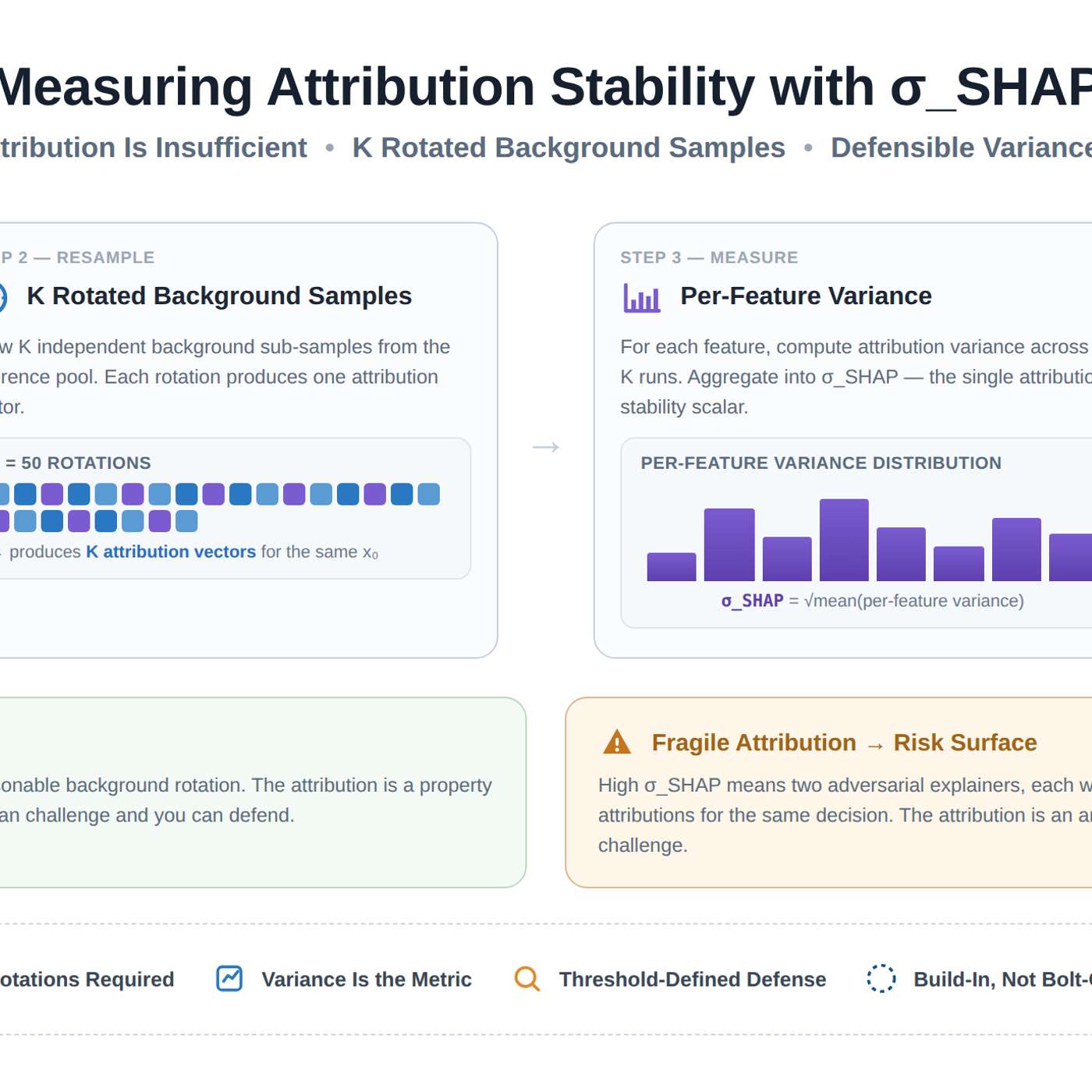
In regulated industries, the best model isn't always the most accurate. A model with slightly lower predictive performance but highly stable and defensible explanations is more valuable operationally. Attribution stability should be a key criterion in model selection, alongside traditional metrics like F1-score.
Predictive models often mistake correlation for causation, leading to poor decisions. For example, a model might link marketing spend to revenue, but causal analysis can reveal that customer seasonality is the true cause of both. This deeper understanding prevents wasteful investments based on misleading correlations.
Standard AI models trained on public, observational biological data excel at descriptive tasks but underperform even linear models on causal predictions. To predict cellular responses to drug-like perturbations, models must be trained specifically on causal data generated from targeted experiments.
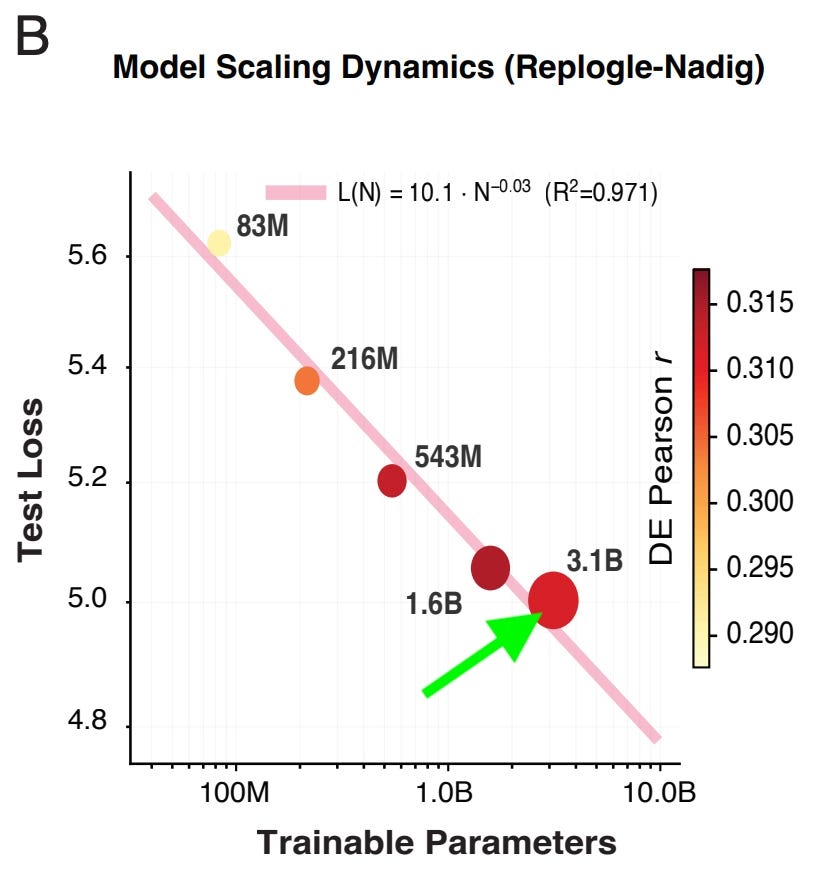
Eroom's Law (Moore's Law reversed) shows rising R&D costs without better success rates. A key culprit may be the obsession with mechanistic understanding. AI 'black box' models, which prioritize predictive results over explainability, could break this expensive bottleneck and accelerate the discovery of effective treatments.

For AI systems to be adopted in scientific labs, they must be interpretable. Researchers need to understand the 'why' behind an AI's experimental plan to validate and trust the process, making interpretability a more critical feature than raw predictive power.

To overcome the "black box" problem in medical AI, Effion Health provides clinicians with a dashboard that reveals the specific parameters used to calculate its biomarker score. This transparency allows doctors to understand the AI's reasoning, fostering the trust required for confident clinical decision-making.
Achieving explainability in AI for drug development isn't about post-hoc analysis. It requires building models from the ground up using inherently interpretable data like RNA sequencing and mutational profiles. When the inputs are explainable, the model's outputs become explainable by design.