Get your free personalized podcast brief
We scan new podcasts and send you the top 5 insights daily.
Arizona's ability to build new industries quickly may stem from not being tied to a legacy identity like oil, gas, or automotive. This lack of 'industrial sediment' prevents the institutional inertia that can slow down other states from pivoting to new technologies like semiconductors.
Related Insights
Poland's status as a technological latecomer became an advantage. Without sunk costs in legacy systems that hindered Western European incumbents (like German automakers slow to adopt EVs), Poland could adopt modern tech like 5G and digital payments directly, accelerating its growth.

Effective US industrial policy should foster competition among states rather than imposing top-down federal plans. By offering federal loans with equity kickers to states that opt-in to host critical industries like mining or chip fabs, the government can incentivize reshoring while allowing for a market-driven, locally-supported approach.

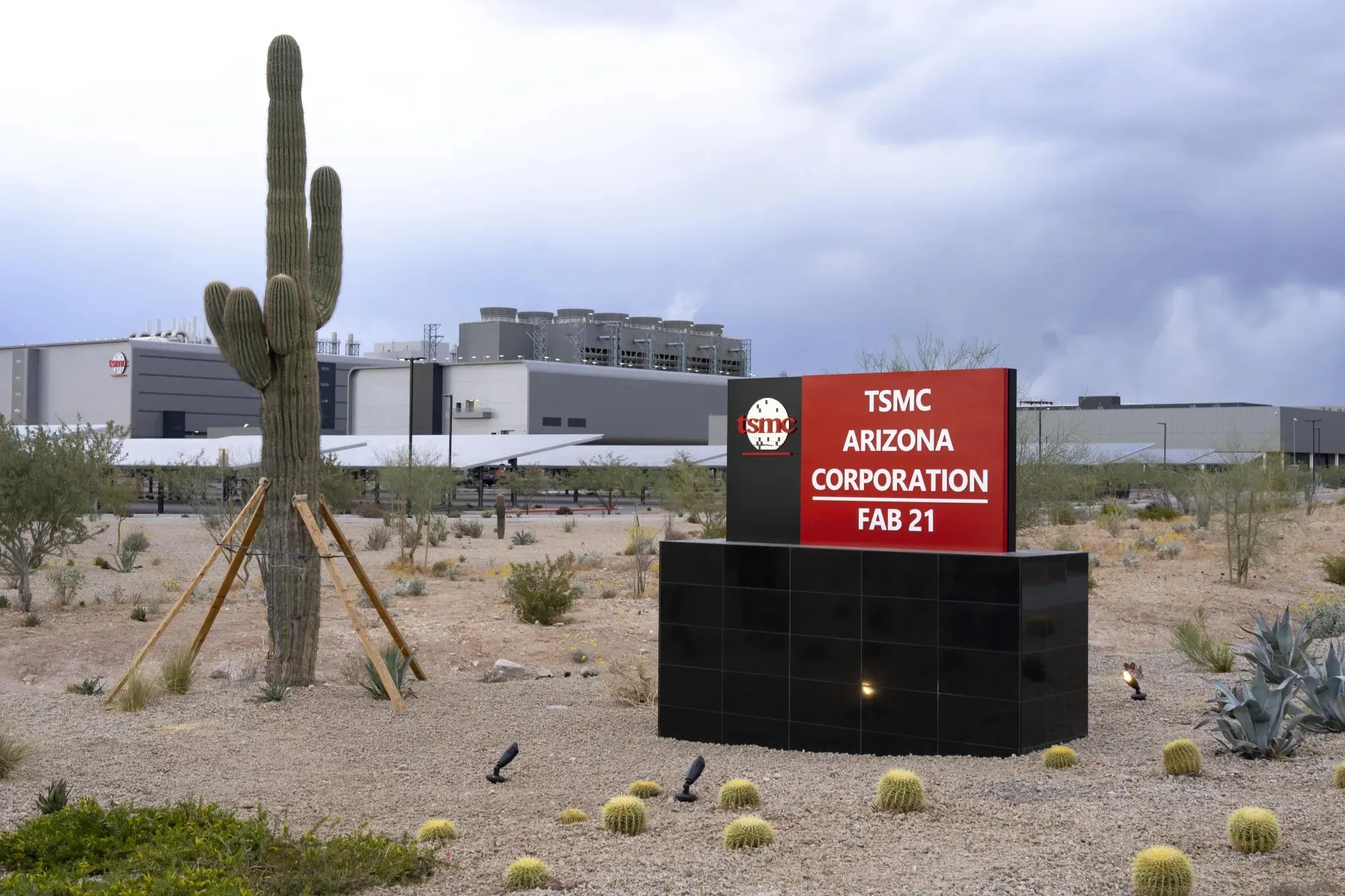
A key benefit of attracting companies like Intel and TSMC is not just job creation, but talent retention. ASU has the nation's largest engineering school, but graduates historically left for jobs elsewhere. These new fabs provide compelling local opportunities, reversing the state's brain drain.
For manufacturing startups, factory location is a critical strategic decision. They should prioritize states where local governments actively partner with them to expedite permits, guarantee power, and assist with hiring, avoiding regulatory bottlenecks found elsewhere.

A long-standing state law mandates that new developments in metro areas prove a 100-year water supply. While once a regulatory hurdle, this policy now provides certainty to water-intensive businesses like semiconductor fabs, making Arizona more attractive than other drought-prone Western states.
While the fabless semiconductor model is blamed for the U.S. losing manufacturing, it was a crucial enabler for innovation. It allowed design-focused companies like Apple, NVIDIA, and Qualcomm to de-risk manufacturing and focus on creating new technologies, highlighting a key tradeoff between industrial base and innovation velocity.

China strategically skipped competing in established markets like internal combustion engines to focus on emerging technologies like electric vehicles. This allowed them to build a competitive advantage from the ground up, leveraging their domestic market and dense supply chains to become world leaders.
![John Arnold - China, Energy Markets and Fixing America's Systems - [Invest Like the Best, EP.461] thumbnail](https://megaphone.imgix.net/podcasts/8d466670-1755-11f1-baf2-dfb3d97a3978/image/4ec9ac82b5c7a937e9e90aa69d037805.jpg?ixlib=rails-4.3.1&max-w=3000&max-h=3000&fit=crop&auto=format,compress)
Instead of creating a tech sector from scratch, the most effective path is to identify and invest in tech niches adjacent to a city's existing industries (e.g., Energy Tech for an oil town). This leverages existing talent, infrastructure, and supply chains, making the transition more natural and sustainable.

The primary benefit of a robust domestic manufacturing base isn't just job creation. It's the innovation that arises when diverse industries physically coexist and their technologies cross-pollinate, leading to unexpected breakthroughs and real productivity gains.

Large corporations can afford lobbyists and consultants to navigate geopolitical shifts, but their size makes strategic pivots notoriously difficult. This creates opportunities for agile startups and SMEs, which can adapt their strategies and organizations much faster to the changing landscape.