Get your free personalized podcast brief
We scan new podcasts and send you the top 5 insights daily.
In-Q-Tel, a nonprofit VC associated with the CIA, provides the early-stage equity funding that breakthrough technologies need to survive. This model successfully addresses a market failure where traditional VCs won't invest and government loans are unsuitable for tech startups.

Related Insights
To prevent promising startups from failing from funding gaps—the "Valley of Death"—the DoD actively "crowds capital" around them. This stack includes rapid R&D contracts, manufacturing grants, and low-cost loans from a $200B lending authority.

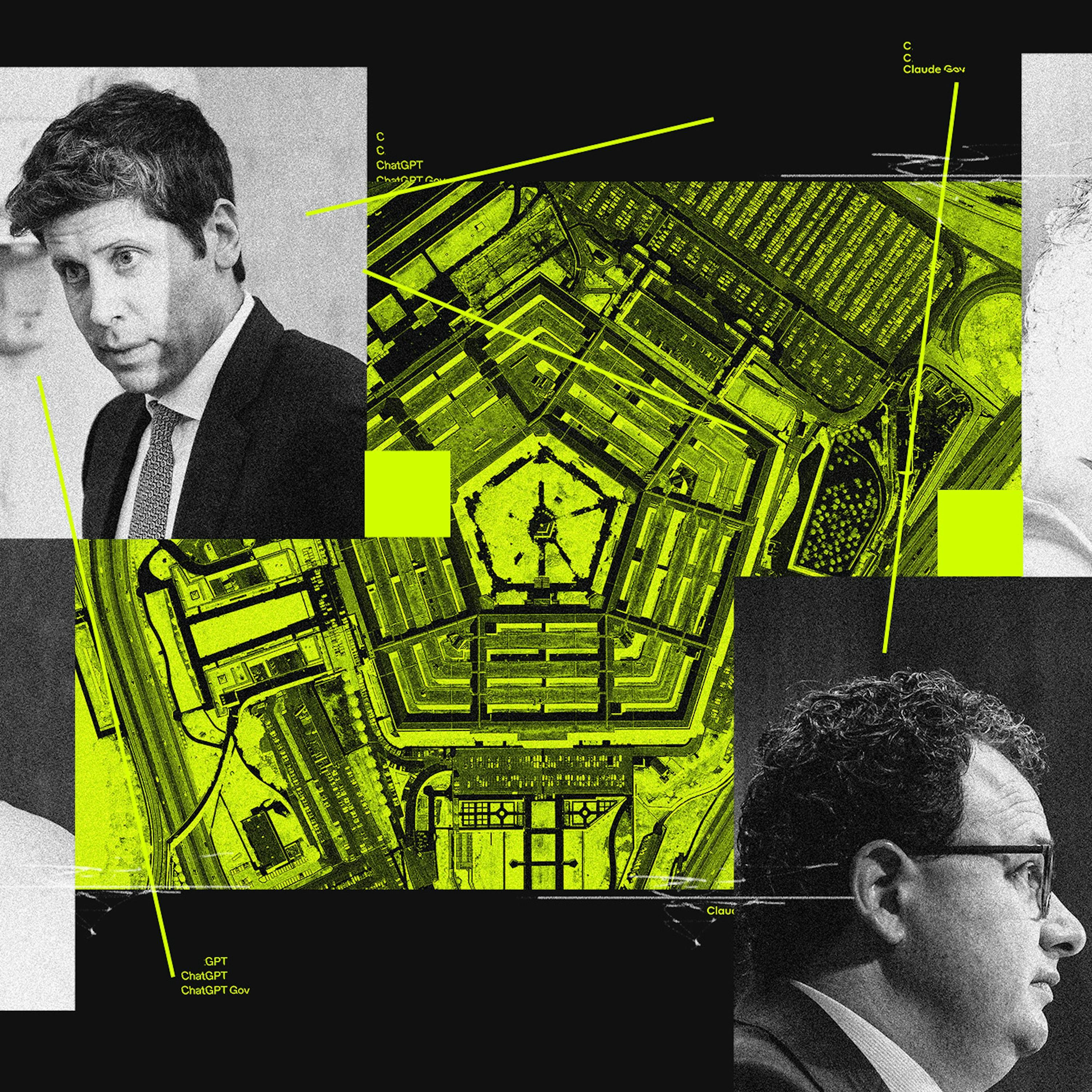
Leading AI companies, facing high operational costs and a lack of profitability, are turning to lucrative government and military contracts. This provides a stable revenue stream and de-risks their portfolios with government subsidies, despite previous ethical stances against military use.
The most effective government role in innovation is to act as a catalyst for high-risk, foundational R&D (like DARPA creating the internet). Once a technology is viable, the government should step aside to allow private sector competition (like SpaceX) to drive down costs and accelerate progress.

Private capital is more efficient for defense R&D than government grants, which involve burdensome oversight. Startups thrive when the government commits to buying finished products rather than funding prototypes, allowing VCs to manage the risk and de-burdening small companies.

Tech companies often use government and military contracts as a proving ground to refine complex technologies. This gives military personnel early access to tools, like Palantir a decade ago, long before they become mainstream in the corporate world.

Companies pursuing revolutionary technologies like autonomous driving (Waymo) or VR (Reality Labs) must endure over a decade of massive capital burn before profitability. This affirms venture capital's core role in funding these long-term, high-risk, high-reward endeavors.

Breakthrough technology companies in strategic sectors are often too risky for traditional VC but cannot sustain the debt-based instruments offered by most government programs. This creates a specific "equity valley of death" that stifles innovation in critical areas like rare earths.
A significant, under-the-radar shift has occurred in venture capital: the U.S. government is now a key partner and co-investor in early-stage deep tech. Firms like Voyager Ventures report that nearly half their portfolio companies have government deals, with entities like In-Q-Tel becoming frequent co-investors, marking a new era of public-private collaboration.

For deep tech startups lacking traditional revenue metrics, the fundraising pitch should frame the market as inevitable if the technology works. This shifts the investor's bet from market validation to the team's ability to execute on a clear technical challenge, a more comfortable risk for specialized investors.

Building MVPs for startups in exchange for equity is extremely risky because 95% of them will fail. This model requires the agency to rigorously validate each startup's idea, market, and founder, similar to a VC firm. Without this de-risking, the agency is effectively working on a portfolio of doomed projects for free.
