Get your free personalized podcast brief
We scan new podcasts and send you the top 5 insights daily.
The Trump administration is intentionally keeping Venezuela's most popular opposition figure, Maria Carina Machado, out of negotiations. This counterintuitive strategy aims to make the current regime more willing to participate, even if it risks undermining the talks' democratic legitimacy.
Related Insights
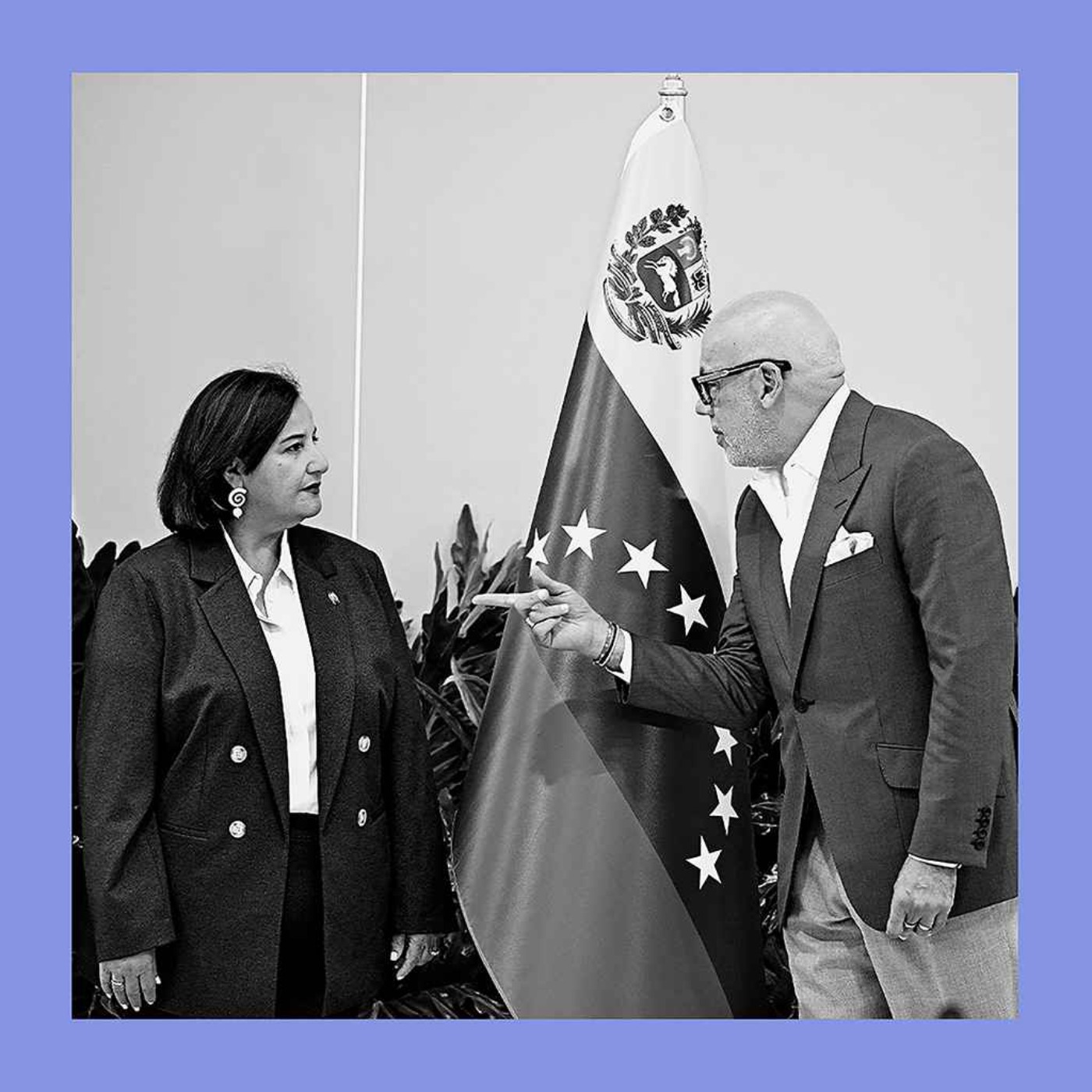
The Venezuelan regime strategically placed earthquake relief on the negotiation agenda. This serves as a pretext to discuss their primary goals: relief from foreign sanctions and access to frozen state assets, framing them under a humanitarian guise.
According to Maria Corina Machado, Nicolás Maduro's rise to power was not an internal decision but a direct choice by the Cuban government. Having been trained in Cuba and demonstrating total loyalty to the Castro regime, Maduro was selected to ensure Cuba's continued influence and control over Venezuela.
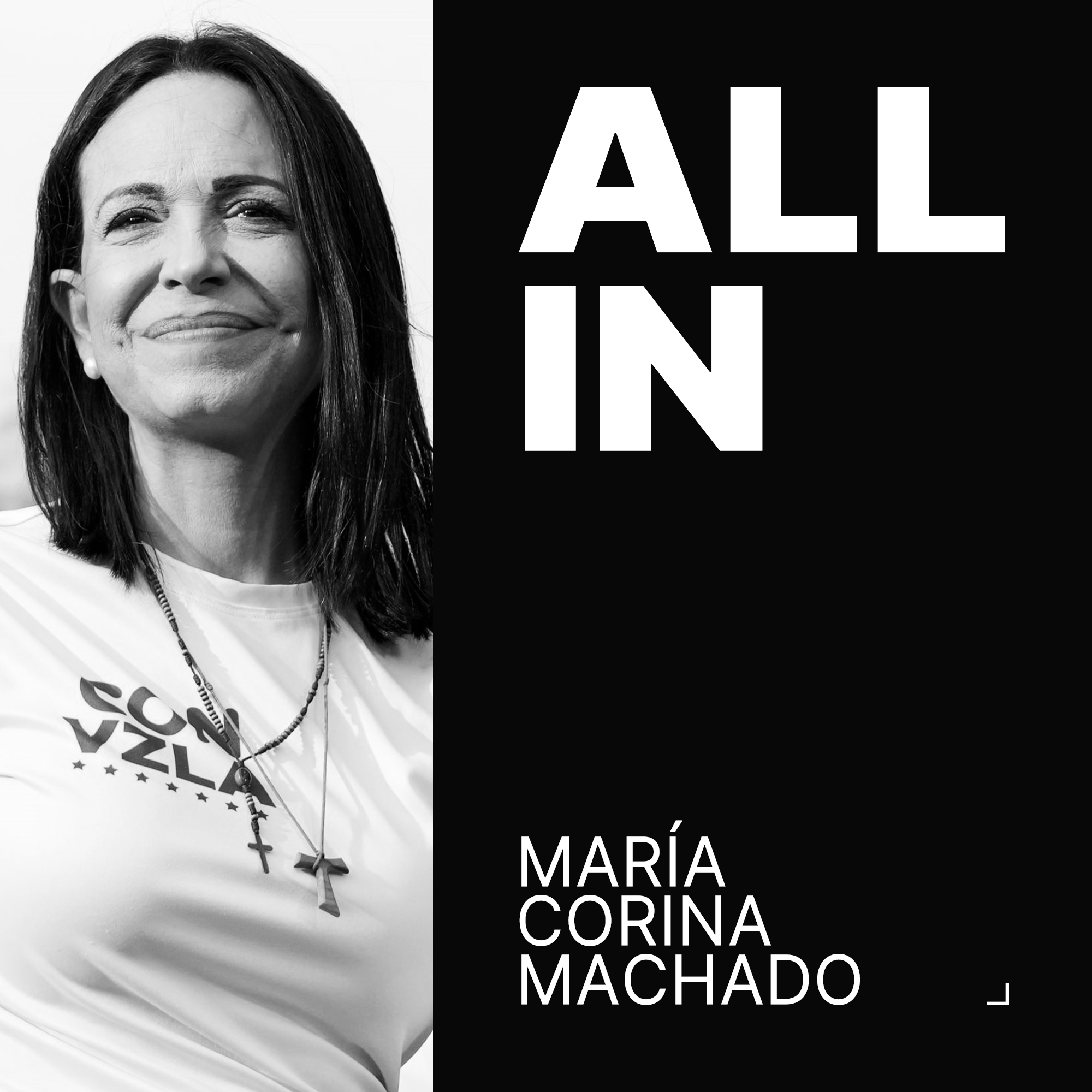
The Trump administration is depicted as ignoring Venezuela's legitimately elected opposition leader and instead choosing to work with the former vice president. This suggests a strategy prioritizing controllable stability with a regime figure over supporting a democratically elected but potentially less predictable leader.
The U.S. strategy appears to be maintaining a weakened Chavista regime to ensure stability and access to oil, effectively turning Venezuela into a resource colony without genuine political change for its people.

Rather than pleading for a vote, Venezuelan opposition leader Maria Machado argues that *postponing* elections is the riskier path for the country. She contends that delaying a vote could cause public impatience to spill over into non-civic channels, reframing elections as a necessary mechanism to ensure stability.
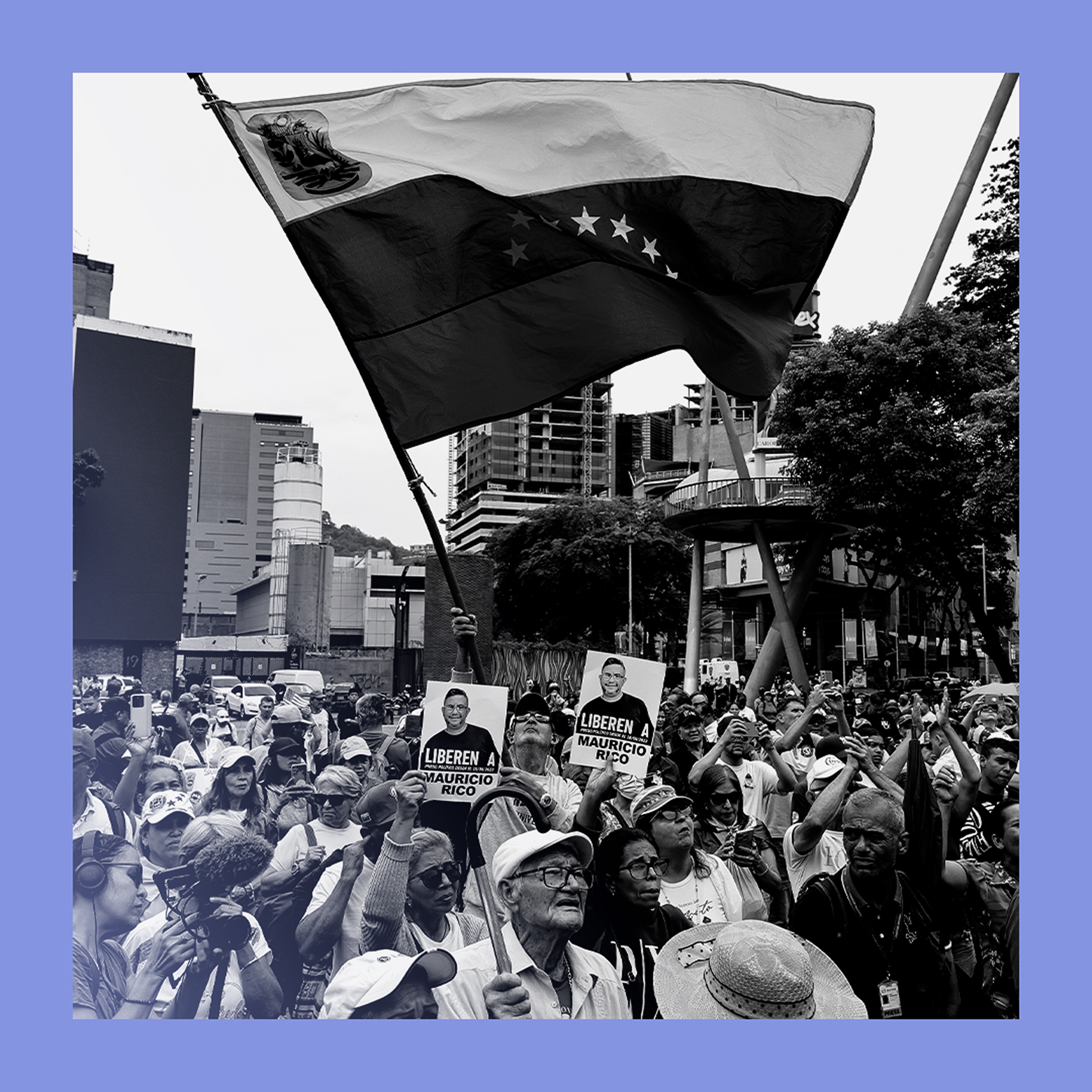
Polling reveals a paradox in Venezuela: high approval for the Trump administration coexists with overwhelming support for opposition leader Maria Corina Machado. This is in direct conflict with Trump's backing of Maduro's former VP, creating a tense dynamic where US policy is misaligned with the clear democratic will of the people.
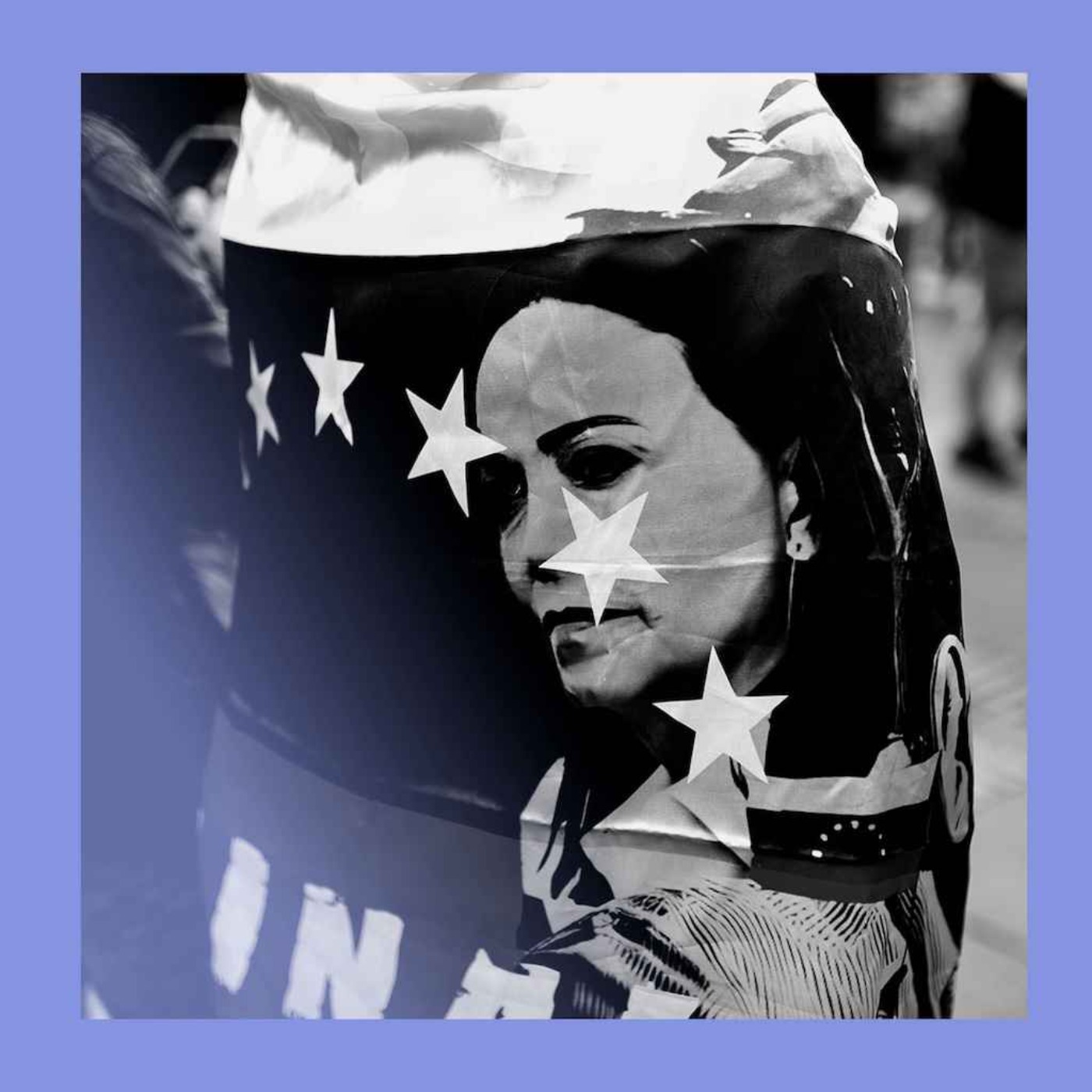
While the Trump administration backs Delcy Rodriguez for perceived stability, polling shows Venezuelans overwhelmingly demand new elections within a year. This clash between the US focus on a managed transition and the populace's desire for immediate democracy creates a high-stakes environment where ignoring the public will could ironically lead to more instability.
Despite rhetoric supporting protesters in Iran and Venezuela, the Trump administration's actions suggest a preference for replacing existing leaders with more compliant strongmen. In Venezuela, this meant dealing with Maduro's VP, indicating a pragmatic focus on control and stability over messy, long-term nation-building.

The widespread expectation for elections in Venezuela is not rooted in domestic institutional strength, but in faith in US political figures like Donald Trump and Marco Rubio to apply pressure. This reliance on external actors, combined with hope in a single leader, Maria Machado, creates a fragile foundation for a sustainable democratic transition.
The Trump administration's intervention in Venezuela is overtly focused on securing oil to lower global prices, rather than promoting human rights. The plan involves seizing and selling Venezuelan oil with the president personally controlling the proceeds in what critics are calling "high tech piracy."