Get your free personalized podcast brief
We scan new podcasts and send you the top 5 insights daily.
Rather than pleading for a vote, Venezuelan opposition leader Maria Machado argues that *postponing* elections is the riskier path for the country. She contends that delaying a vote could cause public impatience to spill over into non-civic channels, reframing elections as a necessary mechanism to ensure stability.
Related Insights
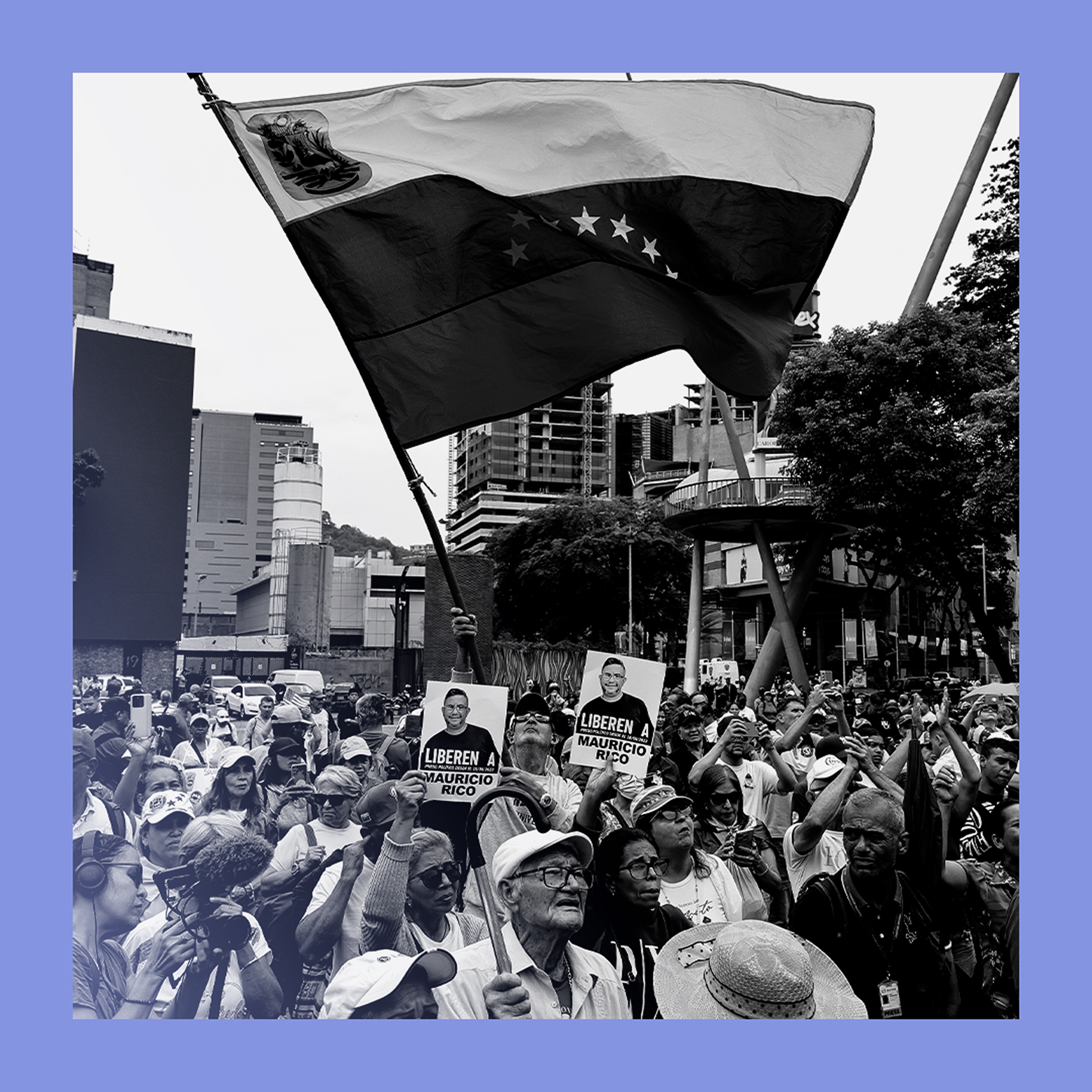
Despite growing public demand for elections in Venezuela, the new leadership is playing for time by insisting on a 'big agreement' covering economic and social issues first. This positions economic stability as a prerequisite for democracy, creating a recipe for indefinite procrastination on ceding political power.
Given the unreliability of polling, markets will wait for tangible results before reacting. The composition of congress will be the first concrete signal, with a divided or right-leaning legislature seen as a positive check on executive power. This could trigger currency rallies well before the final presidential outcome is known.

The Trump administration is depicted as ignoring Venezuela's legitimately elected opposition leader and instead choosing to work with the former vice president. This suggests a strategy prioritizing controllable stability with a regime figure over supporting a democratically elected but potentially less predictable leader.
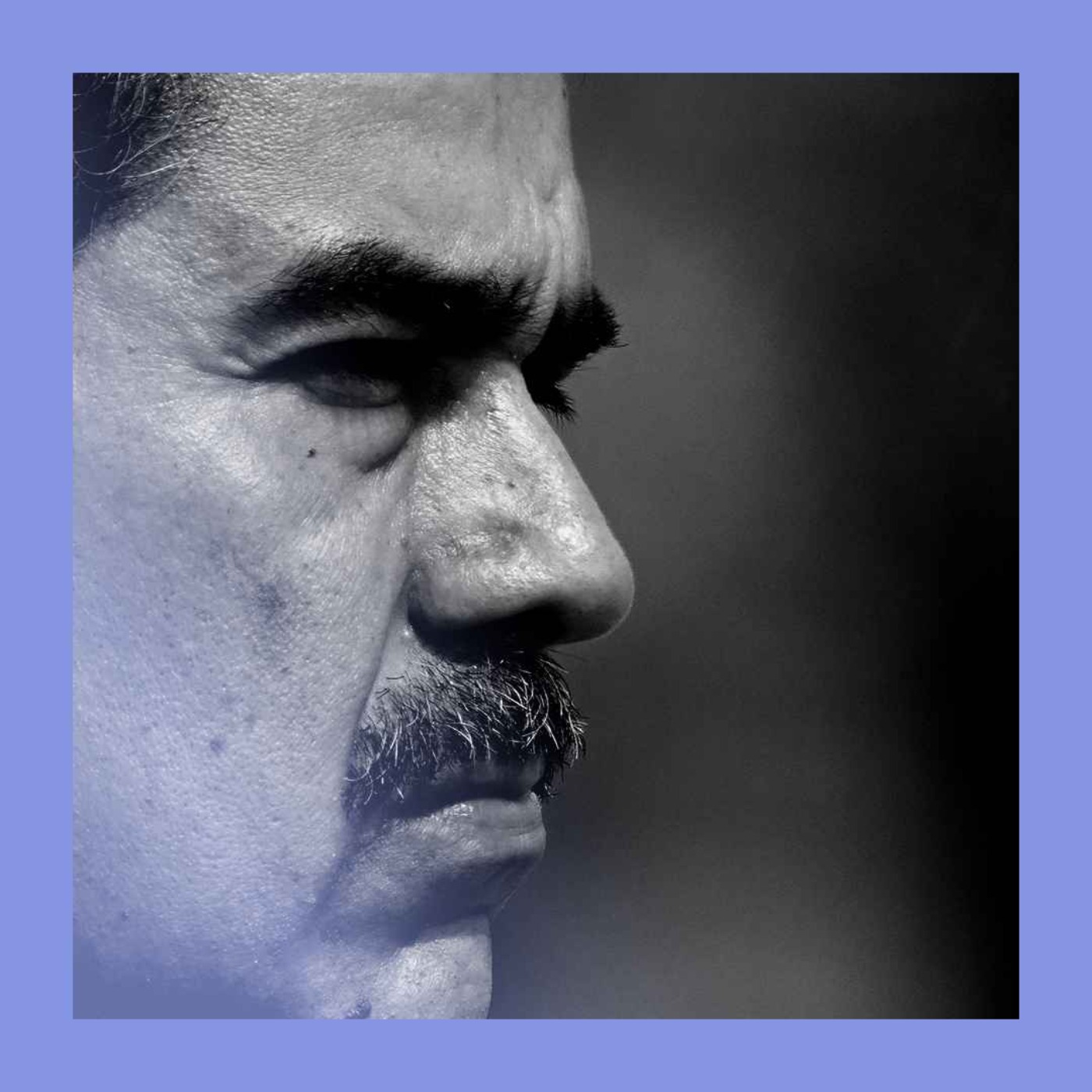
Contrary to perceptions of a deeply divided country, Ricardo Hausmann argues Venezuela has a massive political majority unified for change. He cites recent election results where the opposition won 70-30 even in military bases, framing the conflict as a small, repressive clique versus a united populace, unlike a fractured state like Iraq.

Venezuela's remaining leadership can adopt a strategy of "playing for time." By appearing cooperative while delaying substantive changes, they can wait for events like the US midterms to increase domestic political pressure on the administration, making sustained intervention unpopular and difficult to maintain. The weaker state's best defense is the superpower's internal clock.
Polling reveals a paradox in Venezuela: high approval for the Trump administration coexists with overwhelming support for opposition leader Maria Corina Machado. This is in direct conflict with Trump's backing of Maduro's former VP, creating a tense dynamic where US policy is misaligned with the clear democratic will of the people.
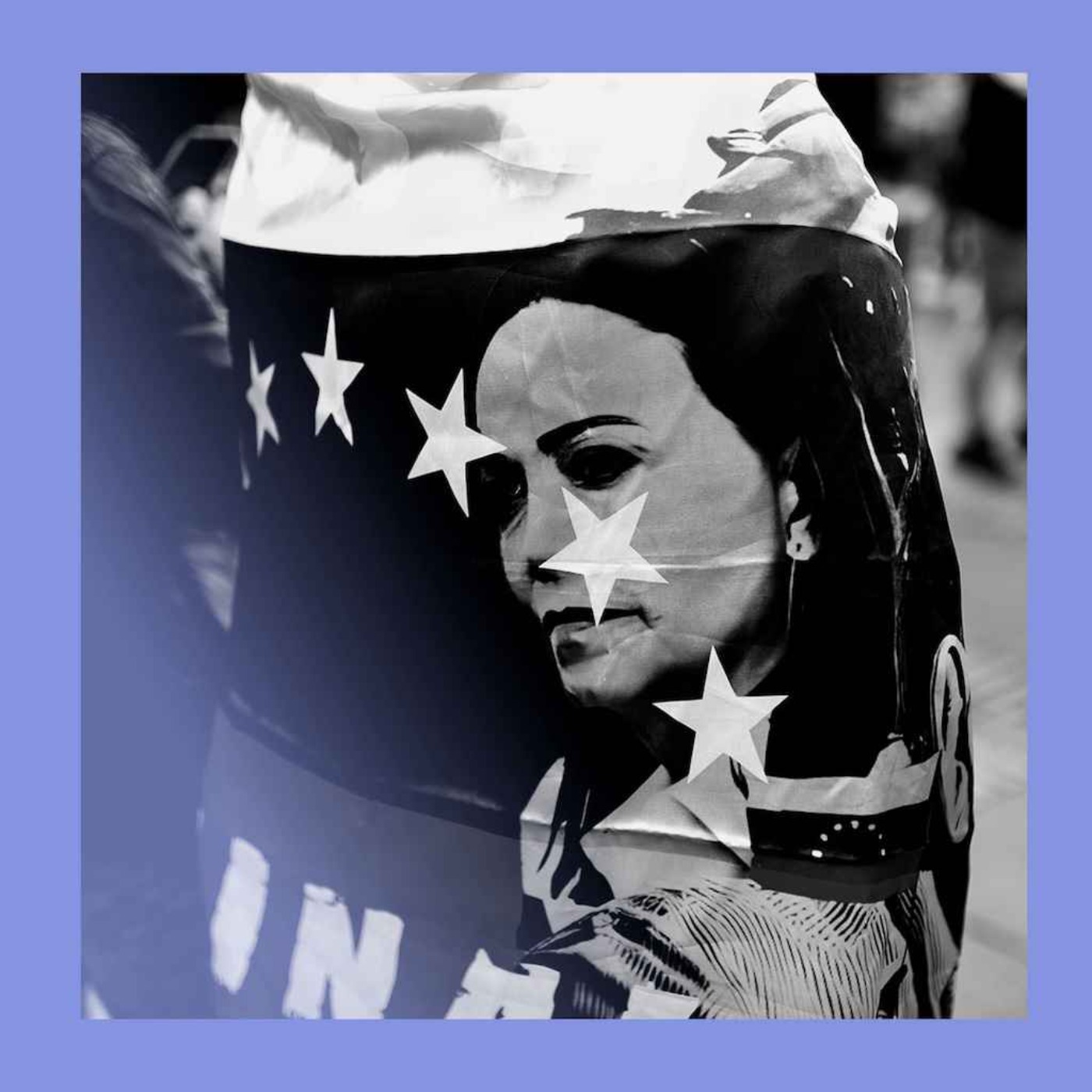
While the Trump administration backs Delcy Rodriguez for perceived stability, polling shows Venezuelans overwhelmingly demand new elections within a year. This clash between the US focus on a managed transition and the populace's desire for immediate democracy creates a high-stakes environment where ignoring the public will could ironically lead to more instability.
The US raid seizing Nicolás Maduro created a striking feeling of optimism and reduced fear in Venezuela. Citizens began attending opposition rallies openly, despite Maduro's deputy and the broader Chavismo movement remaining in power. This highlights the immense symbolic power of removing a dictator.
Maria Corina Machado describes her generation as one that held politics in contempt and took democracy for granted. This widespread apathy created a power vacuum that allowed Hugo Chavez to rise, teaching a harsh lesson that freedom requires constant and active civic engagement to be preserved.
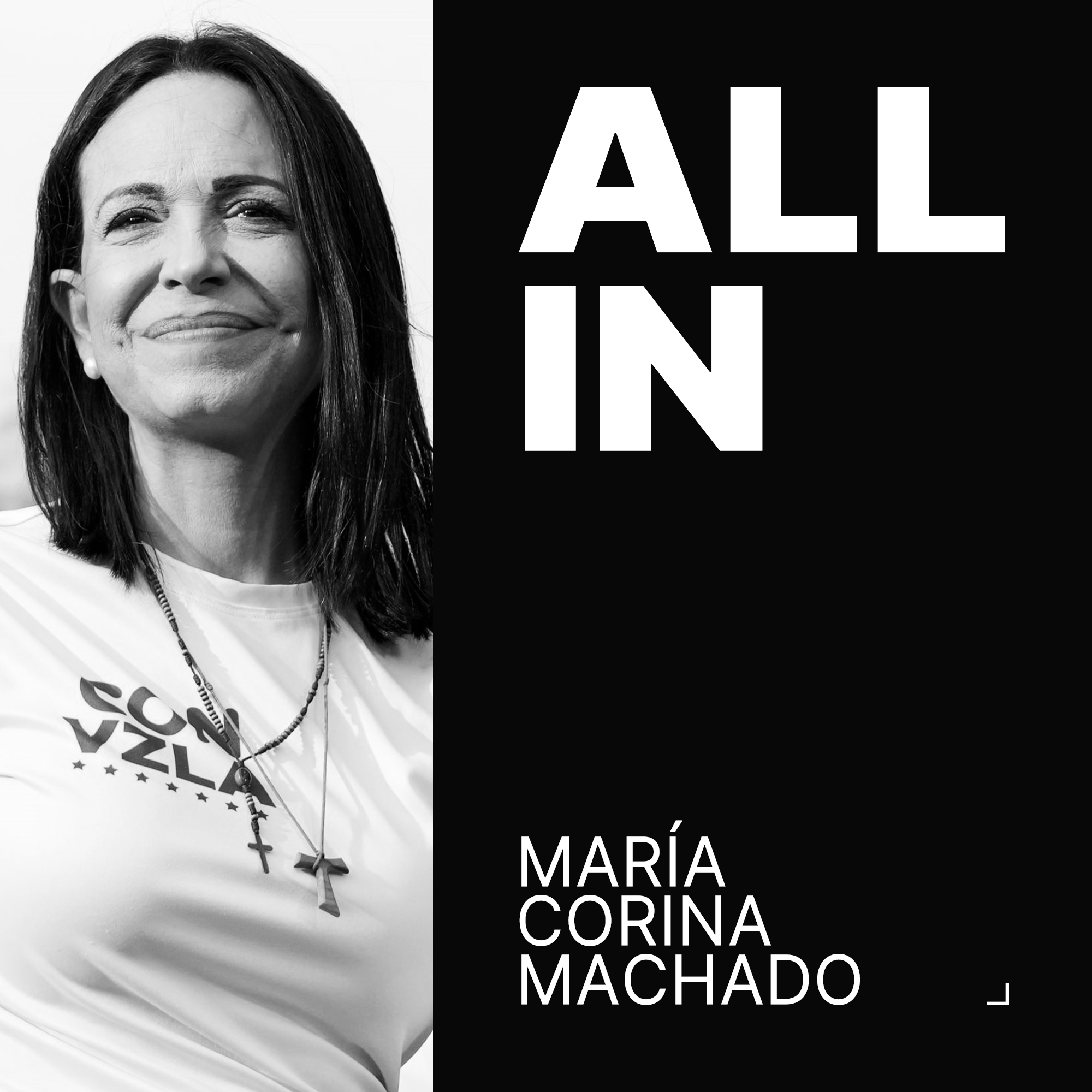
The widespread expectation for elections in Venezuela is not rooted in domestic institutional strength, but in faith in US political figures like Donald Trump and Marco Rubio to apply pressure. This reliance on external actors, combined with hope in a single leader, Maria Machado, creates a fragile foundation for a sustainable democratic transition.